Trends In Field Testing Packaging: Market Insights, Innovations & FAQs | Bioleader® Sustainable Packaging

Actionable coverage of field testing packaging: eco-friendly, biodegradable, compostable materials, performance data, and compliance under EN13432 & ASTM D6400. Includes BPI/TÜV references and Food-Contact Tested guidance for safe deployment. Buyer-focused: manufacturer insights, bulk/wholesale buying playbooks, OEM/ODM customization tips, full size range selection.
field testing packaging — Quick Summary
  • Items displayed (articles): 12
  • Last updated: 2025-09-18
  • Includes test data, compliance guides, buyer FAQs, and real-world use cases.

Editor’s Picks: Top Field Testing Packaging Guides 2026

FAQ of Bioleader's Eco-friendly Disposable Tableware

1. What are disposable bagasse food trays made of?

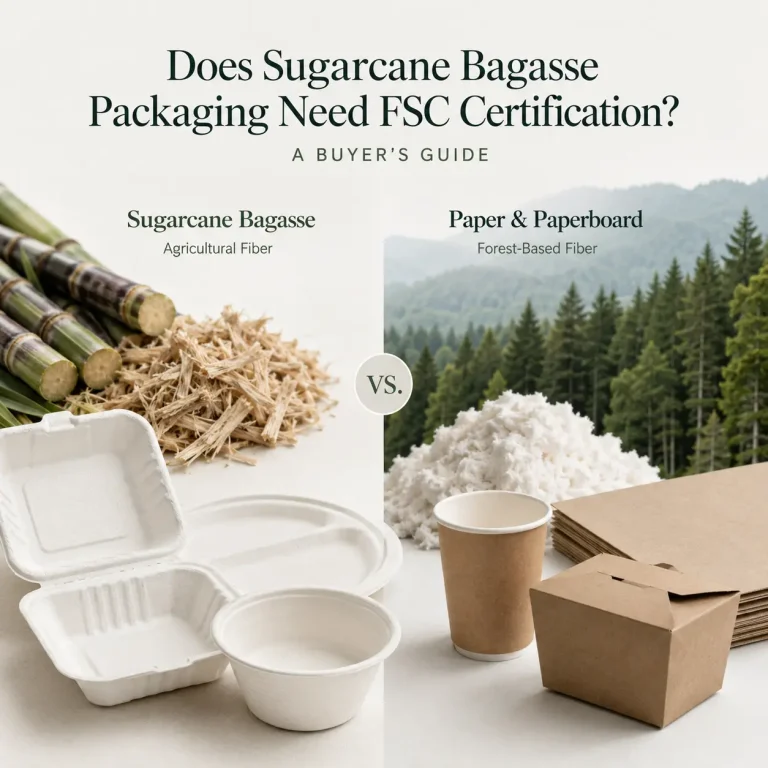
They are made from sugarcane bagasse—the fibrous byproduct left after extracting juice from sugarcane. This renewable material is molded into durable trays that are compostable, biodegradable, and plastic-free.

4. Can I order eco friendly trays with lids directly from a wholesale factory?

Yes. Many factories—especially in China, India, and Southeast Asia—offer bulk wholesale options with OEM/ODM services. This includes custom branding, embossed logos, and private label packaging for large-volume buyers.

Eco-Friendly, Compostable, and Biodegradable

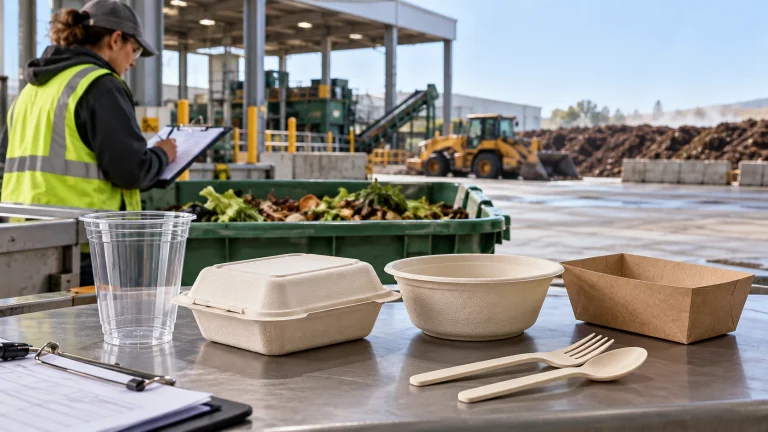
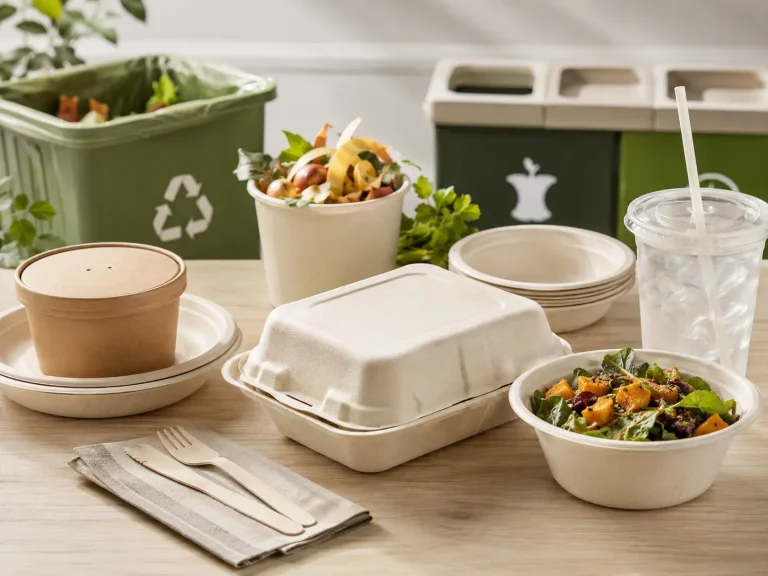
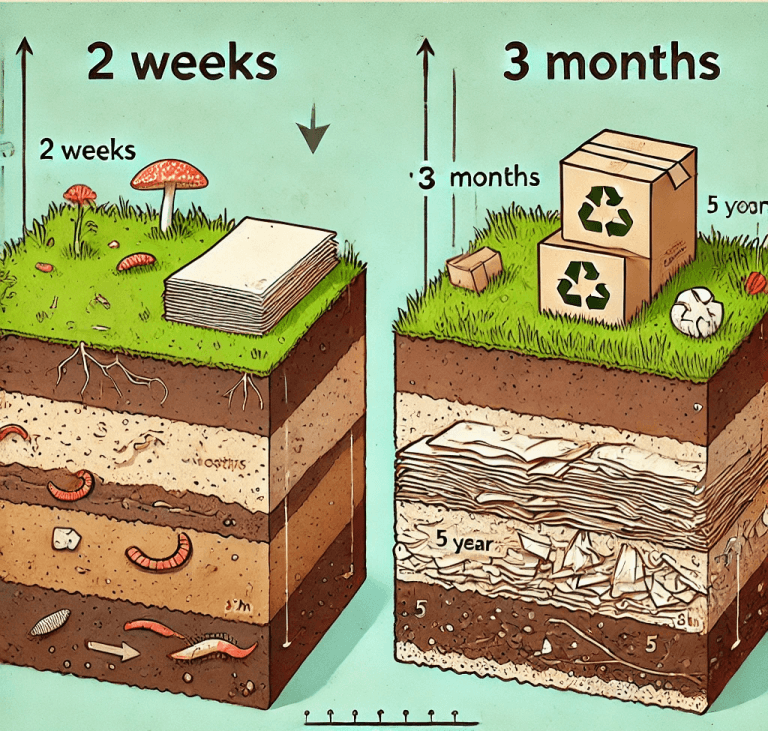
Our molded pulp trays are fully compostable and biodegradable. They naturally break down within a few months, supporting a circular economy and reducing landfill burden — field testing packaging. This makes our sugarcane pulp trays an excellent choice for eco-conscious consumers and businesses looking to adopt sustainable practices.

Relationship to EN and ISO

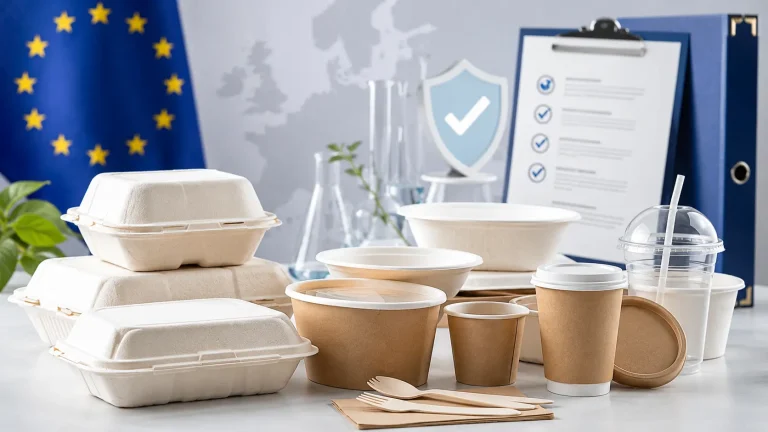
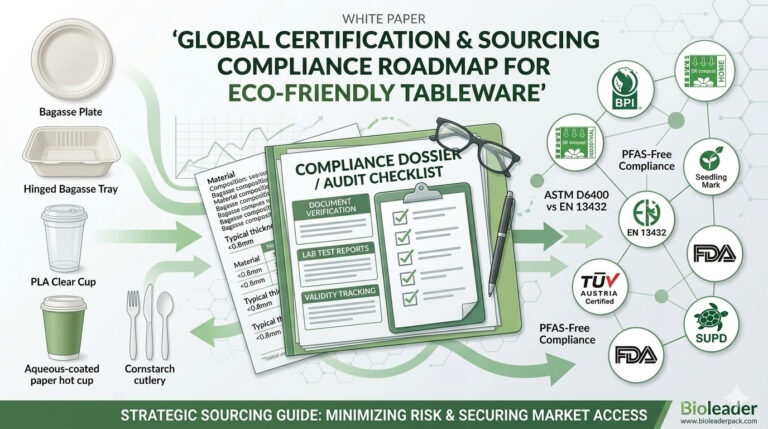
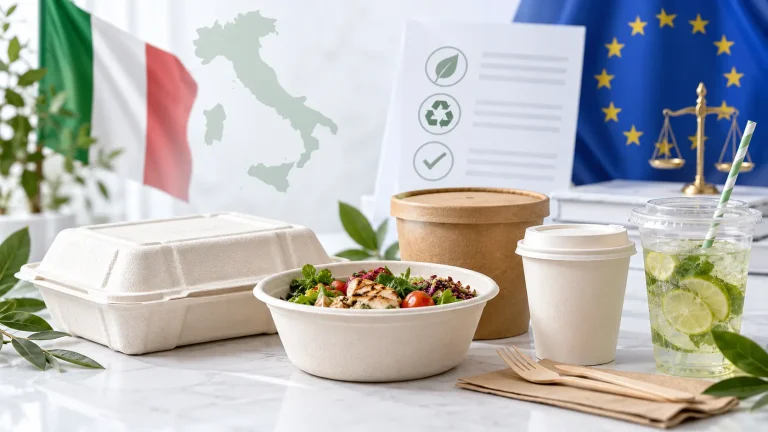
EN 13432 is widely recognized in the EU and includes requirements on heavy metals and plant growth/ecotoxicity that many buyers view as stricter on environmental safety — field testing packaging. ISO 17088 provides an international framework that helps multinational buyers align specifications across regions. Practical takeaway for procurement: treat ASTM, EN, and ISO as complementary lenses. Use ASTM for North American acceptance, rely on EN for eco-toxicity and EU alignment, and map both to ISO where cross-regional harmonization is required , field testing packaging.

Table 1: Lab vs. Field Composting Performance (illustrative ranges)

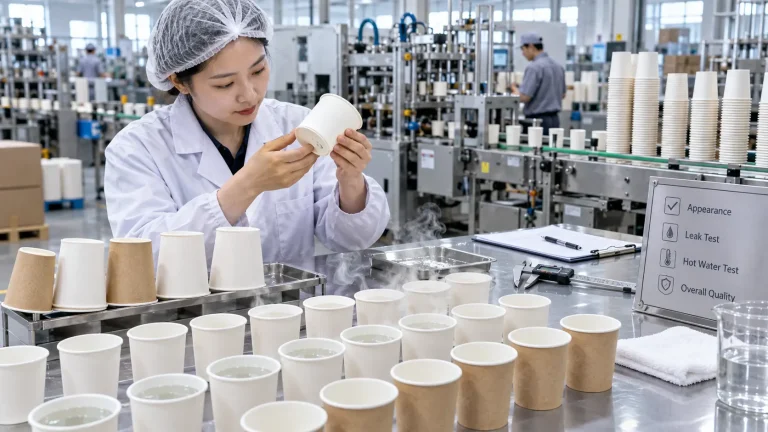
Material / Format Lab (ASTM D6400/D6868) – Disintegration Window Field (Industrial) – Observed Window Operational Notes Bagasse clamshells & bowls ~90 days 90–120 days Reliable if not heavily coated; fragments screen cleanly PLA cold cups ~90 days 120–150 days Performs better in consistently thermophilic piles; nesting slows wetting Cornstarch cutlery ~90 days 120–160 days High stiffness slows disintegration; works if shred/chip pre-processing exists Kraft bowls with thin compostable lining ~90 days 120+ days (variable) Outcome depends on lining chemistry and thickness; edges and laminate seams are slow points Actionable takeaway: When evaluating SKUs, consider wall thickness, nesting behavior, and coating composition alongside the base material. The difference between passing and failing in the field can be as simple as adjusting a lining thickness or vent pattern. Buyer’s Dual-Layer Compliance Model Leading procurement teams now adopt a layered approach that treats lab validation and field validation as complementary risk controls.

Related Insights

🚀Ready to Go Green and Choose ?

Join the global movement toward zero-waste packaging.


Bioleader® offers:

  • 📦 Bulk order support & fast delivery

  • ✍️ Custom branding and OEM solutions

  • 🌍 Worldwide eco-packaging compliance

Get the Catalogue Products List  & Contact Us Now! 👉

Contact us Below

Click or drag files to this area to upload.You can upload up to 5 files.
The more details you share, the faster and more accurate our quotation will be.