​ Eco-friendly Food Containers Vs Alternatives: Cost, Performance, Sustainability | Bioleader® Guides

Actionable coverage of ​ eco-friendly food containers: eco-friendly, biodegradable, compostable materials, performance data, and compliance under EN13432 & ASTM D6400. Includes BPI/TÜV references and Food-Contact Tested guidance for safe deployment. Buyer-focused: manufacturer insights, bulk/wholesale buying playbooks, OEM/ODM customization tips, full size range selection.
​ eco-friendly food containers — Quick Summary
  • Items displayed (articles): 12
  • Last updated: 2025-03-07
  • Includes test data, compliance guides, buyer FAQs, and real-world use cases.

Editor’s Picks: Top ​ Eco-friendly Food Containers Guides 2026

FAQ of Bioleader's Eco-friendly Disposable Tableware

Why Use Paper Pulp?

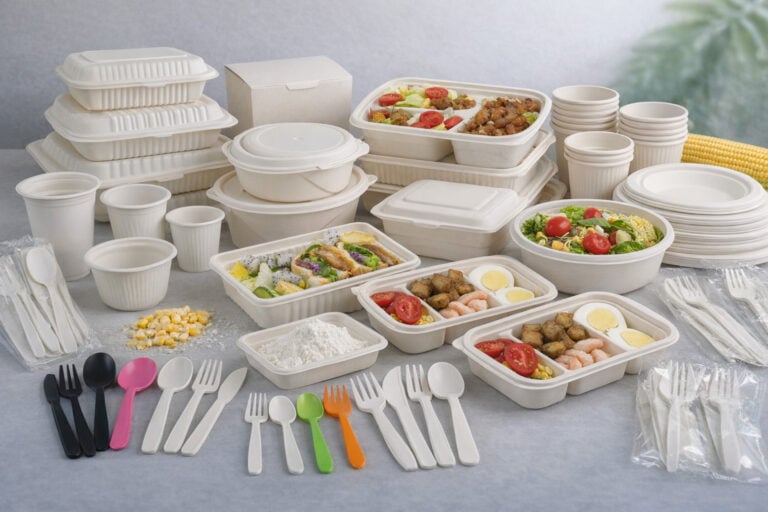
Environmentally Friendly: Paper Pulp can easily cause no harm to the environment since it’s sourced from sustainable sources and has natural degrading properties. Completely Biodegradable: Unlike traditional plastic or styrofoam, the biodegradable disposable bowls will naturally decay, thereby limiting the amount of waste that would’ve filled landfills. Safe for Food and Non-Toxic: These bowls cut out dangerous substances such as BPA and PFAS, which makes sure whatever food is being served in the bowl is free from contamination and is safe for consumption. The Production Process: Paper Pulp Moulding Technology Our biodegradable and organic bowls are made through a modern, eco-friendly method called paper pulp molding , ​ eco-friendly food containers.

2. Are compostable food trays microwave-safe?

Yes, most compostable food trays made from bagasse or sugarcane pulp are microwave-safe. They can safely withstand typical microwave heating conditions without releasing harmful substances or losing structural integrity.

PFAS-Free and BPA-Free

We prioritize safety by ensuring our molded pulp trays are PFAS-free and BPA-free , ​ eco-friendly food containers. Unlike many traditional food packaging materials that contain harmful chemicals, our trays offer peace of mind and meet rigorous health and safety standards. This makes them a safer option for direct food contact.

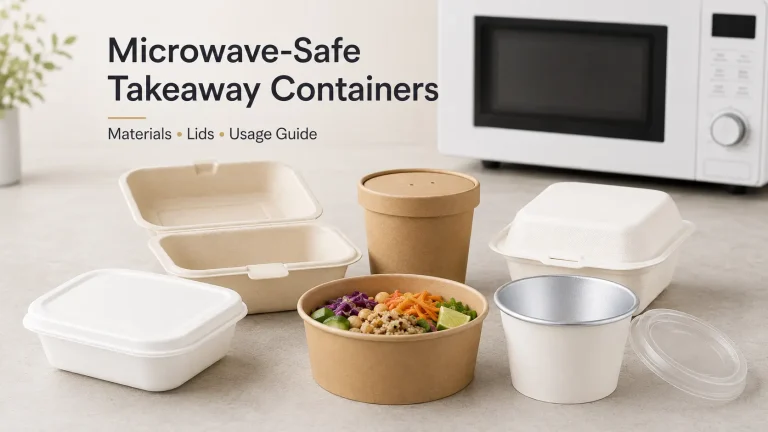
What materials are safe for microwaveable to-go containers?

Microwave-safe containers are typically made from sugarcane bagasse, cornstarch, kraft paper with food-safe linings, or certified CPLA/PLA bioplastics.

Do microwaveable containers release harmful chemicals?

Certified food-grade microwave-safe containers do not release harmful chemicals — ​ eco-friendly food containers. Avoid using plastic containers not labeled microwave-safe to prevent chemical leaching.

Related Insights

🚀Ready to Go Green and Choose ?

Join the global movement toward zero-waste packaging.


Bioleader® offers:

  • 📦 Bulk order support & fast delivery

  • ✍️ Custom branding and OEM solutions

  • 🌍 Worldwide eco-packaging compliance

Get the Catalogue Products List  & Contact Us Now! 👉

Contact us Below

Click or drag files to this area to upload.You can upload up to 5 files.
The more details you share, the faster and more accurate our quotation will be.