Top Use Cases For Biodegradable Packaging Report | Bioleader® Insights

Actionable coverage of biodegradable packaging report: eco-friendly, biodegradable, compostable materials, performance data, and compliance under EN13432 & ASTM D6400. Includes BPI/TÜV references and Food-Contact Tested guidance for safe deployment. Buyer-focused: manufacturer insights, bulk/wholesale buying playbooks, OEM/ODM customization tips, full size range selection.
biodegradable packaging report — Quick Summary
  • Items displayed (articles): 12
  • Last updated: 2025-09-30
  • Includes test data, compliance guides, buyer FAQs, and real-world use cases.

Editor’s Picks: Top Biodegradable Packaging Report Guides 2026

FAQ of Bioleader's Eco-friendly Disposable Tableware

Why Use Paper Pulp?

Environmentally Friendly: Paper Pulp can easily cause no harm to the environment since it’s sourced from sustainable sources and has natural degrading properties. Completely Biodegradable: Unlike traditional plastic or styrofoam, the biodegradable disposable bowls will naturally decay, thereby limiting the amount of waste that would’ve filled landfills. Safe for Food and Non-Toxic: These bowls cut out dangerous substances such as BPA and PFAS, which makes sure whatever food is being served in the bowl is free from contamination and is safe for consumption. The Production Process: Paper Pulp Moulding Technology Our biodegradable and organic bowls are made through a modern, eco-friendly method called paper pulp molding.

Why Customers Love Sugarcane Fiber Bowls:

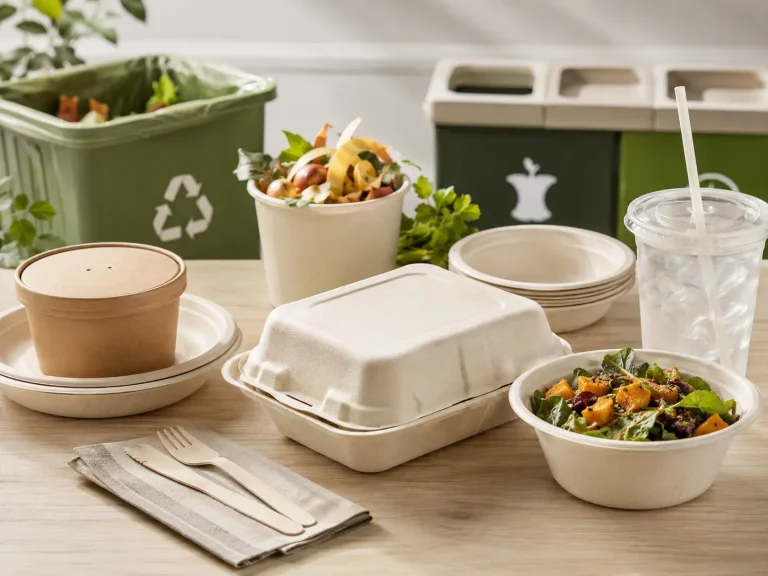
Sustainability at the Core: An increasing number of customers are turning to bagasse bowls since it is the best eco-friendly option for low-effort everyday life such as normal feeding, conducting parties, and even for takeout. Practical for a Wide Range of Foods: Not one food is left out, these biodegradable bowls work well with all types of food! Be it, salads, soup or even takeout, experience excellent performance. A Safe Choice: With the worry about food containers that might be laden with harmful chemicals, sugarcane bowls become the better option for these consumers as the containers are free from such ingredients.

1. What are disposable food trays with lids typically used for?

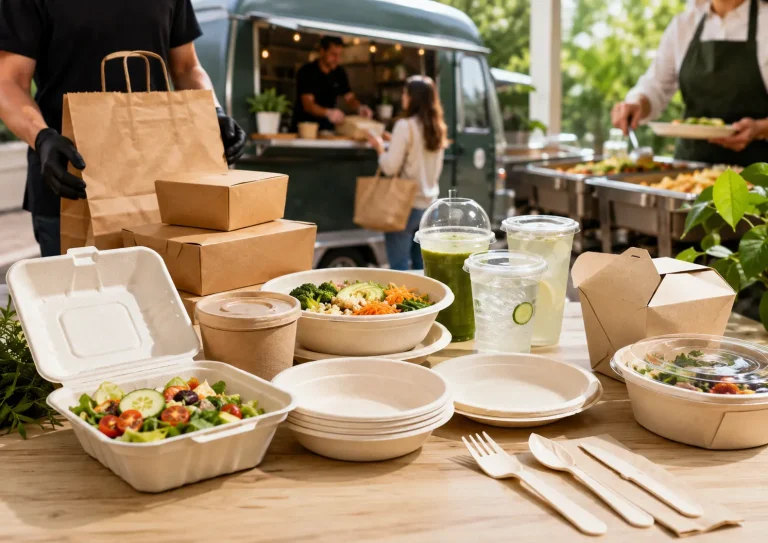
They are widely used in foodservice settings such as takeout, meal prep, catering, and airline meals , biodegradable packaging report. The trays offer secure food separation and freshness, making them ideal for combo meals, bento boxes, and heat-and-serve packaging.

Short term (0–6 months) — Secure the “license to sell.”

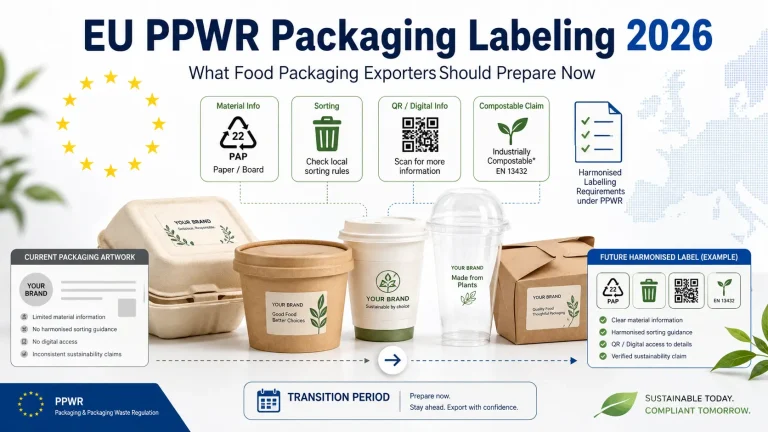
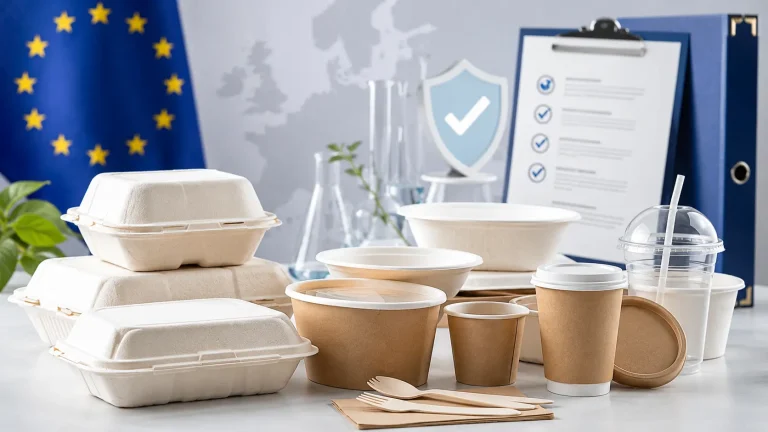
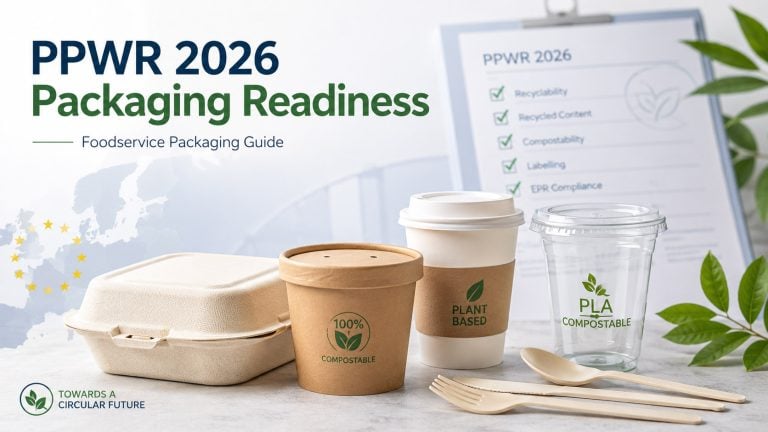
Publish a PFAS-free evidence pack (third-party tests + supplier attestations) and align claim language to avoid mislabeling risks (e.g., “home compostable,” “recyclable”) — biodegradable packaging report. Complete EU PPWR gap assessments (prevention, recyclability, reuse, labeling) and onboard EPR where required (e.g., California SB 54 producer registration/reporting). Standardize a compliance annex for every bid: EN 13432 / ASTM D6400 / BPI / TÜV proofs, migration tests, batch traceability, use instructions, end-of-life guidance.

Long term (18–36 months) — Turn compliance into a moat.

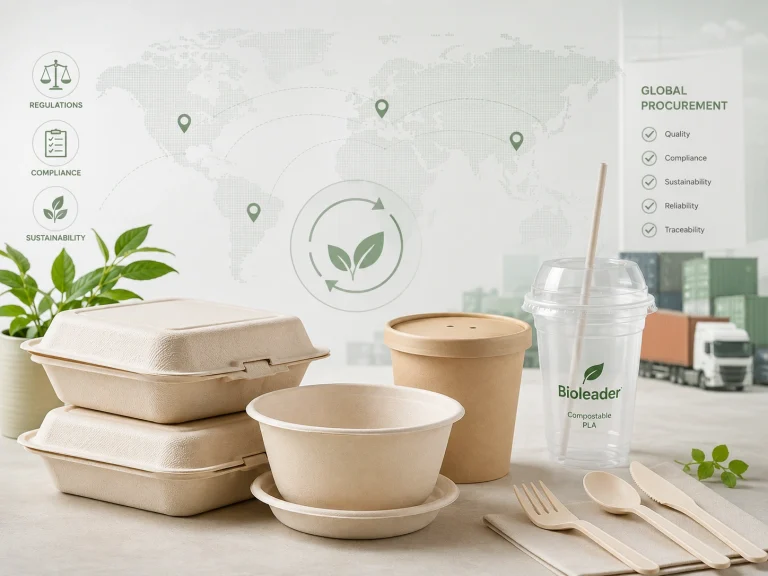
Build batch-level traceability and change control to withstand customer and customs audits. Design-to-compliance for PPWR timelines (recyclability/readiness for reuse/recycled content) to minimize retrofit risk , biodegradable packaging report. Co-invest in urban organics pilots (brand + composter + municipality) where access is high, locking in ESG and cost advantages.

Related Insights

🚀Ready to Go Green and Choose ?

Join the global movement toward zero-waste packaging.


Bioleader® offers:

  • 📦 Bulk order support & fast delivery

  • ✍️ Custom branding and OEM solutions

  • 🌍 Worldwide eco-packaging compliance

Get the Catalogue Products List  & Contact Us Now! 👉

Contact us Below

Click or drag files to this area to upload.You can upload up to 5 files.
The more details you share, the faster and more accurate our quotation will be.