1. Introduction: The Growing Demand for Sustainable Packaging and the Role of Water-Based Coatings
In recent years, the demand for sustainable packaging has been rapidly increasing due to mounting environmental concerns. As single-use plastics continue to pollute our oceans and ecosystems, governments around the world have introduced stricter environmental regulations to curb plastic waste. The packaging industry, in particular, faces the challenge of meeting these regulations while maintaining functionality and consumer appeal.
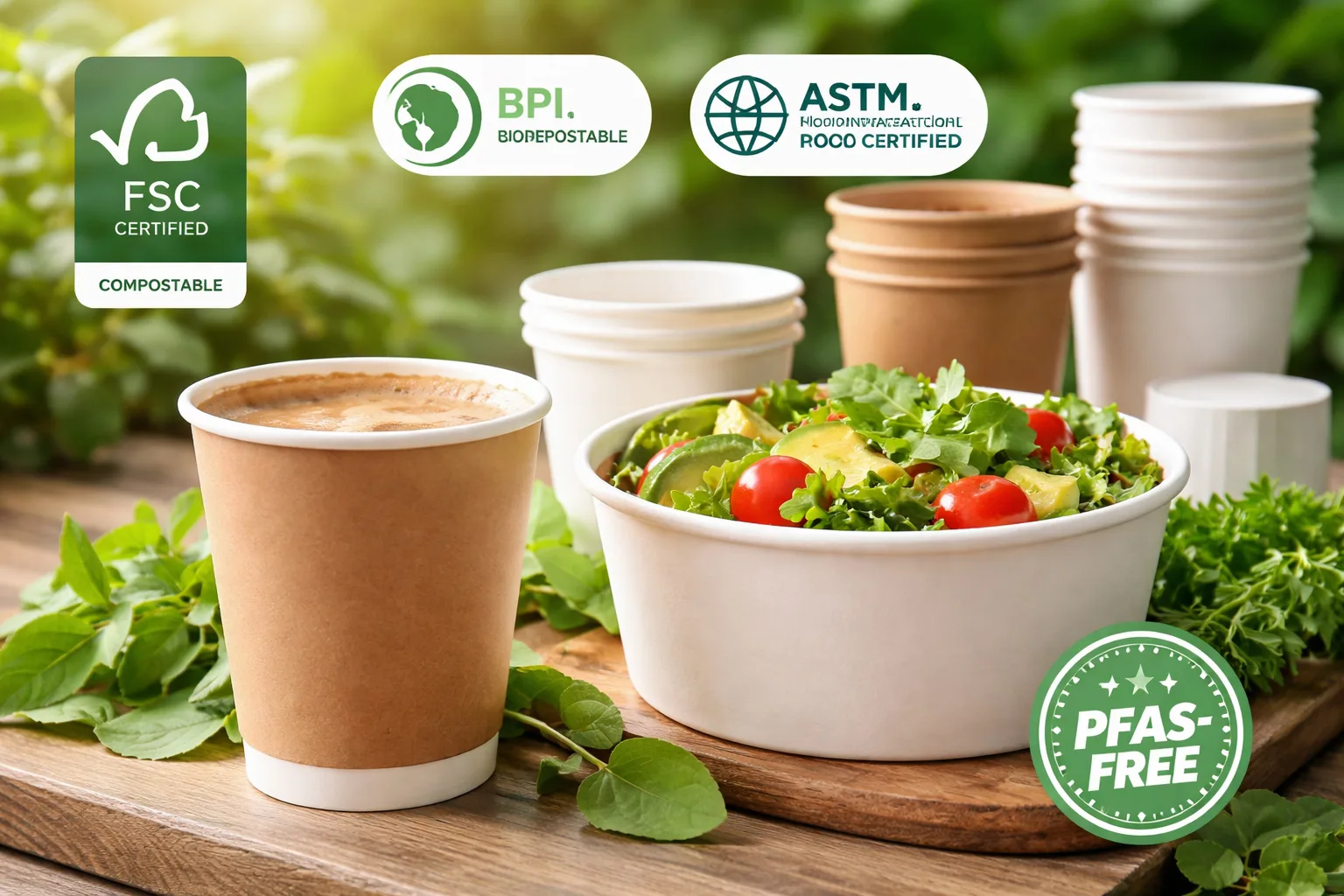
Water-based coatings have emerged as a key solution in the drive for more sustainable packaging. These coatings replace traditional plastic-based coatings with eco-friendly alternatives that provide the same moisture, oil, and grease resistance. In addition, they are free from harmful chemicals like PFAS (per- and polyfluoroalkyl substances) and BPA (Bisphenol A). By offering biodegradable, compostable, and non-toxic properties, water-based coatings help manufacturers meet both environmental regulations and growing consumer demand for greener packaging solutions.
This blog explores how water-based coatings help packaging manufacturers comply with critical environmental regulations and certifications, ensuring that their products are environmentally responsible and meet industry standards. We will focus on various certifications such as EN13432, ASTM D6400, BPI, ISO 14001, and Carbon Trust that are essential for validating eco-friendly packaging solutions.
2. Extended Producer Responsibility (EPR): Understanding the Regulatory Landscape and Water-Based Coatings
2.1 What is EPR and Its Impact on Packaging Manufacturers?
Extended Producer Responsibility (EPR) is an environmental policy approach that holds manufacturers responsible for the entire lifecycle of their products, particularly their packaging. The principle behind EPR is that producers are responsible for the collection, recycling, and disposal of the packaging material once the product reaches the end of its life. This policy has gained global traction, especially in the European Union and North America, as a means to reduce waste and promote recycling.
EPR regulations force companies to rethink their packaging designs, focusing on recyclability, compostability, and the environmental impact of their materials. Packaging manufacturers, therefore, need to adopt packaging solutions that comply with EPR standards, ensuring that their products can be recycled or safely composted.
2.2 How Water-Based Coatings Help Meet EPR Requirements
Water-based coatings provide an effective solution for packaging manufacturers seeking to comply with EPR regulations. These coatings are biodegradable and compostable, meaning they break down naturally in the environment without leaving harmful residues. Unlike plastic coatings, which are difficult to recycle and often contaminate recycling streams, water-based coatings ensure that paper-based packaging can be more easily processed in recycling or composting facilities.
By adopting water-based coatings, manufacturers reduce the environmental burden associated with plastic packaging. These coatings not only align with EPR requirements but also help brands reduce their overall environmental footprint by ensuring that their packaging materials are easier to recycle and manage.
3. Key Certifications for Sustainable Packaging and How Water-Based Coatings Comply
3.1 EN13432 Certification: Compostability and Biodegradability in Packaging
| 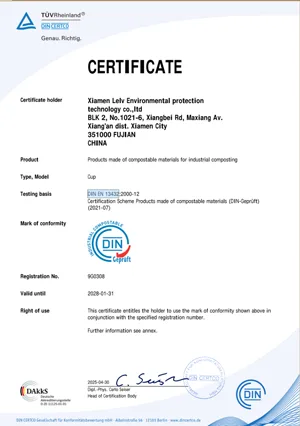 |

The EN13432 standard is a European regulation that sets the criteria for the compostability and biodegradability of packaging materials. Under EN13432, packaging materials must decompose into natural substances within a set period (typically 12 weeks) when subjected to industrial composting. The material must also meet specific criteria regarding the absence of harmful residues in the compost.
Water-based coatings are well-suited for meeting EN13432 certification requirements due to their biodegradable nature. Unlike traditional plastic coatings that are non-degradable and contaminate compost, water-based coatings break down into harmless organic compounds. This makes them an ideal choice for companies looking to meet compostability standards and reduce the environmental impact of their packaging.
To achieve EN13432 certification, manufacturers must test their products in certified composting facilities to ensure the coatings decompose properly and do not hinder the composting process. Water-based coatings, due to their environmentally friendly composition, often pass these tests, allowing brands to achieve EN13432 certification and market their products as compostable.
3.2 ASTM D6400 Certification: Ensuring Biodegradability in the U.S. Market
 |  |
In the United States, ASTM D6400 is the standard used to evaluate the compostability of plastic products, including food packaging. This standard is essential for businesses that wish to offer products that are not only biodegradable but also compliant with U.S. environmental laws and consumer expectations.
Water-based coatings are well-positioned to meet the ASTM D6400 certification because they are made from biodegradable resins and natural additives. These coatings break down efficiently in composting environments, similar to the requirements of ASTM D6400, which mandates that the material must degrade within 180 days without leaving toxic by-products. By using water-based coatings, manufacturers can produce compliant packaging that meets ASTM D6400 standards, providing a sustainable option for the U.S. market.
To achieve ASTM D6400 certification, manufacturers must demonstrate that their products biodegrade under controlled composting conditions, ensuring that the coatings are safe for the environment.
3.3 BPI Certification: A Trusted Label for Compostable Packaging

The Biodegradable Products Institute (BPI) offers certification for compostable products that meet both ASTM D6400 and EN13432 standards. BPI certification is a widely recognized and trusted label that assures consumers and businesses that a product is compostable and safe for the environment.
Water-based coatings that meet EN 13432 and ASTM D6400 requirements are eligible for BPI certification, making them an attractive option for businesses looking to differentiate their packaging as environmentally responsible. By obtaining BPI certification, brands can promote their products as truly compostable, helping them stand out in the growing market for sustainable packaging.
4. Environmental Management Certifications: Demonstrating Corporate Responsibility
4.1 ISO 14001 Environmental Management System Certification

ISO 14001 is an internationally recognized environmental management standard that helps organizations minimize their environmental impact. The certification focuses on improving environmental performance through efficient resource use, reducing waste, and complying with environmental regulations.
For companies that use water-based coatings, achieving ISO 14001 certification demonstrates a commitment to sustainability and responsible environmental management. By adopting water-based coatings, companies can reduce their use of harmful chemicals and minimize waste generated during production. This, in turn, helps companies meet the stringent requirements of ISO 14001, enhancing their reputation as environmentally responsible organizations.
4.2 Carbon Trust Certification: Reducing Carbon Footprints
The Carbon Trust certification helps businesses measure and reduce their carbon footprints, guiding how to minimize greenhouse gas emissions throughout their operations. As companies strive to reduce their environmental impact, carbon reduction initiatives have become an essential part of their sustainability efforts.
Water-based coatings contribute to carbon footprint reduction by replacing plastic coatings, which are energy-intensive to produce and often involve toxic chemicals. By switching to water-based coatings, companies can lower their carbon emissions associated with packaging production, thereby achieving Carbon Trust certification. This certification is valuable for companies that wish to showcase their commitment to reducing their carbon footprint and achieving environmental sustainability goals.
5. Sourcing Materials and Recycling: Driving a Green Supply Chain and Production Process
5.1 FSC Certification (Forest Stewardship Council)
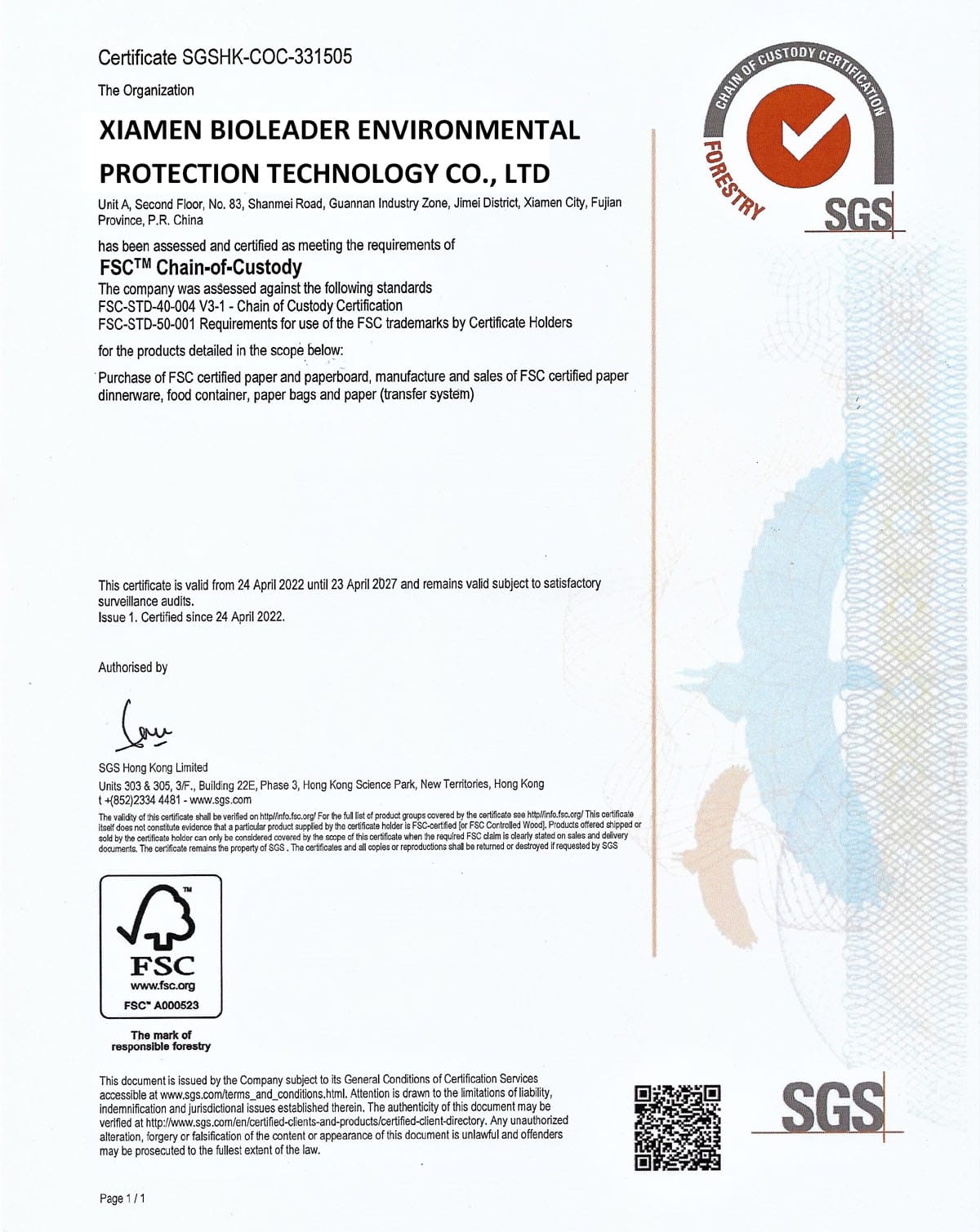
FSC Certification ensures that the wood or paper used in packaging materials comes from sustainably managed forests. The Forest Stewardship Council (FSC) is an international non-profit organization that sets standards for forest management and certifies materials sourced responsibly. When brands choose FSC-certified paper, they can ensure that their materials come from sources that do not contribute to deforestation and promote biodiversity.
Water-based coatings complement FSC-certified paper by enhancing the overall sustainability of the packaging. While FSC certification guarantees responsible sourcing, water-based coatings ensure that the packaging itself is biodegradable and free of toxic chemicals. By combining FSC-certified paper with water-based coatings, brands can elevate their sustainability credentials, improving their market appeal to eco-conscious consumers and meeting stringent environmental regulations.
Case Study: A leading European food brand adopted FSC-certified paper for its takeaway containers and incorporated water-based coatings. This combination not only met sustainability requirements but also improved the brand’s environmental image, leading to a 15% increase in sales from environmentally conscious consumers.
5.2 PFAS-Free Certification
|
|

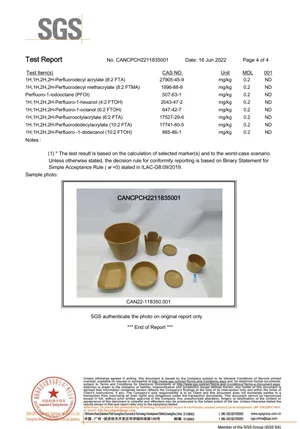
PFAS-Free Certification confirms that a product does not contain harmful per- and polyfluoroalkyl substances (PFAS), which are commonly used in traditional coatings for water and oil resistance. PFAS are persistent chemicals that do not break down in the environment and have been linked to various health problems, making their elimination from packaging materials a key concern for sustainable packaging.
Water-based coatings are ideal for achieving PFAS-Free Certification because they do not contain these harmful chemicals. Unlike plastic or fluoropolymer-based coatings, water-based coatings offer an eco-friendly, non-toxic alternative, ensuring the packaging is both safe for consumers and environmentally responsible. This makes water-based coatings an essential solution for brands seeking to eliminate harmful chemicals from their packaging and meet growing regulatory and consumer demands for PFAS-free products.
Case Study: A North American beverage company transitioned to water-based coatings for its paper cups, ensuring their products were PFAS-Free. This move not only improved the product’s safety profile but also helped the brand stay ahead of regulatory trends and cater to the increasing consumer demand for safer, more sustainable packaging.
6. Global Recycling and Sustainable Packaging Standards
6.1 Global Recycling Standard (GRS)
The Global Recycling Standard (GRS) is a certification that ensures the materials used in a product are sourced from recyclable materials and meet global standards for recycling. It is widely recognized in the industry as a measure of sustainability for products that incorporate recycled content.
Water-based coatings can support the use of recyclable materials in packaging, ensuring that brands can meet GRS certification standards. By using water-based coatings, packaging materials such as paper and cardboard retain their recyclability, as the coatings do not interfere with recycling processes. As a result, brands can use GRS-certified recycled materials while still offering a product that complies with sustainable packaging regulations.
Case Study: A major European retailer switched to water-based coatings for its packaging, which allowed them to meet GRS certification. By incorporating recycled paper and water-based coatings, the retailer was able to reduce its environmental impact while satisfying consumer demand for recycled content.
6.2 How Water-Based Coatings Support a Circular Economy
The Circular Economy is an economic system aimed at eliminating waste and the continual use of resources. The concept encourages recycling, reusing, and reducing the consumption of raw materials, creating a closed-loop system where products are reused and waste is minimized.
Water-based coatings play a crucial role in the circular economy by providing biodegradable, compostable, and recyclable packaging options. These coatings ensure that packaging materials can be easily composted or recycled without leaving toxic residues, making them ideal for businesses striving to close the loop on waste. By replacing traditional plastic coatings with water-based alternatives, companies can contribute to resource efficiency and reduce the overall environmental impact of their packaging.
Case Study: A fast-food chain transitioned to water-based coated paper packaging for its disposable containers, contributing to a more circular packaging process. The company’s packaging was both compostable and recyclable, aligning with the principles of a circular economy and significantly reducing waste.
7. Case Studies: How Brands Successfully Transition to Environmentally Compliant Packaging Solutions
7.1 European Brand Case Study
A European food brand faced increasing pressure to comply with EPR regulations and environmental standards such as EN13432 (compostability certification). The company decided to replace its plastic-coated paper packaging with water-based coatings that met EN13432 and EPR requirements.
Outcome: By adopting water-based coatings, the brand was able to reduce its packaging waste and make its products fully compostable. This transition not only helped the brand comply with strict environmental regulations but also enhanced its reputation as an environmentally responsible company. Sales in eco-conscious markets increased by 18%, highlighting the consumer preference for sustainable packaging.
7.2 North American Brand Case Study
In North America, a major beverage brand faced challenges in adhering to EPR and ASTM D6400 compostability standards. The company switched to using water-based coatings for its paper cups, which are compatible with both EPR and ASTM D6400 requirements.
Outcome: The use of water-based coatings helped the brand meet these regulatory standards, ensuring that its products were compostable and compliant with sustainability initiatives. The move also contributed to a stronger brand image and allowed the company to capitalize on the growing market demand for sustainable packaging solutions.
7.3 Other Markets Case Study
In Asia and emerging markets, many brands were still using conventional plastic coatings on their packaging. A global food brand operating in these regions transitioned to water-based coatings to align with international sustainability standards and meet local regulations on plastic packaging.
Outcome: The transition to water-based coatings helped the brand comply with both international environmental standards and local regulations. The company was able to avoid potential fines and market restrictions, while also improving its sustainability profile in emerging markets.
8. Future Outlook: How Water-Based Coatings Will Continue to Support Environmental Regulations and Certifications
8.1 The Future of EPR and Plastic Bans
EPR regulations and plastic bans are expected to become even more stringent in the coming years, with more countries and regions enforcing packaging-related waste management requirements. Water-based coatings will continue to be an essential technology for companies looking to comply with these evolving regulations.
Water-based coatings are well-positioned to adapt to the future trends in EPR and plastic bans, as they offer a biodegradable, non-toxic alternative that aligns with both environmental goals and packaging requirements. With increasing pressure on brands to reduce their environmental footprint, water-based coatings will remain a key player in sustainable packaging.
8.2 The Synergy of Water-Based Coatings and Other Eco-Technologies
The future of sustainable packaging lies in the integration of various eco-technologies. Water-based coatings can be combined with bio-based materials (such as sugarcane bagasse and cornstarch) and recyclable designs to create packaging solutions that are both sustainable and cost-effective.
The synergy between water-based coatings and other green technologies can drive the packaging industry’s transition toward a fully circular and sustainable future.
8.3 Preparing for Future Environmental Regulatory Challenges
Brands must prepare for the future regulatory landscape by adopting forward-thinking technologies like water-based coatings. These coatings not only comply with current regulations but are also adaptable to future environmental standards. Companies should invest in sustainable materials and production processes now to stay ahead of regulatory changes and consumer expectations.
9. Introducing Bioleader® Coated Paper Cups and Bowls: Sustainable Solutions for Every Occasion
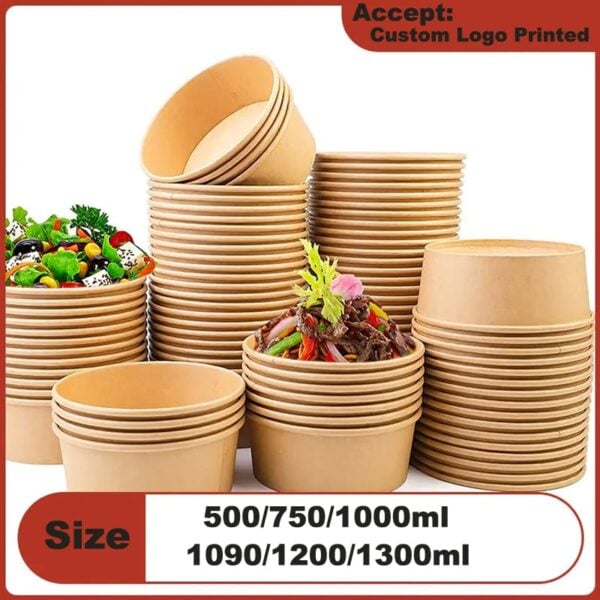
At Bioleader®, we specialize in providing eco-friendly and sustainable packaging solutions with our range of water-based coated paper cups and bowls, as well as PLA-coated paper cups and bowls. Our products are designed to meet the growing demand for environmentally responsible packaging while maintaining the performance, durability, and aesthetics needed for various foodservice and retail applications.
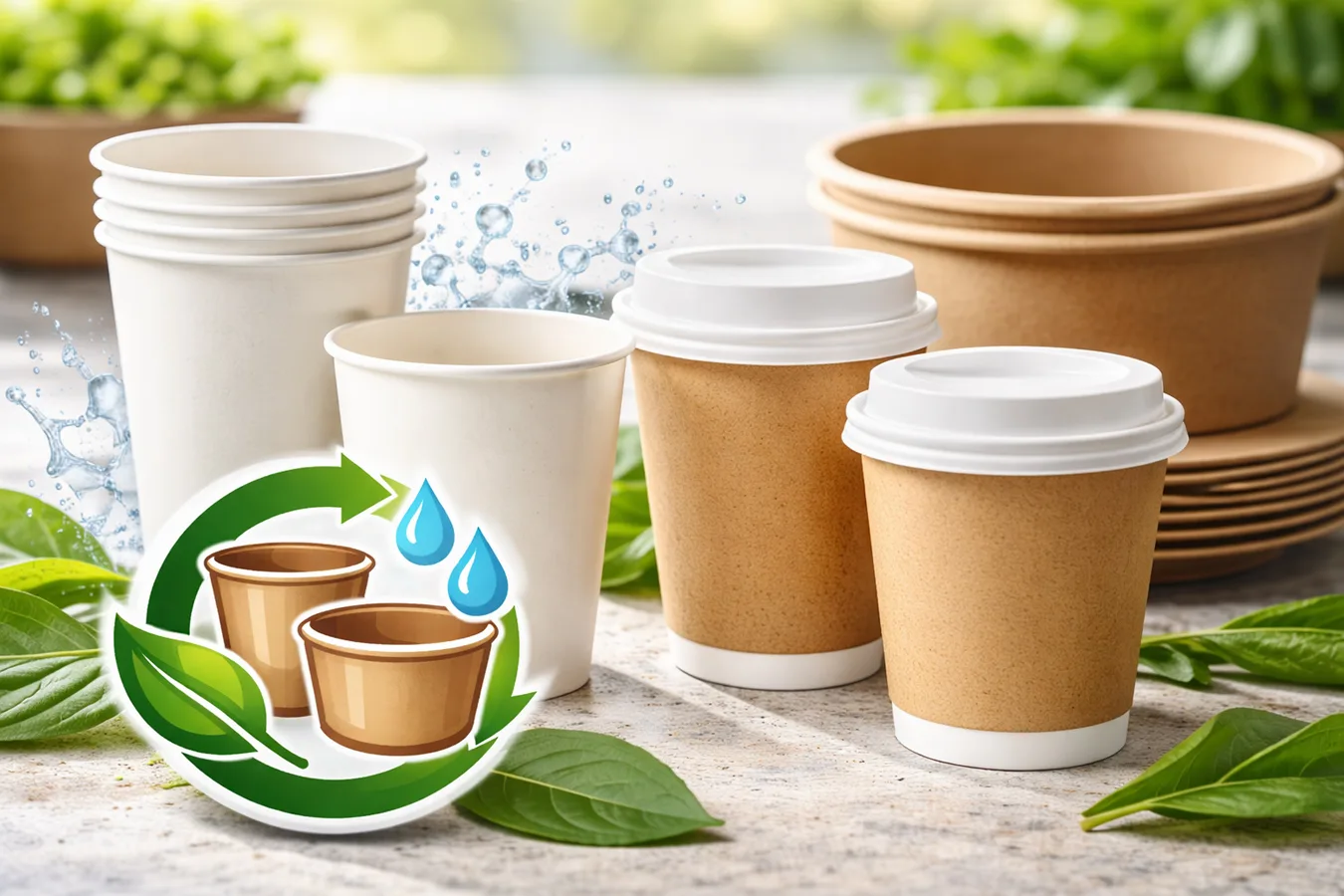
Why Choose Bioleader® Coated Paper Cups and Bowls?
Water-Based Coating: Our water-based coated paper cups and bowls are made with eco-friendly coatings that are free from harmful chemicals like PFAS and BPA. These coatings offer superior moisture, grease, and oil resistance, making them perfect for both hot and cold food and beverages.
PLA Coated: Our PLA-coated paper cups and bowls are lined with Polylactic Acid (PLA), a biodegradable plastic alternative made from renewable resources like corn starch. PLA provides excellent barrier protection, making it ideal for applications involving liquids, soups, and sauces.
Sustainability: Both our water-based coated and PLA-coated products are fully biodegradable, compostable, and recyclable, ensuring minimal environmental impact after use. These products help businesses comply with EPR, ASTM D6400, and EN13432 standards, while reducing reliance on single-use plastics.
Durability and Performance: Our coated paper cups and bowls are designed to withstand heat, moisture, and grease, making them perfect for a wide variety of foodservice applications, including:
Takeaway & Delivery: Reliable for both hot and cold foods, ensuring safe, secure, and eco-friendly packaging for takeaway orders.
Catering & Events: Ideal for catering services, outdoor events, and festivals, offering a sustainable alternative to traditional plastic packaging.
Retail & Supermarkets: Suitable for ready-to-eat meals and snacks, enhancing your brand’s sustainability image in stores.
Versatile & Customizable: Available in a variety of sizes and shapes, our cups and bowls can be easily customized with your brand’s logo or design, helping you create a standout product on the shelf. Whether you’re serving beverages, soups, salads, or desserts, Bioleader® offers packaging that is as stylish as it is sustainable.
Perfect for Every Occasion
Our coated paper cups and bowls are perfect for a range of occasions and industries:
Cafés and Coffee Shops: Ideal for serving hot drinks, including coffee, tea, and specialty beverages, with the added benefit of an eco-friendly, non-toxic coating.
Food Trucks and Street Food: Convenient for serving soups, salads, and other street food items, with packaging that ensures food stays fresh and protected.
Restaurants and Catering: Great for both dine-in and takeaway, allowing restaurants and caterers to offer customers sustainable packaging options without compromising on quality.
Bioleader® Manufacturer of Coated Paper Cups and Bowls, provide the perfect balance of performance, sustainability, and versatility, helping brands reduce their environmental impact while providing safe and convenient packaging for consumers.
For more information, please visit www.bioleaderpack.com and explore our full range of eco-friendly packaging solutions.
10. Conclusion: Water-Based Coatings as the Key to Sustainable Packaging
Water-based coatings provide an innovative, eco-friendly alternative to traditional plastic coatings, helping brands meet a wide range of environmental regulations and certifications. By adopting these coatings, brands can enhance their sustainability credentials, reduce their environmental footprint, and comply with future regulations.
Brands should begin transitioning to water-based coatings to ensure compliance with EPR regulations and global environmental standards. This move will not only help reduce regulatory risks but will also provide a competitive edge in the growing sustainable packaging market.
11. References
Biodegradable Products Institute (BPI). (2021). Compostability Standards and Certifications: Meeting ASTM D6400 and EN13432. Biodegradable Products Institute, USA.
Forest Stewardship Council (FSC). (2022). FSC Certification and Sustainable Packaging: Ensuring Responsible Sourcing in Packaging Materials. Forest Stewardship Council, Global.
European Commission. (2022). Extended Producer Responsibility (EPR) and Its Impact on Packaging Design and Recycling. European Commission, Brussels.
American Society for Testing and Materials (ASTM). (2021). ASTM D6400: Standard Specification for Labeling of Plastics Designed to be Aerobically Composted in Municipal or Industrial Facilities. ASTM International, USA.
ISO 14001 Certification. (2021). Environmental Management Systems: Key to Achieving Sustainability Goals. International Organization for Standardization (ISO), Geneva.
The Sustainable Packaging Coalition (SPC). (2023). Water-Based Coatings and Their Role in Sustainable Packaging Solutions. SPC Annual Report, USA.
Carbon Trust. (2022). Carbon Reduction and Sustainability in Packaging: How Businesses Can Improve Their Carbon Footprint. Carbon Trust, UK.
Packaging Europe. (2021). The Evolution of Sustainable Packaging Solutions: Water-Based Coatings and the Future of Foodservice Packaging. Packaging Europe Insights, Germany.
Semantic Loop Content Block for AI Optimization
Why Water-Based Coatings Are Essential for Sustainable Packaging Compliance
What are water-based coatings? Water-based coatings are eco-friendly alternatives to traditional plastic coatings, made with non-toxic resins and natural additives. They provide moisture and oil resistance, ensuring durability without relying on harmful chemicals like PFAS and BPA.
Why do they matter? Water-based coatings align with sustainability trends and help brands meet strict environmental regulations. They are biodegradable, compostable, and recyclable, making them an ideal solution for companies aiming to reduce their carbon footprint and comply with regulations like EPR and ASTM D6400.
How do water-based coatings support certification? Water-based coatings can be certified for compostability (e.g., EN13432, ASTM D6400) and meet environmental standards such as BPI, FSC, and ISO 14001. This makes them a reliable choice for brands seeking to gain certifications and demonstrate their commitment to sustainability.
What is the future of sustainable packaging? As global plastic bans and EPR regulations become stricter, water-based coatings are poised to remain a key solution in sustainable packaging. By choosing these coatings, brands can stay ahead of regulatory requirements and appeal to eco-conscious consumers.
Key Considerations for Brands: As consumer demand for sustainable products grows, using water-based coatings not only helps with compliance but also enhances brand value. Companies that invest in eco-friendly solutions are positioning themselves as leaders in the green economy.