Waterborne Coating: Buyer FAQs Answered | Bioleader® Insights

Actionable coverage of Waterborne coating: eco-friendly, biodegradable, compostable materials, performance data, and compliance under EN13432 & ASTM D6400. Includes BPI/TÜV references and Food-Contact Tested guidance for safe deployment. Buyer-focused: manufacturer insights, bulk/wholesale buying playbooks, OEM/ODM customization tips, full size range selection.
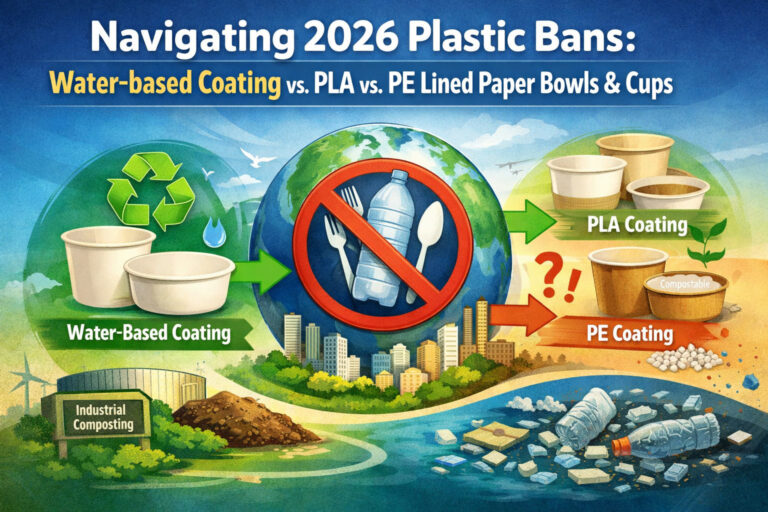
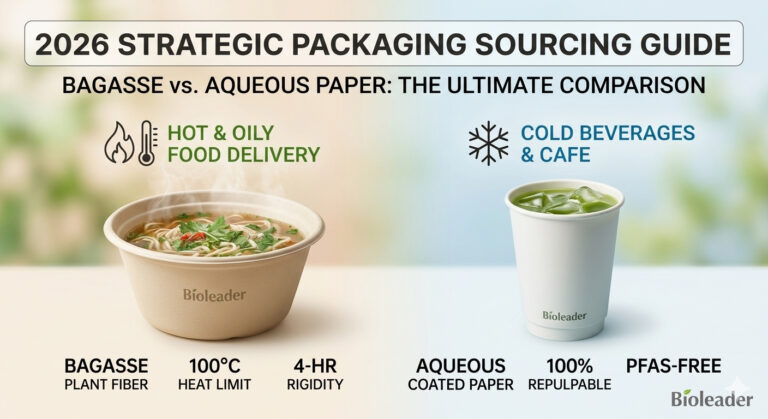
Quick Summary: Water-based coatings offer an eco-friendly solution for packaging, meeting global environmental certifications like EN13432, ASTM D6400, and BPI. These coatings are biodegradable, compostable, and free from harmful chemicals like PFAS and BPA, helping brands comply with regulations while promoting sustainability.
Waterborne coating — Quick Summary
  • Items displayed (articles): 12
  • Last updated: 2026-01-10
  • Includes test data, compliance guides, buyer FAQs, and real-world use cases.

Editor’s Picks: Top Waterborne Coating Guides 2026

FAQ of Bioleader's Eco-friendly Disposable Tableware

Is it suitable for serving cold foods?

Absolutely. Such paper food containers are good for salads frozen desserts and other cold foods.

Can I have their logo printed on my souvenirs?

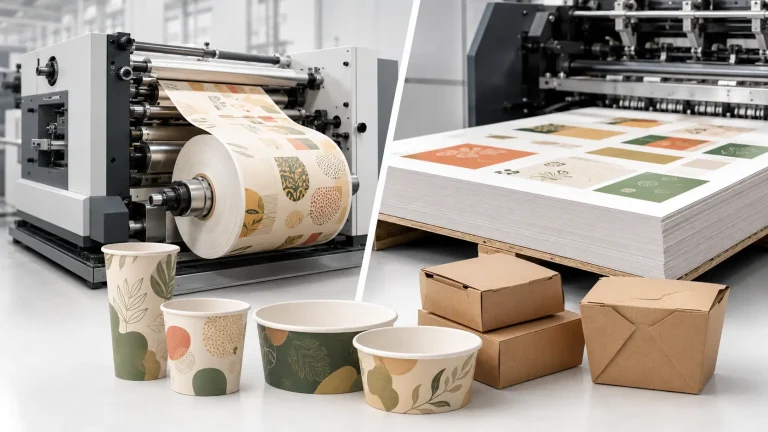
Of course, Yes. Such businesses have the option of having margarita salad bowls with their brand name on them or any other posters since we customize them — Waterborne coating. For any further details on branding options, you can reach us.

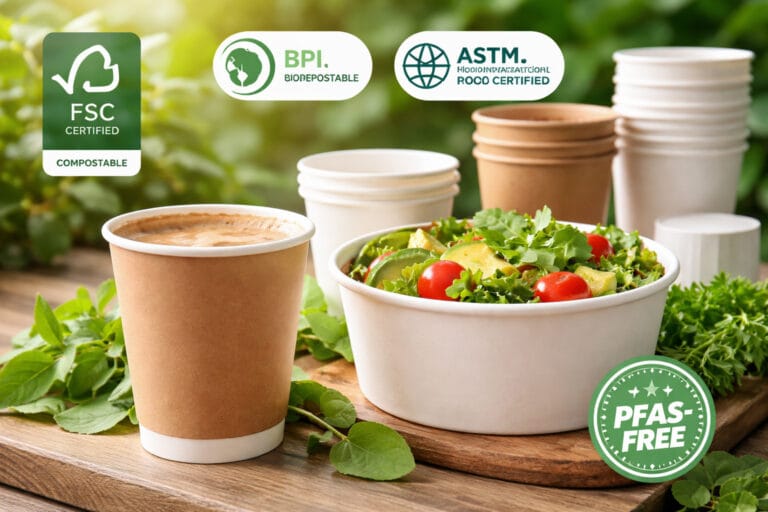
FSC-certified Wood Paper Materials: Kraft Paper and White Cardboard Paper

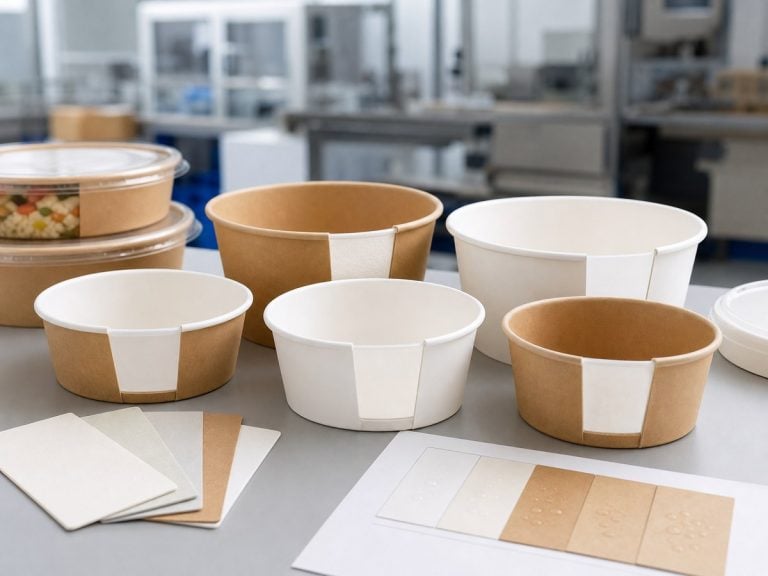
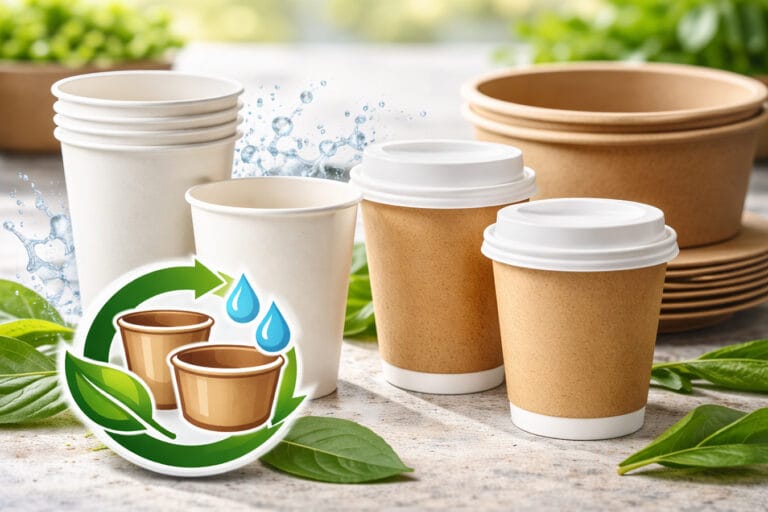
Our to go bowls with lids are made from two main types of materials: Kraft paper and white cardboard paper — Waterborne coating. Kraft paper is brown and more coarse than most papers and has high toughness and some water-resistant properties which make it good for holding medium-to-heavy and medium-hot food items. Conversely, the white cardboard paper provides an aesthetic appeal even as it remains tough. Both of these materials can be recycled and are environmentally friendly – a fact that helps in the packaging design that conforms to the current green principles and yet maintains the needed standard.

Key Features of Water-Based Coatings

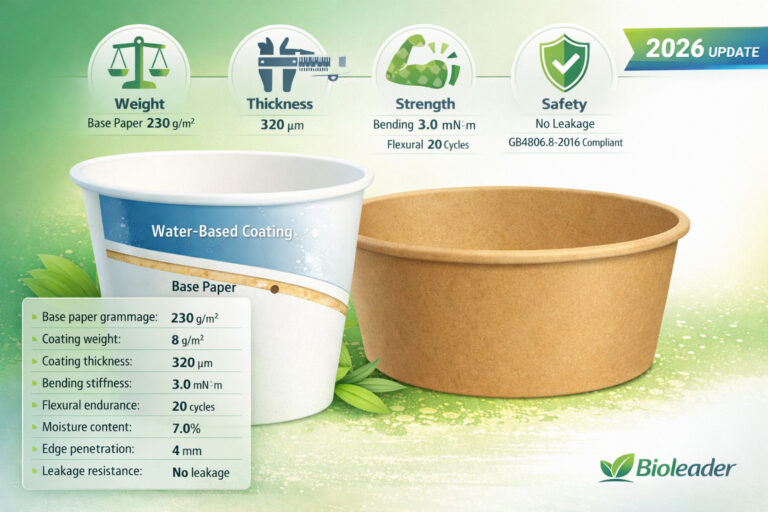
Biodegradability: Water-based coatings are biodegradable, meaning they break down naturally over time without leaving toxic residues in the environment. This contrasts sharply with plastic coatings, which can take centuries to decompose and often end up polluting landfills or oceans. Non-Toxic: Water-based coatings are free from harmful chemicals like PFAS and BPA (Bisphenol A), which are commonly found in traditional plastic coatings. These toxic chemicals are known to leach into food or beverages, posing health risks to consumers — Waterborne coating.

3.2 ASTM D6400 Certification: Ensuring Biodegradability in the U.S. Market

In the United States, ASTM D6400 is the standard used to evaluate the compostability of plastic products, including food packaging. This standard is essential for businesses that wish to offer products that are not only biodegradable but also compliant with U.S. environmental laws and consumer expectations. Water-based coatings are well-positioned to meet the ASTM D6400 certification because they are made from biodegradable resins and natural additives.

Related Insights

🚀Ready to Go Green and Choose ?

Join the global movement toward zero-waste packaging.


Bioleader® offers:

  • 📦 Bulk order support & fast delivery

  • ✍️ Custom branding and OEM solutions

  • 🌍 Worldwide eco-packaging compliance

Get the Catalogue Products List  & Contact Us Now! 👉

Contact us Below

Click or drag files to this area to upload.You can upload up to 5 files.
The more details you share, the faster and more accurate our quotation will be.