Water-based Coating: Expert Summary Guide | Bioleader® Insights

Browse articles grouped under the "Water-based coating" tag for topic-specific information and examples. The featured articles may approach the topic from different product, material, application, market, or sourcing perspectives. Check each article for its exact scope, technical data, standards, sources, and recommendations.
Water-based coating — Content Overview
  • Featured articles shown: 12
  • Directly tagged articles: 5
  • Latest tagged article update: 2026-08-13
  • Coverage, examples, and specific recommendations vary by individual article.

Editor's Picks: Top Water-based Coating Guides 2026

FAQ of Bioleader's Eco-friendly Disposable Tableware

Are these bowls safe for hot liquids?

Our biodegradable paper bowls are made of heat-resistant material making them ideal for hot liquids and can be used for soup and other hot foods: yes.

Material: Kraft Paper and White Cardboard Paper

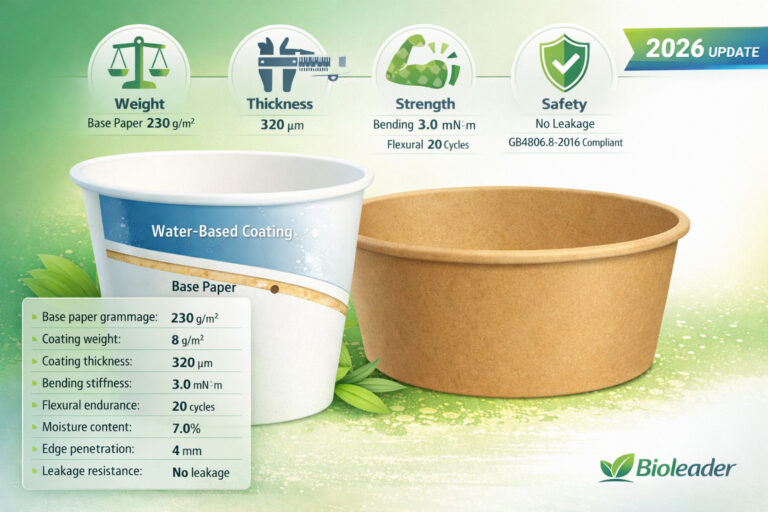
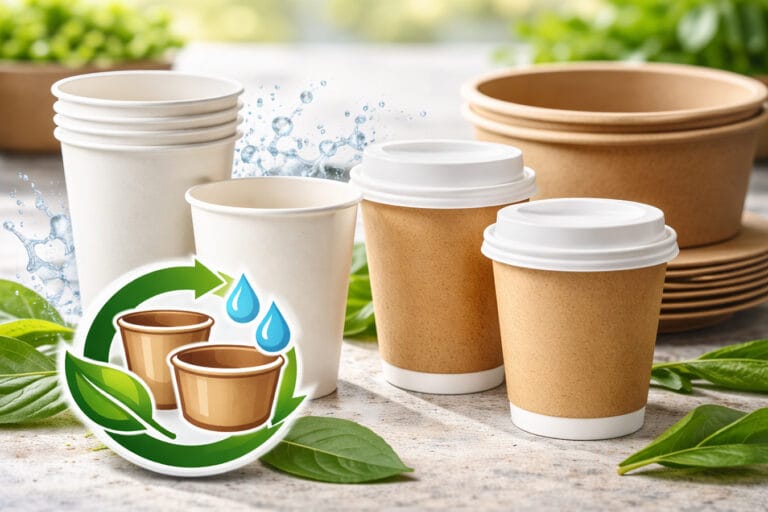
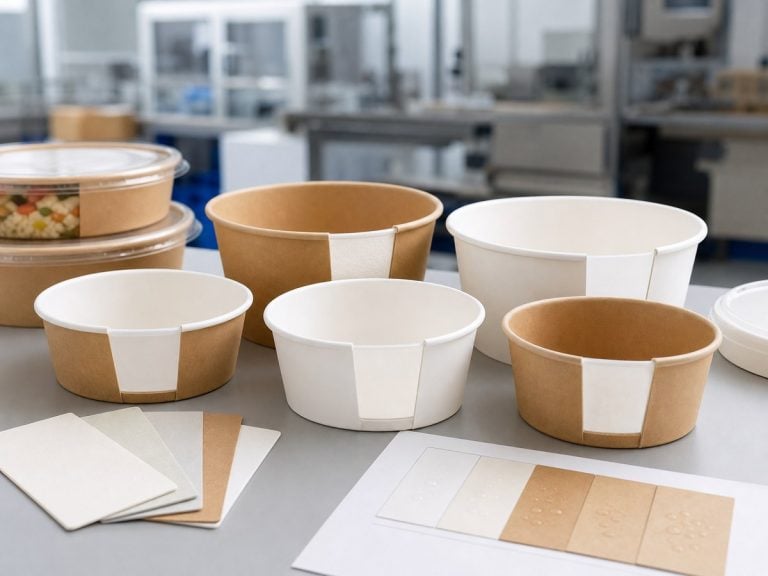
Our eco-friendly disposable bowls contain primarily 2 materials that are used to make the bowls that are kraft paper and white cardboard paper. Both of the materials are durable and environmentally friendly. Kraft paper has a coarse natural appearance while white cardboard paper has a smooth, sleek surface , Water-based coating. All of these materials are biodegradable which ensures compliance with the highest environmental requirements in product manufacture.

Can they be put in the microwave?

Yes, they can be put in a microwave even though there is no instruction to that, which makes it easier as meals can be quickly reheated in the same bowl.

2.2 How Water-Based Coatings Help Meet EPR Requirements

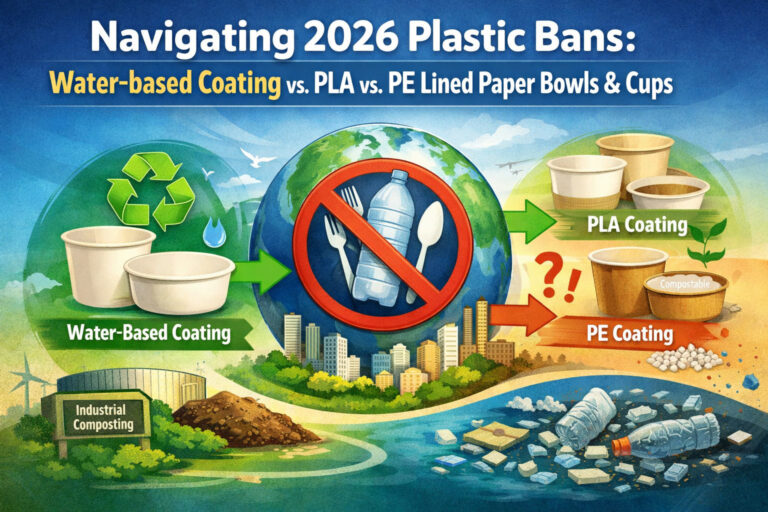
Water-based coatings provide an effective solution for packaging manufacturers seeking to comply with EPR regulations. These coatings are biodegradable and compostable, meaning they break down naturally in the environment without leaving harmful residues , Water-based coating. Unlike plastic coatings, which are difficult to recycle and often contaminate recycling streams, water-based coatings ensure that paper-based packaging can be more easily processed in recycling or composting facilities. By adopting water-based coatings, manufacturers reduce the environmental burden associated with plastic packaging — Water-based coating.

Step 1: Paper Selection and Preparation

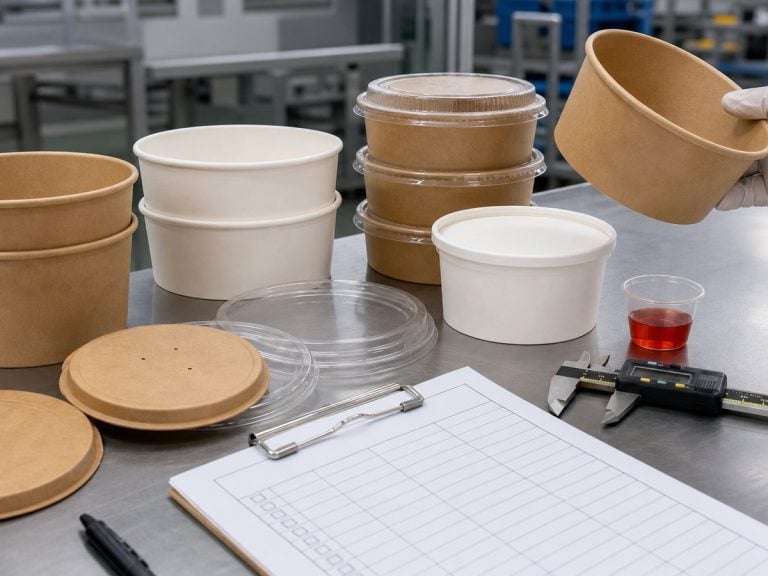
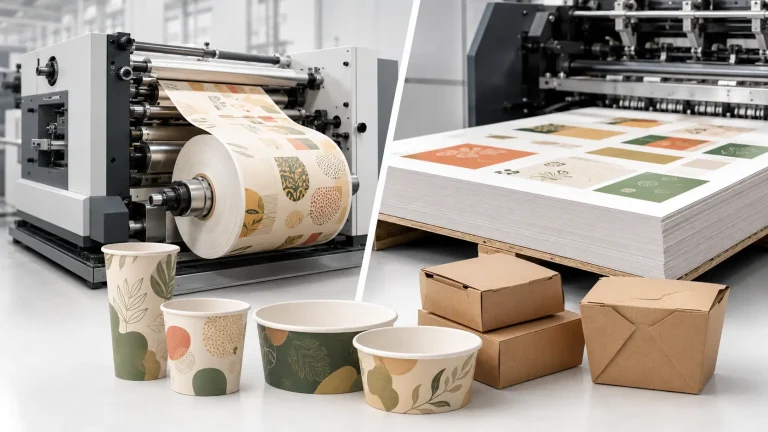
The production process starts with selecting the right type of paper for the cups and bowls. This paper is typically made from renewable resources such as wood pulp or recycled paper. Once the raw paper is sourced, it is prepared by passing through various processes, including pulping, refining, and drying, to achieve the desired thickness and strength.

Related Insights

🚀Ready to Go Green and Choose ?

Join the global movement toward zero-waste packaging.


Bioleader® offers:

  • 📦 Bulk order support & fast delivery

  • ✍️ Custom branding and OEM solutions

  • 🌍 Worldwide eco-packaging compliance

Get the Catalogue Products List  & Contact Us Now! 👉

Contact Us for Quote

Click or drag files to this area to upload.You can upload up to 5 files.
The more details you share, the faster and more accurate our quotation will be.