Extended Producer Responsibility (EPR) regulations for 2025-2026 are shaping the future of food packaging, especially for suppliers of biodegradable solutions like bagasse and cornstarch. EPR laws are compelling manufacturers to adopt sustainable, compostable packaging that complies with regional standards. This blog covers how businesses can navigate these regulations, optimize their packaging for compliance, and meet the increasing demand for sustainable packaging solutions.
1. Introduction: The Growing Importance of EPR in 2025 and Beyond
As the global shift towards sustainability accelerates, Extended Producer Responsibility (EPR) regulations have become a pivotal focus for governments and industries alike. Starting from 2025, packaging manufacturers will face stringent EPR rules aimed at reducing waste and promoting circular economies. This transition marks a turning point in the packaging industry, especially for suppliers of eco-friendly materials like bagasse and cornstarch. In this blog, we will delve into how these suppliers can prepare for the evolving EPR landscape, and why it’s critical for food packaging providers to stay ahead of the curve.
EPR laws require producers to be accountable for the entire lifecycle of their packaging, including post-consumer waste management. With the impending bans on plastic and increased demand for biodegradable alternatives, food packaging suppliers must adapt quickly. Bagasse and cornstarch are becoming essential materials for meeting these requirements, making it crucial for manufacturers to understand their roles in EPR compliance and to prepare for the transition.

2. What is EPR and Why is It So Important for Food Packaging Suppliers?
2.1 What is Extended Producer Responsibility (EPR)?
EPR is a policy approach that holds manufacturers accountable for the end-of-life disposal and recycling of their products and packaging. By shifting the responsibility to producers, governments aim to reduce environmental harm and promote sustainability. Under EPR, packaging manufacturers must use materials that are compostable, recyclable, or reusable, ensuring that products have minimal impact on landfills and the environment.
Key requirements often include ensuring that packaging is free from harmful chemicals like PFAS (Per- and polyfluoroalkyl substances), that it is compostable, and that it meets regional recycling standards.
2.2 How EPR Affects Packaging Suppliers
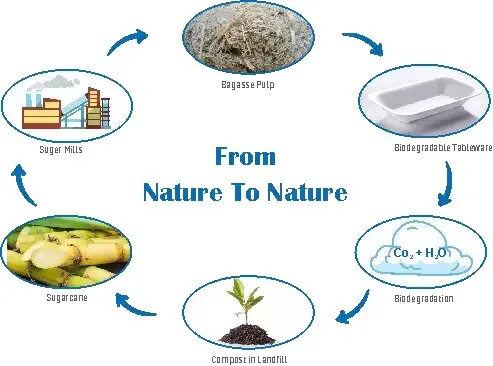
Packaging suppliers must meet these regulatory requirements to avoid penalties and retain market access. Bagasse and cornstarch, both biodegradable materials, are well-positioned to meet EPR guidelines. Bagasse, derived from sugarcane, is compostable and PFAS-free, making it an excellent choice for hot-food packaging. Cornstarch, another sustainable material, is suitable for cold food packaging but requires industrial composting facilities to break down effectively.
As we approach 2025, food packaging suppliers must embrace these sustainable materials to stay compliant and competitive in the market.

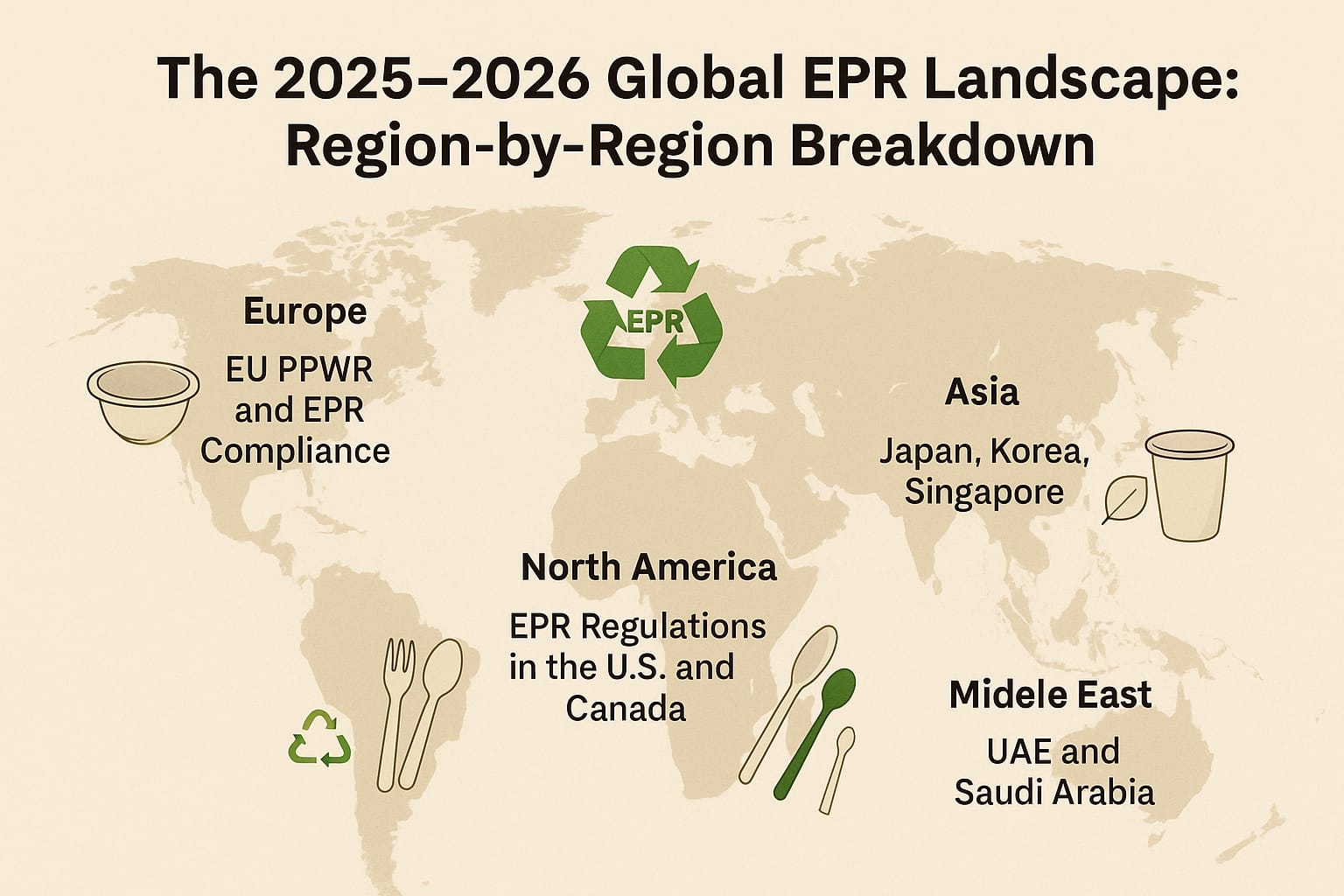
3. The 2025–2026 Global EPR Landscape: Region-by-Region Breakdown
3.1 Europe: EU PPWR and EPR Compliance
Europe is leading the charge in sustainable packaging, with the European Union’s Packaging and Packaging Waste Regulation (PPWR) expected to come into full force by 2025. This regulation mandates that packaging must be recyclable, reusable, or compostable, and it places a strong emphasis on eliminating problematic materials like plastics.
Bagasse and cornstarch are well-suited to meet these requirements, as they are both compostable and free from harmful substances like PFAS. European businesses that rely on plastic packaging will need to transition to sustainable alternatives to comply with these stringent laws.
3.2 North America: EPR Regulations in the U.S. and Canada
In North America, individual states in the U.S. and Canada are implementing their own EPR laws. For example, California’s SB54, set to take effect in 2025, aims to reduce single-use plastic packaging by 25% by 2030. Other states are following suit, making it crucial for packaging suppliers to adjust to evolving regulations.
In the U.S., large fast-food chains and foodservice operators are already shifting toward compostable packaging solutions like bagasse and cornstarch, both of which comply with state-level EPR laws. With a growing emphasis on composting infrastructure, these materials are becoming the go-to solutions for meeting EPR requirements.
3.3 Asia: Japan, Korea, Singapore
In Asia, Japan and South Korea are making strides in bioplastics adoption. Japan’s policies favor biodegradable materials, and South Korea is increasing its focus on compostable packaging to combat plastic waste.
Singapore, which has set ambitious plastic reduction goals for 2026, is pushing for a shift to sustainable packaging solutions. As one of the leading countries in promoting environmental responsibility, Singapore’s regulations will further accelerate the adoption of compostable materials like bagasse and cornstarch.
China and India are also emerging markets where compostability standards are starting to take root, albeit at a slower pace. However, as the demand for sustainable packaging grows, these markets will likely follow suit with more robust EPR regulations.
3.4 Middle East: UAE and Saudi Arabia
The UAE has set a plastic ban for 2026, making it one of the first Middle Eastern countries to impose such a regulation. The government is pushing for biodegradable alternatives, including bagasse and cornstarch, which will play a key role in meeting the UAE’s plastic reduction targets.
Similarly, Saudi Arabia and other Gulf Cooperation Council (GCC) countries are expected to introduce their own EPR frameworks. Packaging suppliers in the region must prepare for these regulations by aligning with international sustainability standards.
4. How Bagasse and Cornstarch Packaging Meet EPR Compliance in Different Regions
4.1 Bagasse’s Strength in EPR Compliance
Bagasse is a natural byproduct of sugarcane processing, making it one of the most sustainable materials available for food packaging. It is fully compostable, PFAS-free, and can withstand high temperatures, making it ideal for hot-food packaging such as sugarcane takeaway containers, plates, and bowls.
As EPR laws push for packaging that is not only biodegradable but also free from harmful chemicals, bagasse’s inherent properties make it a prime candidate for EPR compliance.
4.2 Cornstarch’s Role in the Market
Cornstarch-based food containers, which is derived from the fermentation of starch, is another biodegradable material gaining traction. It is suitable for cold food applications like salads, desserts, and light meals. However, cornstarch requires industrial composting facilities to break down, limiting its use in regions without proper composting infrastructure.
Despite its limitations in high-heat applications, cornstarch remains an essential material for EPR-compliant packaging in many regions, especially for cold foods.
5. Navigating Hybrid Packaging Solutions: Bagasse and Cornstarch Together
5.1 Why Hybrid Packaging Makes Sense
For foodservice providers and quick-service restaurants (QSR), hybrid packaging solutions that combine bagasse for hot food and cornstarch for cold food provide an effective, cost-efficient, and compliant alternative. By using both materials in different applications, businesses can meet diverse EPR regulations while also reducing their environmental impact.
As demand for sustainable packaging rises in 2025–2026, hybrid models will become increasingly popular for their flexibility and compliance with regional EPR rules.
5.2 Maximizing Operational Efficiency with Hybrid Solutions
Hybrid packaging not only helps businesses comply with EPR regulations, but it also enhances operational efficiency. By using both bagasse and cornstarch in a complementary manner, foodservice providers can streamline their packaging supply chain.
Inventory Optimization: Combining two materials means that businesses can optimize their inventory by selecting the most suitable material for specific food types. For example, hot food can be packaged in bagasse containers, while cold food can be packaged in cornstarch-based boxes, reducing excess stock of one material and improving cost control.
Enhanced Customer Experience: Offering a variety of sustainable packaging options allows customers to choose between hot and cold meal packaging, improving the overall consumer experience. This flexibility not only meets regulatory requirements but also appeals to environmentally conscious customers who expect businesses to adopt sustainable practices.
6. How Food Packaging Suppliers Must Adapt for EPR in 2025–2026
6.1 Material Selection and Procurement Strategy
To comply with EPR regulations, food packaging suppliers must prioritize biodegradable materials like bagasse and cornstarch. Choosing materials with certifications such as EN13432, ASTM D6400, and BPI ensures that packaging meets international compostability standards.
Suppliers must evaluate regional requirements and select materials that best align with local EPR laws, ensuring full compliance while minimizing waste.
6.2 Packaging Optimization for Cost-Effectiveness
Cost management will play a crucial role in meeting EPR standards without compromising profitability. By optimizing logistics and selecting the right materials for packaging, businesses can reduce costs while maintaining sustainable packaging solutions.
Bagasse and cornstarch offer a balanced approach to EPR compliance, providing an eco-friendly and cost-effective packaging solution for foodservice operators.
7. Case Examples: Real Business Impact
7.1 European Foodservice Importer Requiring PFAS-Free Bagasse Only
A leading European foodservice importer, which supplies major fast-food chains and restaurant brands across the EU, has switched to exclusively using PFAS-free bagasse food packaging due to the European Union’s upcoming EPR regulations. The company, which works with several well-known restaurant brands, required that all its packaging be fully compostable and free from harmful chemicals, resulting in the adoption of bagasse-based containers for hot-food packaging. This shift has positioned the company as a pioneer in adopting sustainable packaging solutions ahead of the EU’s 2025 regulations.

7.2 McDonald’s U.S. Chain Replacing Bioplastics → Bagasse Due to EPR Costs
A well-known U.S. fast-food chain, McDonald’s, has made the decision to transition from bioplastic packaging to bagasse tableware for several of its food items in response to the rising EPR fees and compliance costs. With the implementation of California’s SB54 and other state-level EPR laws, the company saw the need to reduce packaging-related costs while maintaining sustainability standards. Bagasse, being compostable and cost-efficient, was the ideal solution, helping McDonald’s mitigate increased EPR costs while staying committed to their long-term environmental goals.
7.3 Singapore’s 2026 Pilot Program for Compostable Tableware
In response to Singapore’s 2026 plastic reduction goals, several foodservice operators, such as Domino’s Pizza and Starbucks Singapore, have already begun adopting compostable packaging alternatives, including bagasse and cornstarch-based products. These businesses are actively participating in the government’s pilot program, designed to transition the foodservice industry towards fully sustainable packaging. These early adopters are preparing to meet the strict EPR requirements by 2026, ensuring compliance while contributing to the national push for reduced plastic waste.

7.4 Middle East Distributor Switching to Cornstarch for Retail Meal Kits
In the Middle East, a leading distributor of ready-to-eat meal kits has switched to using cornstarch-based tableware for its cold meals to comply with the UAE’s upcoming 2026 plastic ban and the broader GCC sustainability framework. The company, which distributes meal kits to retail chains such as Carrefour and Lulu Hypermarket, has embraced cornstarch packaging as part of its commitment to sustainability. This strategic move aligns with the region’s EPR requirements, offering an eco-friendly alternative to conventional plastic packaging while positioning the company as an industry leader in sustainable food packaging solutions.
8. Bioleader® EPR-Ready Capabilities
8.1 Bioleader® Bagasse and Cornstarch Solutions
Bioleader® offers a wide range of bagasse and cornstarch packaging solutions designed to meet global EPR requirements. With full traceability and certifications like EN13432, ASTM D6400, and BPI, Bioleader® ensures that its products are compliant with the highest standards.
Our OEM/ODM capabilities make Bioleader® a trusted partner for large foodservice and retail chains looking for reliable, sustainable packaging solutions.
Tailored Packaging Solutions: Bioleader® works closely with clients to provide custom packaging solutions that meet specific regulatory and brand requirements. Whether you’re looking for branded packaging or specific material compliance, our team can create a solution that aligns with your sustainability goals.

8.2 Comprehensive EPR Compliance Support and Consultation
At Bioleader®, we understand that navigating EPR regulations can be complex, especially for foodservice and retail companies transitioning to sustainable takeaway packaging. To support our clients through this process, we offer expert consultation services that guide businesses in adapting to the latest packaging requirements.
EPR Compliance Roadmap: Bioleader® provides a tailored compliance roadmap for clients, outlining step-by-step strategies for meeting EPR regulations in different regions. This includes advice on material selection, certification processes, and sustainable packaging alternatives that align with local laws.
Regulatory Updates and Industry Insights: As EPR regulations continue to evolve, Bioleader® keeps clients informed about the latest legal changes and market trends. Our team actively monitors global regulations to ensure that your business remains compliant and ahead of the curve.
9. Conclusion: Preparing for EPR Compliance with Bagasse and Cornstarch Packaging
As the 2025–2026 EPR regulations draw nearer, food packaging suppliers must act quickly to align their products with the new rules. Bagasse remains the top material for hot-food packaging, while cornstarch is an excellent choice for cold-food applications. By selecting the right materials and obtaining the necessary certifications, packaging suppliers can meet EPR requirements and continue to serve the growing demand for sustainable packaging solutions.
Bioleader® is ready to support your business in meeting these evolving regulations. Start preparing today to ensure compliance and continue to lead the way in sustainable packaging solutions.
FAQ
1. What is EPR and how does it impact packaging suppliers?
EPR, or Extended Producer Responsibility, requires producers to manage the entire lifecycle of their packaging, including disposal. Packaging suppliers must use sustainable materials like compostable bagasse and cornstarch to comply with EPR regulations.
2. What are the key materials for EPR-compliant packaging?
Bagasse and cornstarch are two of the most widely used materials for EPR-compliant packaging. Bagasse is ideal for hot-food packaging, while cornstarch is best for cold-food applications.
3. How can bagasse help meet EPR compliance?
Bagasse is compostable, PFAS-free, and heat-resistant, making it an excellent choice for hot-food applications. Its compliance with EPR standards ensures that packaging is environmentally friendly and legally acceptable.
4. How does cornstarch packaging meet EPR requirements?
Cornstarch packaging is biodegradable and compostable, making it suitable for cold-food packaging. However, it requires industrial composting facilities for proper disposal, which limits its use in regions without composting infrastructure.
5. How can food packaging suppliers prepare for EPR compliance?
Food packaging suppliers should select materials that are certified compostable and recyclable, such as bagasse and cornstarch. They must also stay updated on regional EPR laws and optimize their logistics for cost-effective packaging solutions.
Reference
“Extended producer responsibility for packaging: who is affected and what to do” – Department for Environment, Food & Rural Affairs & Environment Agency, UK, published 7 June 2022.
“Packaging extended producer responsibility (pEPR)” – Louise Smith, House of Commons Library Research Briefing, UK Parliament, published 19 November 2025.
“Packaging and packaging waste (from 2026)” – European Commission, EUR‑Lex, published 26 September 2025.
“Plant‑Based Packaging: Types, Applications, and Trends” – Thomasnet Insights, published 1 April 2025.
“Sustainable modifications in food packaging” – V. Kumar et al., ScienceDirect, 2025.
“Extended Producer Responsibility: The Complete Guide” – Clarity Eco, published year unspecified (2025 context).
“Revolutionizing Food Packaging: The Rise of Bagasse and Cornstarch Tableware” – Packnode, published 15 April 2025.
“Eco‑friendly packaging alternatives for your business” – British Business Bank guidance article, published (date unspecified, 2024–2025 context).
Understanding the Future of EPR Packaging Rules: How to Prepare for 2025–2026
Why is EPR Important for Packaging Suppliers?Extended Producer Responsibility (EPR) regulations are setting the groundwork for sustainable packaging solutions globally. By 2025, packaging manufacturers must comply with EPR laws, focusing on compostable and recyclable materials. These new rules will transform how foodservice operators, packaging suppliers, and manufacturers source, produce, and dispose of packaging. EPR’s goal is to reduce environmental waste and encourage circular economies by holding producers accountable for their packaging’s lifecycle.
What Are the Key EPR Requirements for Packaging Materials?
EPR regulations emphasize compostable packaging solutions free from harmful chemicals like PFAS (Per- and Polyfluoroalkyl Substances). Materials like bagasse and cornstarch meet these criteria due to their biodegradability and compostability. EPR compliance is focused on ensuring that packaging materials break down responsibly, reducing landfill waste and promoting sustainability.
How Can Bagasse and Cornstarch Meet EPR Standards?
Bagasse, derived from sugarcane waste, is a highly sustainable material that is compostable, PFAS-free, and ideal for hot-food packaging. Cornstarch, similarly, provides a biodegradable option for cold-food packaging. By adopting these materials, foodservice providers can align their operations with EPR compliance, significantly reducing their environmental footprint.
What Are the Benefits of Hybrid Packaging Solutions for EPR Compliance?
Hybrid packaging solutions that combine materials like bagasse and cornstarch are emerging as an effective approach to meet EPR requirements. Using bagasse for hot food and cornstarch for cold food allows businesses to optimize their packaging based on temperature and regulatory needs, offering flexibility while ensuring compliance with regional EPR standards. This approach helps streamline operations, reduce waste, and lower costs, making it a sustainable and cost-effective solution.
Key Takeaways for Food Packaging Suppliers
For food packaging suppliers, adapting to EPR regulations by selecting the right sustainable materials such as bagasse and cornstarch is crucial. Businesses need to stay ahead of regulatory changes and adopt packaging solutions that are both eco-friendly and compliant. By embracing these sustainable options, packaging suppliers can lead the market in providing packaging solutions that meet the growing demand for environmentally responsible products.