Zero-Plastic Foodservice Solutions Overview For Businesses | Bioleader® Guide

Actionable coverage of Zero-Plastic Foodservice Solutions: eco-friendly, biodegradable, compostable materials, performance data, and compliance under EN13432 & ASTM D6400. Includes BPI/TÜV references and Food-Contact Tested guidance for safe deployment. Buyer-focused: manufacturer insights, bulk/wholesale buying playbooks, OEM/ODM customization tips, full size range selection.
Zero-Plastic Foodservice Solutions — Quick Summary
  • Items displayed (articles): 12
  • Last updated: 2026-03-12
  • Includes test data, compliance guides, buyer FAQs, and real-world use cases.

Editor’s Picks: Top Zero-plastic Foodservice Solutions Guides 2026

FAQ of Bioleader's Eco-friendly Disposable Tableware

1. What are sugarcane bagasse molded pulp trays made from?

They are made from bagasse, the fibrous residue left after sugarcane stalks are crushed for juice. This agricultural waste is molded into strong, durable trays that are compostable, biodegradable, and plastic-free.

4. Can I order eco friendly trays with lids directly from a wholesale factory?

Yes. Many factories—especially in China, India, and Southeast Asia—offer bulk wholesale options with OEM/ODM services. This includes custom branding, embossed logos, and private label packaging for large-volume buyers.

Key Benefits of Paper Pulp Molding Technology:

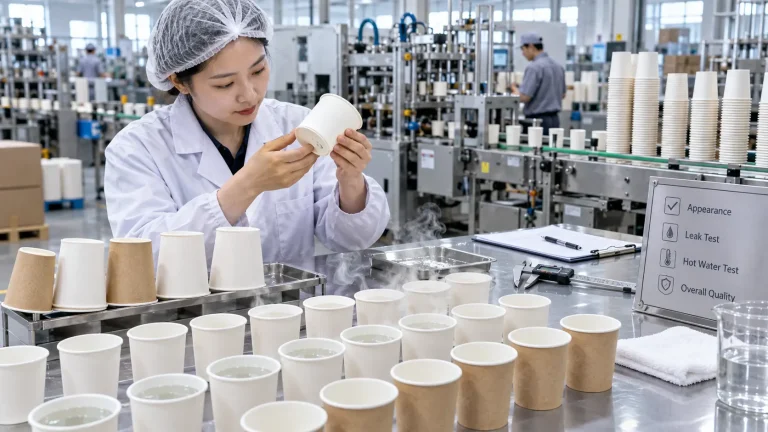
Strength and Durability: The pulp bowls are disposable, but it is incredibly tough and can serve a wide variety of foods without leakage or breakage — Zero-Plastic Foodservice Solutions. Leak-Proof and Water Resistant: The bowls will prove to be beneficial because it is leak-proof, which makes them perfect for wet items such as noodles, soups, and salads. Heat Resistant and Microwaveable: For people who enjoy using the package for their meals, these biodegradable disposable bowls are perfect as they can stand hot food items and are safe to use in microwaves. Key Features and Benefits of Paper Pulp Disposable Biodegradable Bowls

Cost Comparison

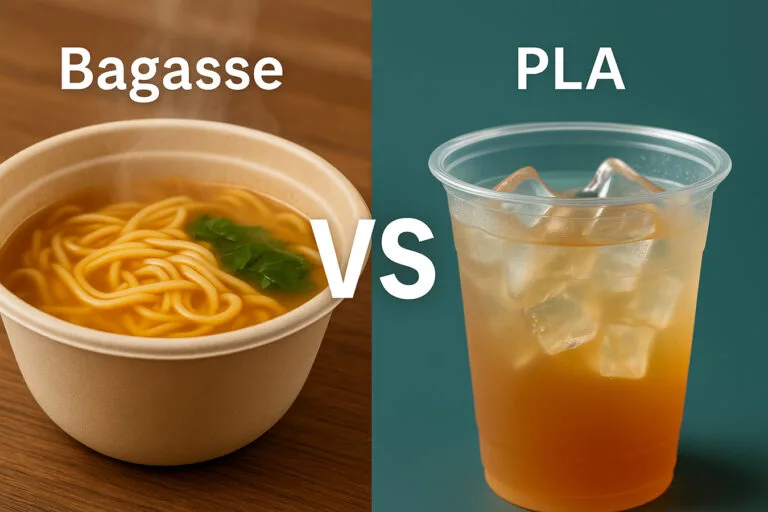
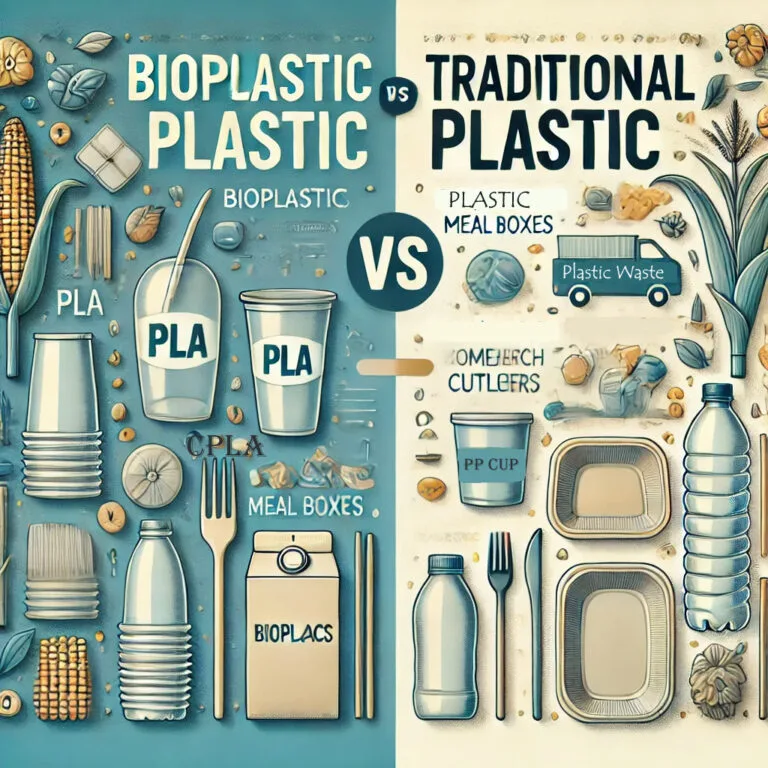
Bagasse: Slightly more expensive than Cornstarch, but a viable choice for higher-end foodservice applications. Bagasse is derived from sugarcane pulp, making it a sustainable and renewable resource. However, its cost is higher due to the intricate production process and its premium positioning in eco-friendly packaging. Cornstarch: By far the most cost-effective option, Cornstarch-based packaging materials offer the best value for large-scale applications such as cornstarch takeout containers and cornstarch cutlery.

Heat Resistance

Cornstarch: Heat resistance is one of its standout features — Zero-Plastic Foodservice Solutions. Cornstarch bioplastic containers can withstand temperatures up to 100°C, which makes them ideal for hot meals and high-temperature delivery. This characteristic is particularly important in Russia’s hot soup and meat-based dishes. Bagasse: Tolerates heat up to 85°C, which is suitable for most conventional foodservice needs but may not hold up as well under higher temperatures or in long-duration deliveries , Zero-Plastic Foodservice Solutions.

Related Insights

🚀Ready to Go Green and Choose ?

Join the global movement toward zero-waste packaging.


Bioleader® offers:

  • 📦 Bulk order support & fast delivery

  • ✍️ Custom branding and OEM solutions

  • 🌍 Worldwide eco-packaging compliance

Get the Catalogue Products List  & Contact Us Now! 👉

Contact us Below

Click or drag files to this area to upload.You can upload up to 5 files.
The more details you share, the faster and more accurate our quotation will be.