Sustainable Food Trays Compliance Checklist | Bioleader® Insights

Actionable coverage of Sustainable Food Trays: eco-friendly, biodegradable, compostable materials, performance data, and compliance under EN13432 & ASTM D6400. Includes BPI/TÜV references and Food-Contact Tested guidance for safe deployment. Buyer-focused: manufacturer insights, bulk/wholesale buying playbooks, OEM/ODM customization tips, full size range selection.
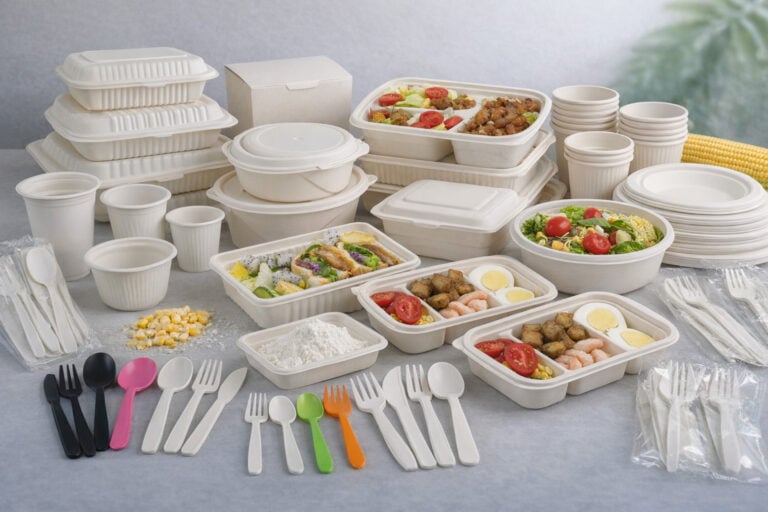
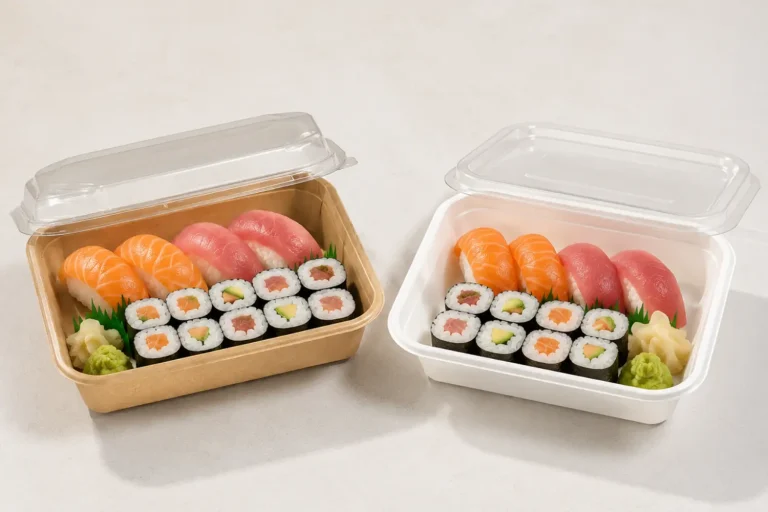
Quick Summary: Cornstarch tableware is a biodegradable and compostable solution rising in 2025 as global plastic bans expand. From hot soups to oily fried meals, BBQ festivals, and food delivery, cornstarch bowls, cutlery, and trays with lids (1, 2, 3, 5 compartments) are becoming essential. Certified under EN13432 and ASTM D6400, they meet export and food-contact regulations, offering eco-friendly alternatives for restaurants, catering, and wholesale buyers worldwide.
Sustainable Food Trays — Quick Summary
  • Items displayed (articles): 12
  • Last updated: 2025-10-06
  • Includes test data, compliance guides, buyer FAQs, and real-world use cases.

Editor’s Picks: Top Sustainable Food Trays Guides 2026

FAQ of Bioleader's Eco-friendly Disposable Tableware

How many sizes of the product can I get?

The compostable salad bowls are within the capacity range of 500 and 1500 ml (8 oz-48 oz), Availing variety for the mass.

Are these bowls safe for hot liquids?

Our biodegradable paper bowls are made of heat-resistant material making them ideal for hot liquids and can be used for soup and other hot foods: yes.

Materials: Kraft Paper & White Cardboard Paper

Our company’s biodegradable bowls are made of materials that allow biodegradation such as kraft paper and cardboard paper. Sturdy and durable kraft paper is opaque and gives the kraft paper a natural aesthetic that consumers in this era should gorge on. White cardboard paper helps to enhance this look while ensuring that the bowl remains strong , Sustainable Food Trays. Even these materials are 100% bio-degradable, hence these disposable biodegradable bowls will decompose within a short time after disposal to reduce pollution — Sustainable Food Trays.

📊 Cornstarch vs Other Materials – Performance Comparison

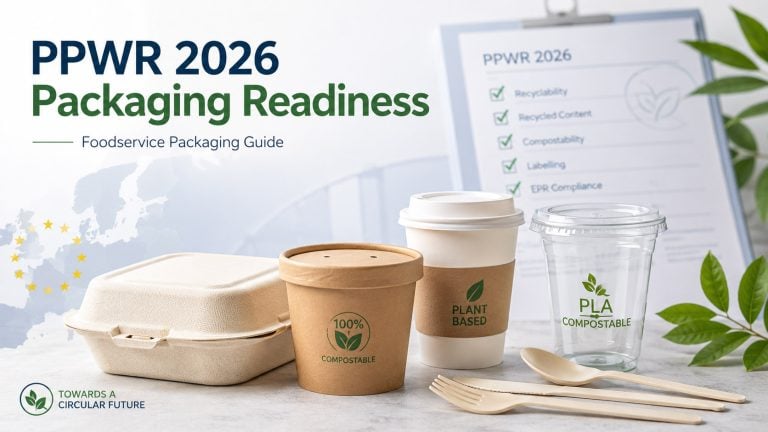
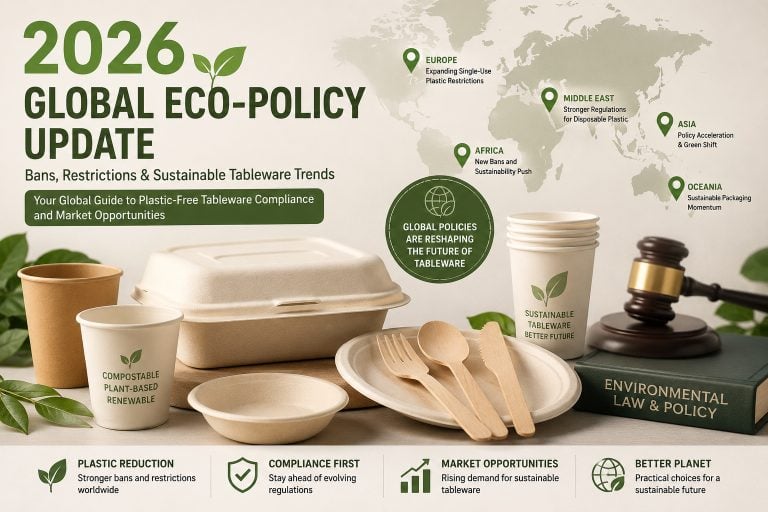
Feature / Material Cornstarch Tableware Bagasse Tableware PLA Tableware Plastic (PS/PP) Heat Resistance Up to 80–90°C (hot soup) Up to 120°C (microwaveable) Softens above 55–60°C >100°C Oil Resistance High (2h at 60°C) High Moderate Very High Decomposition Time 90–180 days (industrial) 60–90 days (industrial) 90–120 days (industrial) 400+ years (landfill) Carbon Emissions 0.5–0.8 t CO₂/ton 0.4–0.6 t CO₂/ton 0.8–1.0 t CO₂/ton 2.0–2.5 t CO₂/ton Cost (Relative) Medium-High Low-Medium Medium Low Certification Options EN13432, ASTM D6400, BPI EN13432, ASTM D6400, BPI EN13432, ASTM D6400, BPI None Regulatory Push Behind Cornstarch Adoption The rise of cornstarch tableware in 2025 is not just a matter of consumer preference. It is being accelerated by global packaging regulations, especially bans on single-use plastics and PFAS.

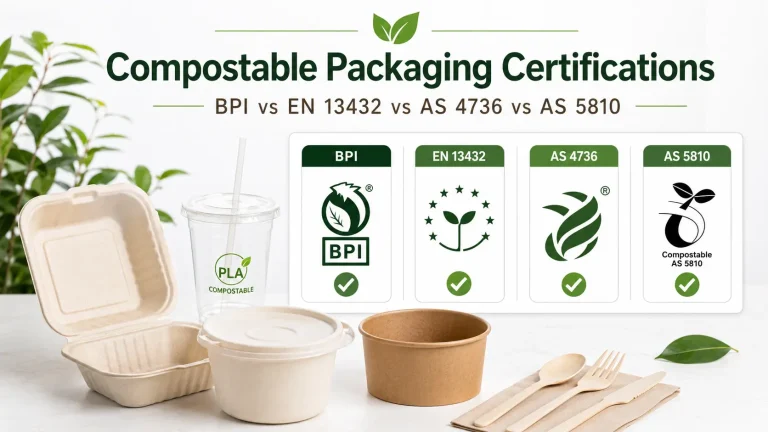
What certifications do cornstarch food trays need for export to Europe or the U.S.?

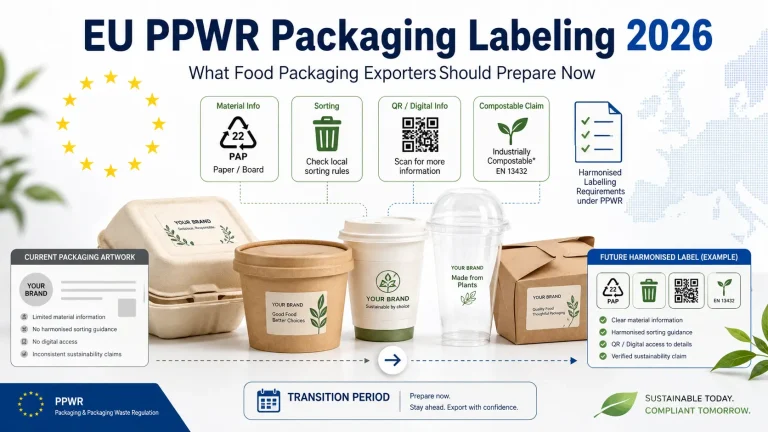
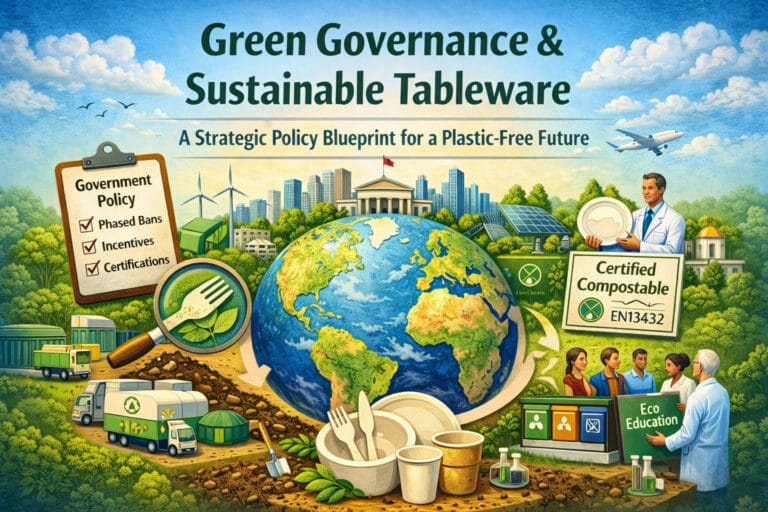
For Europe, cornstarch packaging requires EN13432 certification , Sustainable Food Trays. For the United States, ASTM D6400 and BPI certification are necessary. These ensure compliance with compostability and food-contact safety standards.

Related Insights

🚀Ready to Go Green and Choose ?

Join the global movement toward zero-waste packaging.


Bioleader® offers:

  • 📦 Bulk order support & fast delivery

  • ✍️ Custom branding and OEM solutions

  • 🌍 Worldwide eco-packaging compliance

Get the Catalogue Products List  & Contact Us Now! 👉

Contact us Below

Click or drag files to this area to upload.You can upload up to 5 files.
The more details you share, the faster and more accurate our quotation will be.