Trends In Sugarcane Food Containers: Market Insights, Innovations & FAQs | Bioleader® Insights

Actionable coverage of sugarcane food containers: eco-friendly, biodegradable, compostable materials, performance data, and compliance under EN13432 & ASTM D6400. Includes BPI/TÜV references and Food-Contact Tested guidance for safe deployment. Buyer-focused: manufacturer insights, bulk/wholesale buying playbooks, OEM/ODM customization tips, full size range selection.

As global awareness of plastic pollution and sustainability surges, the demand for biodegradable food containers has skyrocketed. From eco-conscious consumers to multinational food chains, the urgency to replace plastic with compostable, zero-waste, and plant-based alternatives has never been stronger. Businesses now seek not just packaging, but solutions that align with environmental values and local compliance standards. This blog explores the top 10 leading manufacturers worldwide in 2025, analyzing their strengths, specialties, and what sets them apart in the global shift toward eco-friendly food containers.

sugarcane food containers — Quick Summary
  • Items displayed (articles): 12
  • Last updated: 2025-06-05
  • Includes test data, compliance guides, buyer FAQs, and real-world use cases.

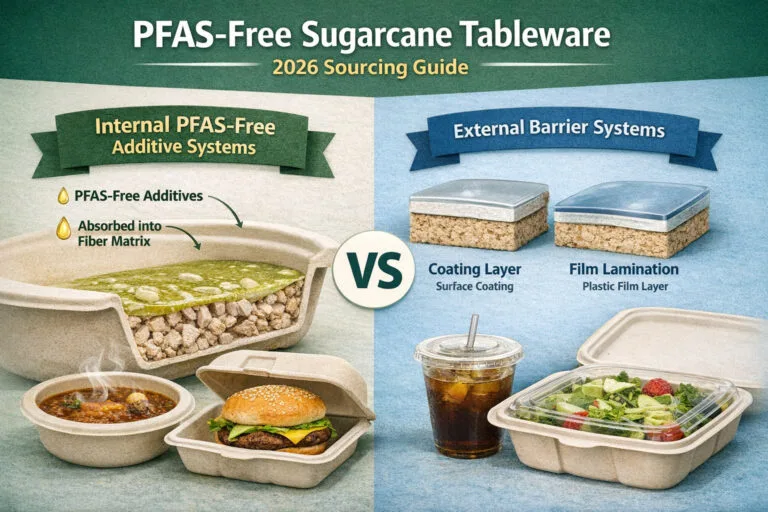
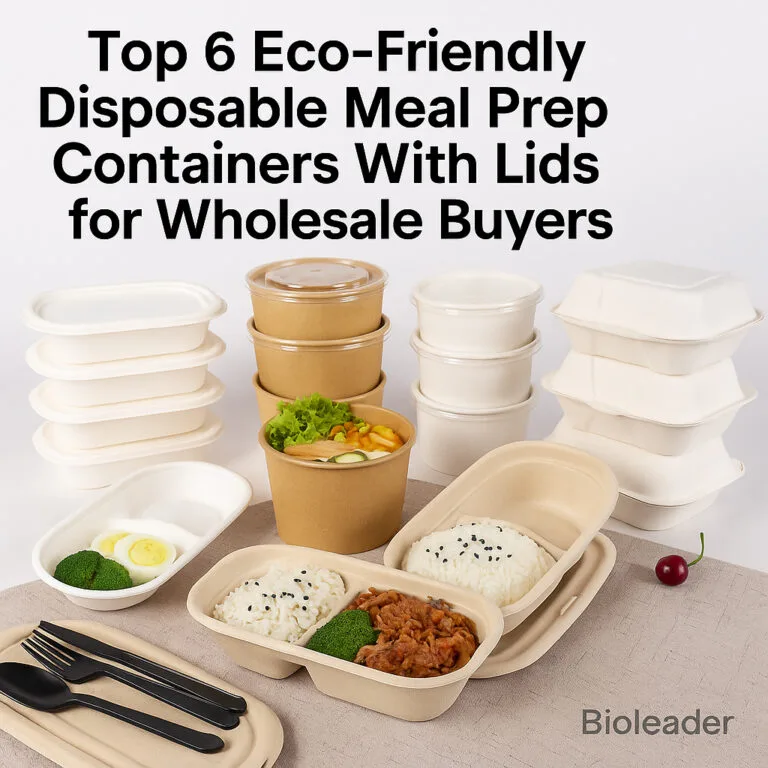
Editor’s Picks: Top Sugarcane Food Containers Guides 2026

FAQ of Bioleader's Eco-friendly Disposable Tableware

They cannot take away hot foods?

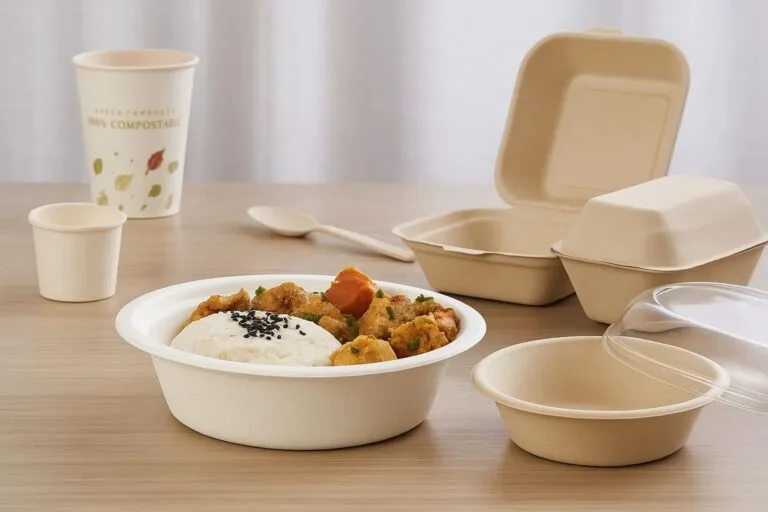
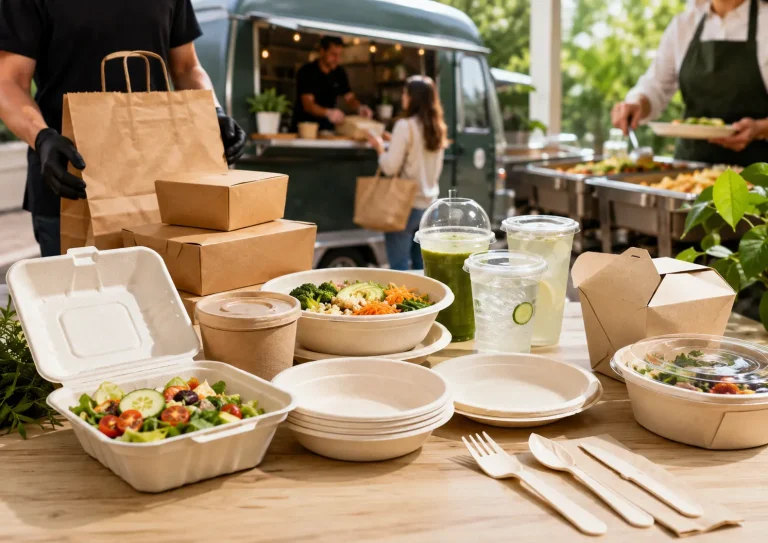
Yes, of course. These salad bowls kraft paper and can take hot food as well as cold food, hence usable for a range of dishes.

What is the range of sizes that you have?

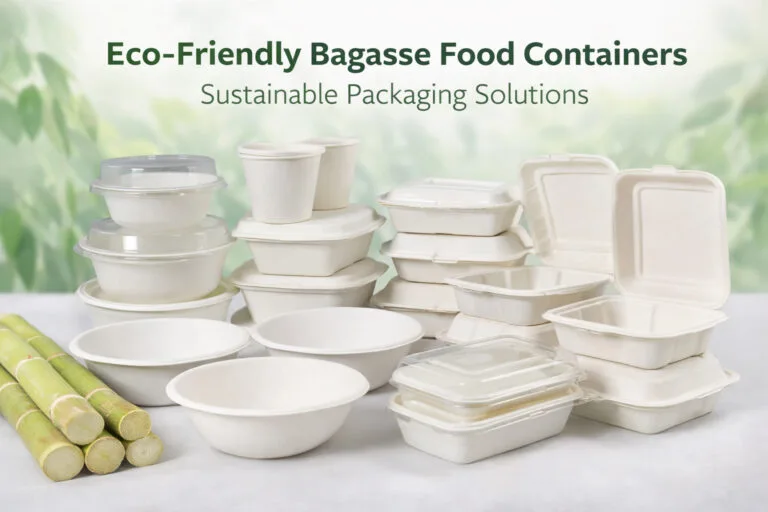
In terms of volume, there are varieties of cups: 500ml, 750ml, 1000ml, 1090ml, 1200ml, 1300ml, and 1500ml , sugarcane food containers. This means that for every portion of any size, there is a bowl available.

Can these containers hold liquids?

Yes, our paper food containers are leakproof and hold solid and liquid foods including thick soups sauces, and creamy dishes too.

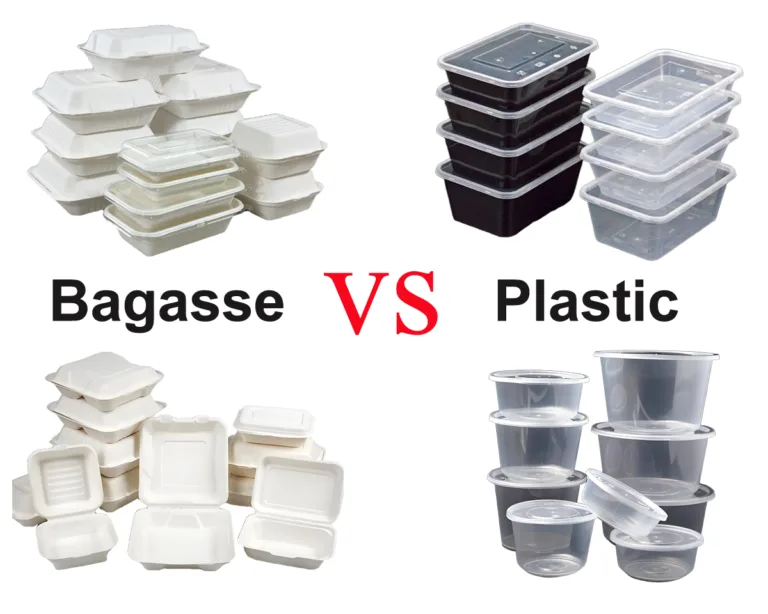
Advantages of Bagasse Containers

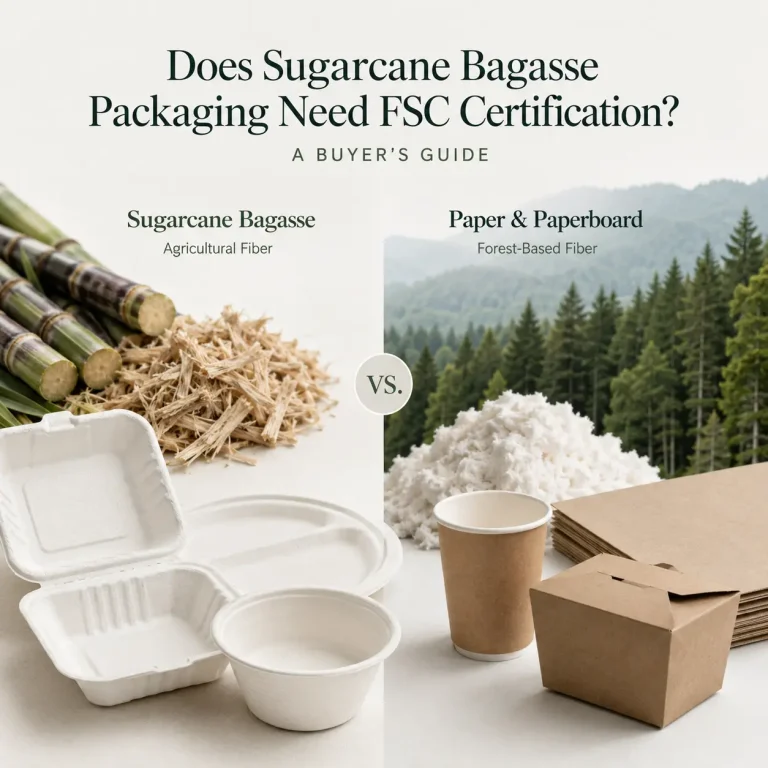
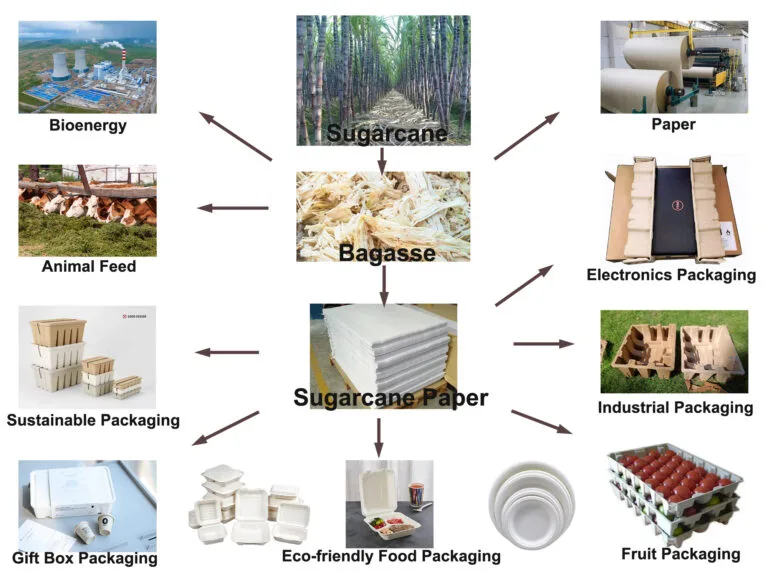
Biodegradability and CompostabilityBagasse containers are 100% biodegradable and compostable, breaking down within 60-90 days under composting conditions. Unlike plastic, which can persist in the environment for centuries, bagasse returns to nature without harming ecosystems. Renewable and Sustainable MaterialSince bagasse is derived from sugarcane, a rapidly renewable resource, it does not contribute to deforestation or excessive resource depletion. Heat Resistance and Microwave-SafeBagasse food containers can withstand high temperatures, making them microwave-safe and suitable for hot foods.

Disadvantages of Bagasse Containers

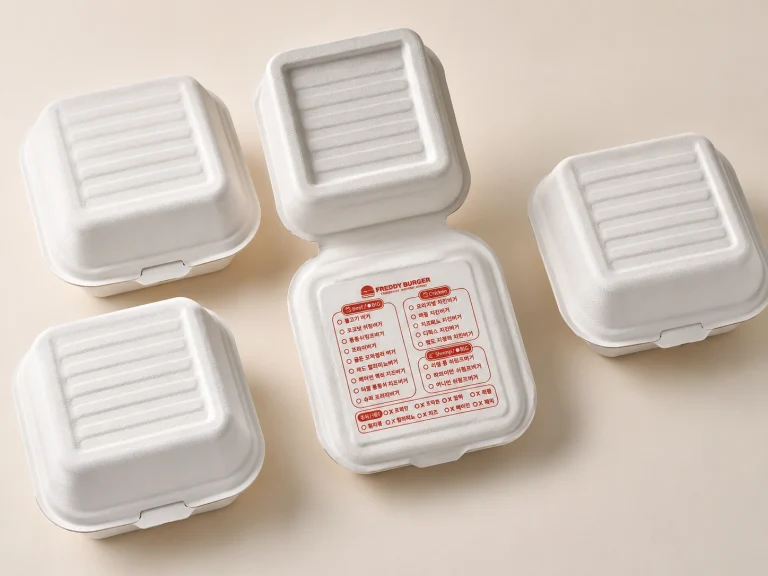
Higher Production CostsCompared to plastic, bagasse packaging is currently more expensive due to its production process and limited large-scale manufacturing facilities. Lower Barrier PropertiesBagasse does not provide the same level of moisture and oxygen barrier as plastic, which may impact food shelf life — sugarcane food containers. Sugarcane Bagasse Food Container Bagasse Clamshell Boxes Containers Sugarcane Bagasse Takeout to Go Container Boxes Sugarcane Bagasse Takeout Containers   What is a Plastic Container? Plastic food containers are made from petroleum-based polymers such as polyethylene (PE), polypropylene (PP), and polyethylene terephthalate (PET) — sugarcane food containers.

Related Insights

🚀Ready to Go Green and Choose ?

Join the global movement toward zero-waste packaging.


Bioleader® offers:

  • 📦 Bulk order support & fast delivery

  • ✍️ Custom branding and OEM solutions

  • 🌍 Worldwide eco-packaging compliance

Get the Catalogue Products List  & Contact Us Now! 👉

Contact us Below

Click or drag files to this area to upload.You can upload up to 5 files.
The more details you share, the faster and more accurate our quotation will be.