Top Use Cases For Reusable Vs Disposable Packaging | Bioleader® Sustainable Packaging
Actionable coverage of reusable vs disposable packaging: eco-friendly, biodegradable, compostable materials, performance data, and compliance under EN13432 & ASTM D6400. Includes BPI/TÜV references and Food-Contact Tested guidance for safe deployment. Buyer-focused: manufacturer insights, bulk/wholesale buying playbooks, OEM/ODM customization tips, full size range selection.
reusable vs disposable packaging — Quick Summary
Items displayed (articles): 12
Last updated: 2025-02-08
Includes test data, compliance guides, buyer FAQs, and real-world use cases.
FAQ of Bioleader's Eco-friendly Disposable Tableware
What are environmentally friendly cutlery made from?
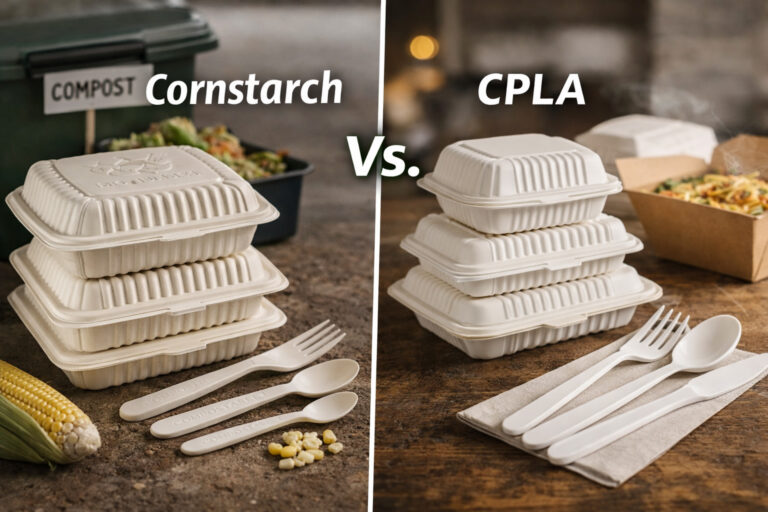
Environmentally friendly cutlery is typically made from renewable plant-based materials such as cornstarch, PLA, or sugarcane, making them biodegradable and compostable.
How long does it take for a PLA spoon to decompose?
Under industrial composting conditions, PLA spoons typically decompose within 90 to 180 days, depending on the environment and local composting facilities.
Are eco-friendly utensils safe for hot and cold foods?
Yes, high-quality eco-friendly utensils are designed to withstand both hot and cold foods without bending or breaking, making them suitable for various dining needs.
Disadvantages of Bagasse Containers
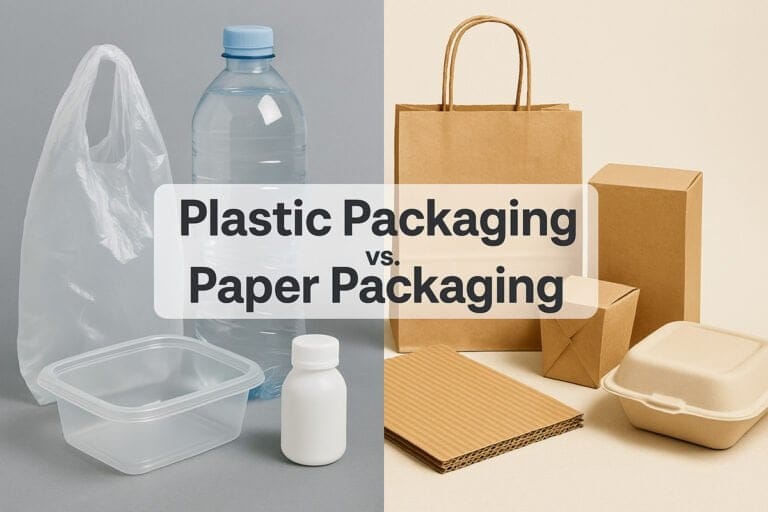
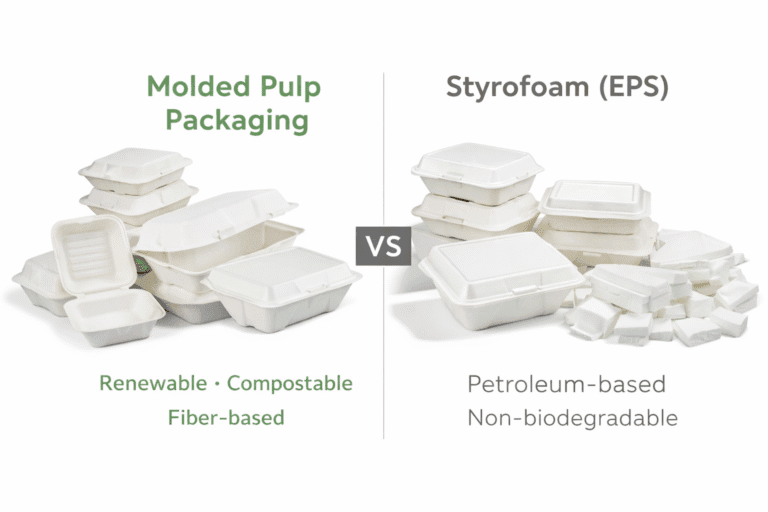
Higher Production CostsCompared to plastic, bagasse packaging is currently more expensive due to its production process and limited large-scale manufacturing facilities. Lower Barrier PropertiesBagasse does not provide the same level of moisture and oxygen barrier as plastic, which may impact food shelf life. Sugarcane Bagasse Food Container Bagasse Clamshell Boxes Containers Sugarcane Bagasse Takeout to Go Container Boxes Sugarcane Bagasse Takeout Containers What is a Plastic Container? Plastic food containers are made from petroleum-based polymers such as polyethylene (PE), polypropylene (PP), and polyethylene terephthalate (PET) , reusable vs disposable packaging.
Comparison Table: Bagasse vs. Plastic Containers
Feature Bagasse Containers Plastic Containers Material Sugarcane byproduct (renewable) Petroleum-based (non-renewable) Durability Sturdy but less moisture-resistant Highly durable and moisture-resistant Biodegradability 100% biodegradable (60-90 days) Takes hundreds of years to decompose Compostability Industrial and home compostable Not compostable Microwave Safe Yes Some types are microwave-safe Portability Lightweight and strong Lightweight and strong Cost Higher than plastic Low production cost Environmental Impact Low carbon footprint, reduces waste High pollution, contributes to microplastics Future Trends of Takeaway Food Packaging The future of takeaway food packaging is shifting toward sustainability-driven innovations. Several emerging trends indicate a move away from single-use plastics: Increased Use of Biodegradable Materials – Governments and businesses are adopting bagasse, bamboo fiber, and plant-based bioplastics to replace conventional plastic — reusable vs disposable packaging. Reusable and Returnable Packaging – Circular economy models encourage reusable containers to minimize waste. Edible Packaging Solutions – Researchers are exploring edible packaging made from algae, seaweed, and starch to further reduce waste — reusable vs disposable packaging.