PLA Vs PHA Vs PBAT Explained For Procurement Teams | Bioleader® Guide

Browse articles grouped under the "PLA vs PHA vs PBAT" tag for topic-specific information and examples. The featured articles may approach the topic from different product, material, application, market, or sourcing perspectives. Check each article for its exact scope, technical data, standards, sources, and recommendations.
PLA vs PHA vs PBAT — Content Overview
  • Featured articles shown: 12
  • Directly tagged articles: 2
  • Latest tagged article update: 2026-10-24
  • Coverage, examples, and specific recommendations vary by individual article.

Editor's Picks: Top Pla Vs Pha Vs Pbat Guides 2026

FAQ of Bioleader's Eco-friendly Disposable Tableware

Is PLA better than PBAT for food packaging?

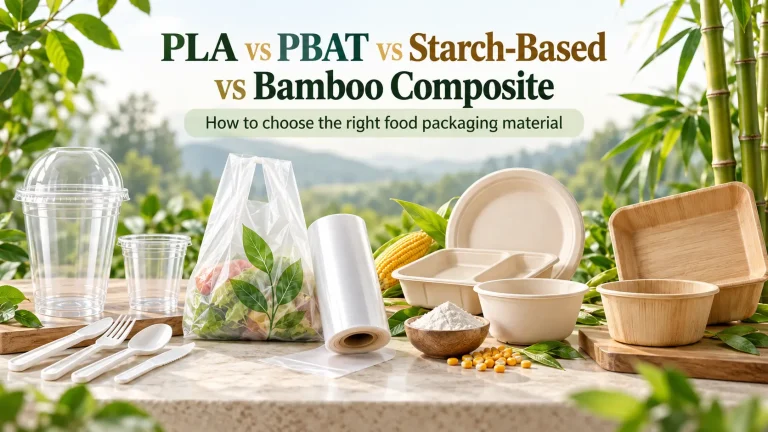
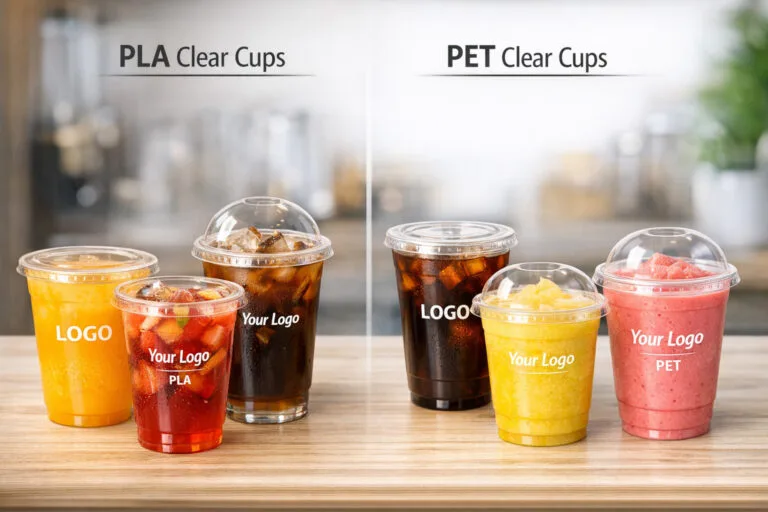
Neither material is universally better. PLA is generally more relevant for rigid and transparent applications such as cold beverage cups, while PBAT is valued for flexibility in films, bags and polymer blends. Buyers should choose according to the packaging function rather than treating both materials as direct substitutes.

Is PHA better than PLA for food packaging?

PHA may offer broader biodegradation potential than PLA, depending on the grade and environment, but it is not automatically better for every food packaging application. PLA is more commercially mature for clear cold cups, while PHA still faces cost, scale and processing challenges in mainstream foodservice packaging.

Is PBAT plant-based because it is biodegradable?

No. Biodegradability and feedstock origin are separate properties. Commercial PBAT has traditionally been produced mainly from petrochemical feedstocks even though its chemical structure can biodegrade under suitable conditions. A supplier should provide separate evidence if renewable or bio-based carbon content is part of the purchasing specification.

What is the difference between PLA, PHA and PBAT?

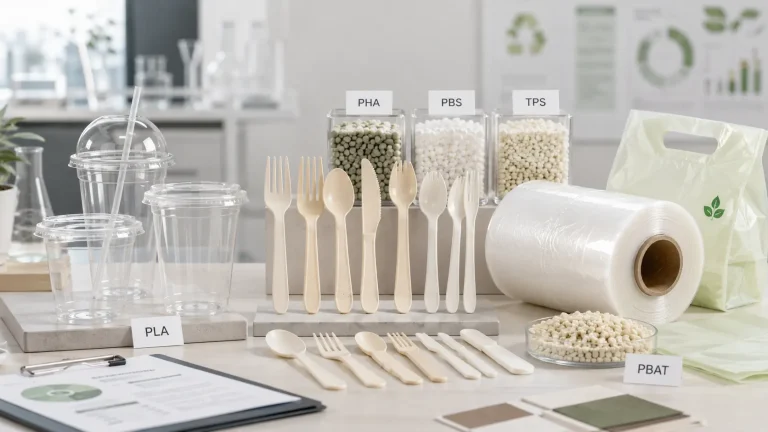
PLA is usually bio-based, rigid and clear, making it suitable for cold cups and transparent food packaging. PHA is a microbial polyester with broader biodegradation potential but higher cost and limited scale. PBAT is flexible and biodegradable, but it is usually fossil-based and commonly used in films, bags and blends.

Is PBAT bio-based or biodegradable?

PBAT is biodegradable under suitable conditions, but it is usually fossil-based rather than bio-based. This is why buyers should not describe PBAT products as plant-based unless the supplier provides clear bio-based content evidence. PBAT is mainly valued for flexibility in films, bags and blend systems.

Related Insights

🚀Ready to Go Green and Choose ?

Join the global movement toward zero-waste packaging.


Bioleader® offers:

  • 📦 Bulk order support & fast delivery

  • ✍️ Custom branding and OEM solutions

  • 🌍 Worldwide eco-packaging compliance

Get the Catalogue Products List  & Contact Us Now! 👉

Contact Us for Quote

Click or drag files to this area to upload.You can upload up to 5 files.
The more details you share, the faster and more accurate our quotation will be.