PLA Hot Food: Key Advantages Explained | Bioleader®

Actionable coverage of PLA hot food: eco-friendly, biodegradable, compostable materials, performance data, and compliance under EN13432 & ASTM D6400. Includes BPI/TÜV references and Food-Contact Tested guidance for safe deployment. Buyer-focused: manufacturer insights, bulk/wholesale buying playbooks, OEM/ODM customization tips, full size range selection.
Quick Summary:
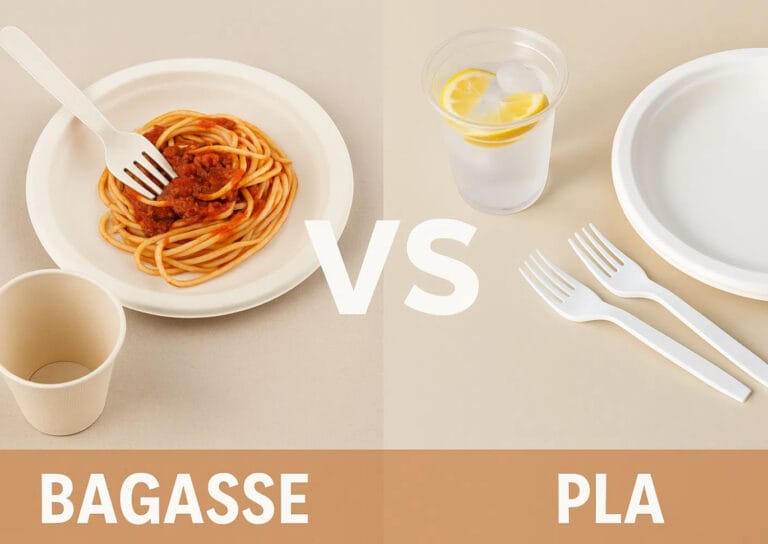
PLA (Polylactic Acid) is a plant-based, compostable material designed primarily for cold or low-temperature food applications.
Due to its low heat resistance (typically softening above 45–55°C), PLA is not suitable for hot food, hot liquids, steam-heavy meals, or microwave reheating.
Using PLA in high-temperature food scenarios can lead to container deformation, leakage, food safety concerns, and customer complaints.
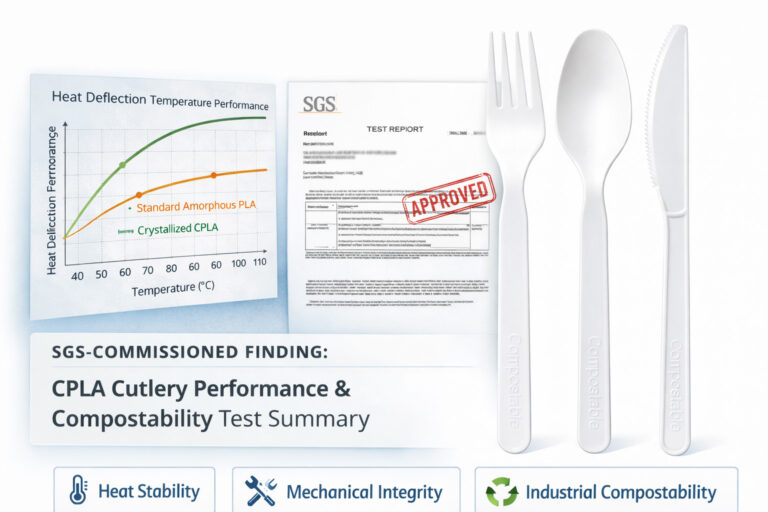
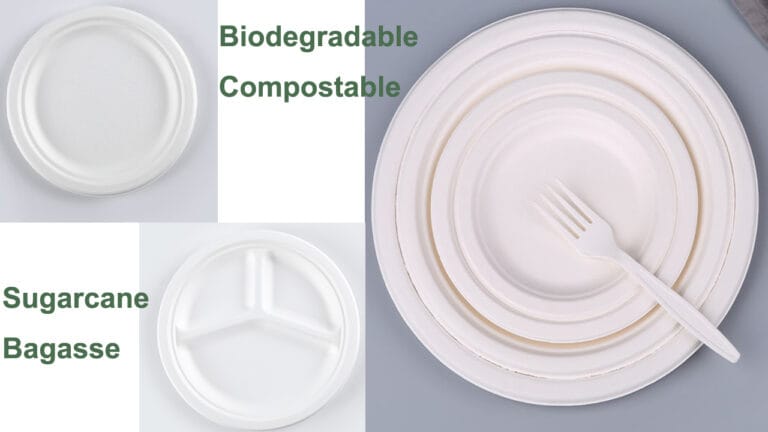
For hot food packaging, fiber-based materials such as sugarcane bagasse, molded pulp, PFAS-free coated paper, and heat-resistant CPLA (for limited use) are significantly more reliable choices.
PLA hot food — Quick Summary
  • Items displayed (articles): 12
  • Last updated: 2025-12-23
  • Includes test data, compliance guides, buyer FAQs, and real-world use cases.

Editor’s Picks: Top Pla Hot Food Guides 2026

FAQ of Bioleader's Eco-friendly Disposable Tableware

Food Delivery

The matching lid helps protect food during short-distance transport. It is a dependable option for restaurants and cloud kitchens that need cleaner presentation and better takeaway functionality.

1. What materials are commonly used for takeaway containers with lids?

Takeaway containers are made from a variety of materials including sugarcane bagasse, kraft paper, PLA bioplastics, PP plastic, and aluminum. For eco-friendly applications, compostable bagasse and PLA are the most sustainable choices.

Why Customers Love Sugarcane Fiber Bowls:

Sustainability at the Core: An increasing number of customers are turning to bagasse bowls since it is the best eco-friendly option for low-effort everyday life such as normal feeding, conducting parties, and even for takeout. Practical for a Wide Range of Foods: Not one food is left out, these biodegradable bowls work well with all types of food! Be it, salads, soup or even takeout, experience excellent performance. A Safe Choice: With the worry about food containers that might be laden with harmful chemicals, sugarcane bowls become the better option for these consumers as the containers are free from such ingredients.

Steam and Moisture Amplify the Problem

Steam-heavy foods trap heat inside sealed containers, raising internal temperatures even further. Even foods that are not extremely hot can exceed PLA’s tolerance due to retained moisture and pressure — PLA hot food. Food Safety, Compliance, and Brand Risk , PLA hot food.

Heat Deformation in Real-World Conditions

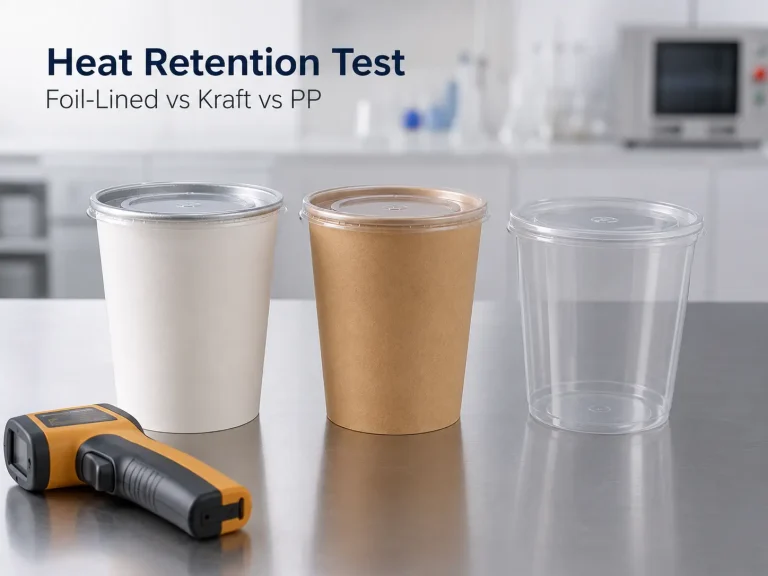
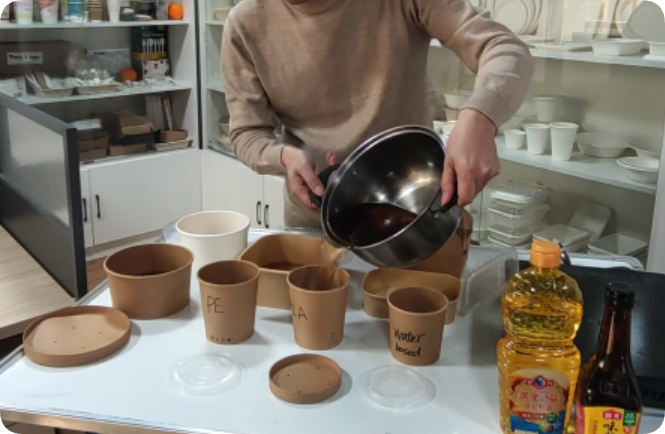
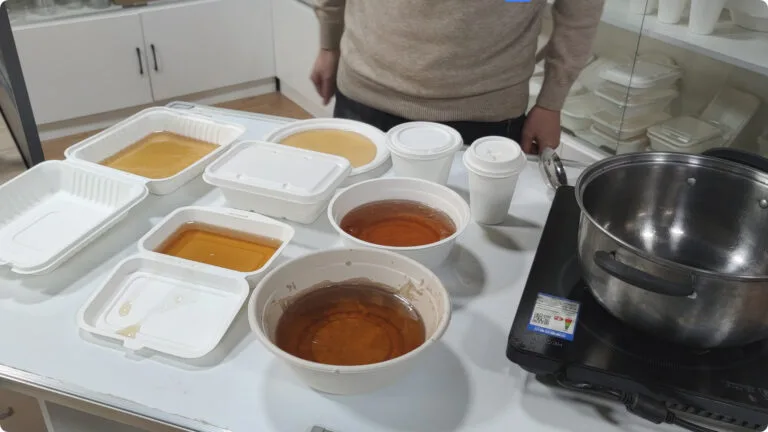
https://www.bioleaderpack.com/wp-content/uploads/2025/12/Heat-Resistance-Test-PET-vs-PP-vs-PLA-vs-Cornstarch-vs-Paper-vs-Bagasse-Cups.mp4 In practical foodservice use, PLA exposed to heat often shows: Warping of cups or bowls Lid distortion and seal failure Loss of rigidity under food weight Increased risk of leakage and spills These failures are not manufacturing defects; they are predictable outcomes based on polymer physics , PLA hot food.

Related Insights

🚀Ready to Go Green and Choose ?

Join the global movement toward zero-waste packaging.


Bioleader® offers:

  • 📦 Bulk order support & fast delivery

  • ✍️ Custom branding and OEM solutions

  • 🌍 Worldwide eco-packaging compliance

Get the Catalogue Products List  & Contact Us Now! 👉

Contact us Below

Click or drag files to this area to upload.You can upload up to 5 files.
The more details you share, the faster and more accurate our quotation will be.