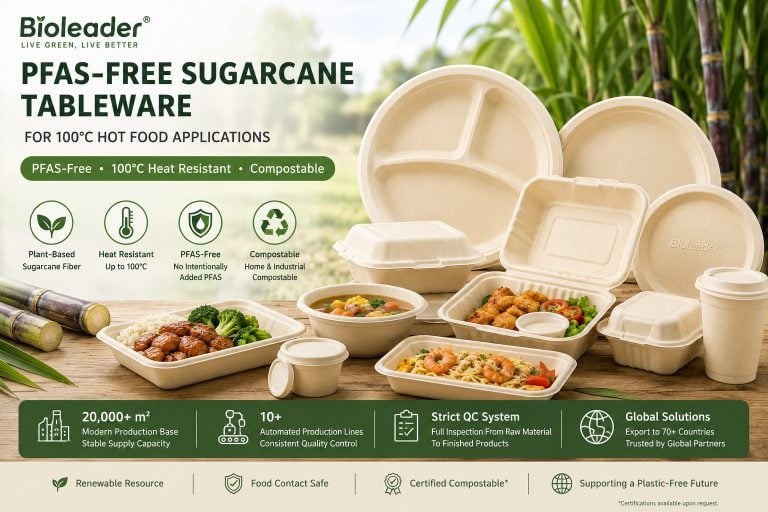
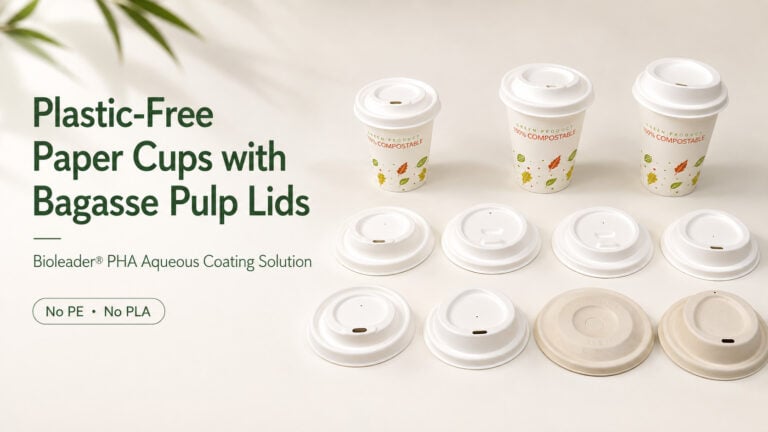
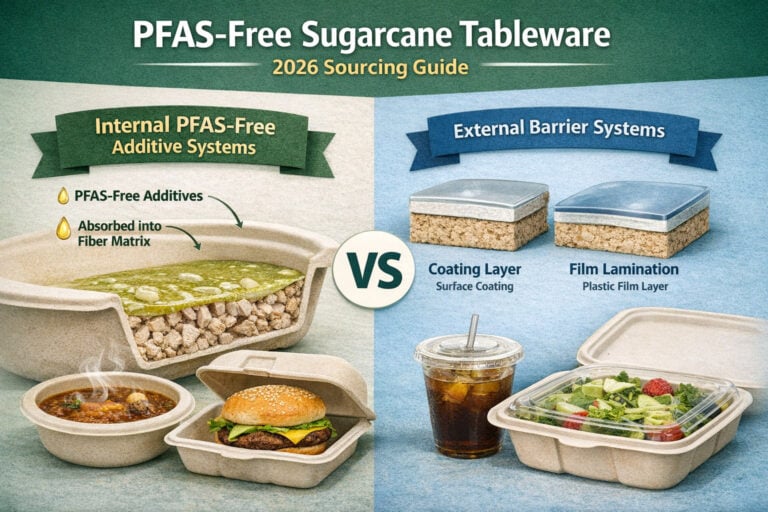
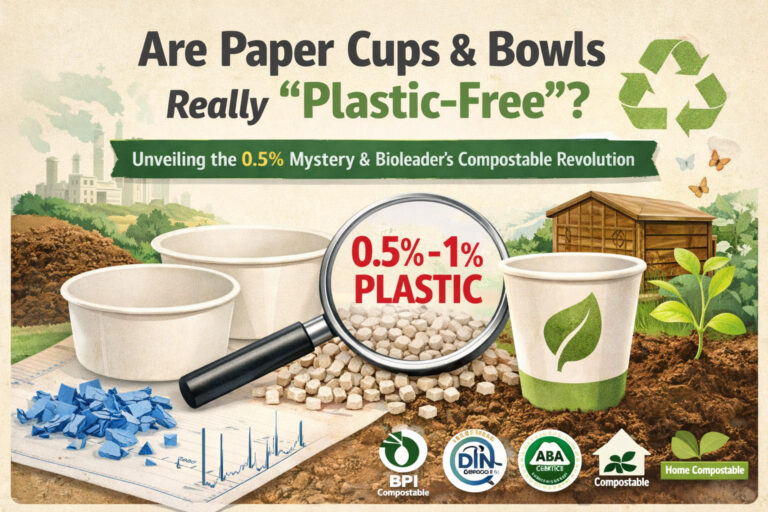
Highlights from featured articles under this tag:


Some PFOA-free food containers may be suitable for hot and oily foods, but buyers should verify heat resistance, oil resistance, leakage performance, coating type, and finished-product testing before use.
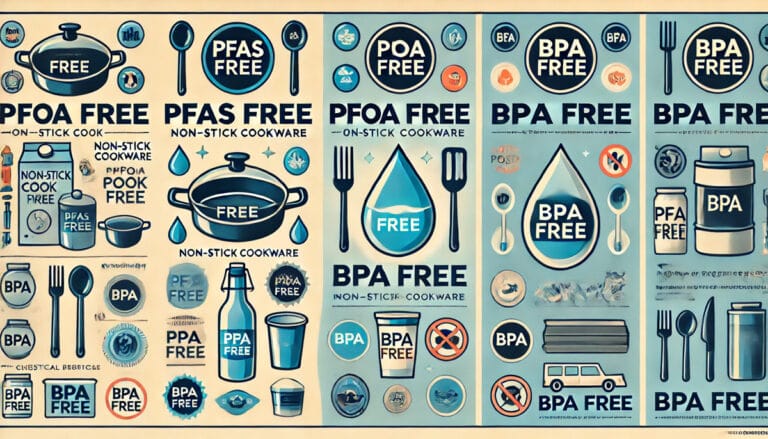
No. PFOA-free is narrower than PFAS-free. PFOA is only one PFAS compound, while PFAS refers to a broader family of fluorinated chemicals. A product can be PFOA-free but still contain other PFAS unless a broader PFAS-free claim is verified.
No. PFOA and BPA are different chemical concerns. PFOA is a PFAS compound, while BPA is bisphenol A and is mainly associated with certain plastics and resins. A product may need separate verification for PFOA-free, PFAS-free, and BPA-free claims.
PFOA-free means that a product does not contain perfluorooctanoic acid. PFOA is one specific chemical within the broader PFAS family and was historically associated with non-stick coatings, stain-resistant treatments, and certain industrial uses.
No. PFOA-free is a chemical claim, while compostable is an end-of-life claim. Compostability must be verified separately through recognized standards, certification, and local composting conditions.
Join the global movement toward zero-waste packaging.
Bioleader® offers:
📦 Bulk order support & fast delivery
✍️ Custom branding and OEM solutions
🌍 Worldwide eco-packaging compliance
Get the Catalogue Products List & Contact Us Now! 👉