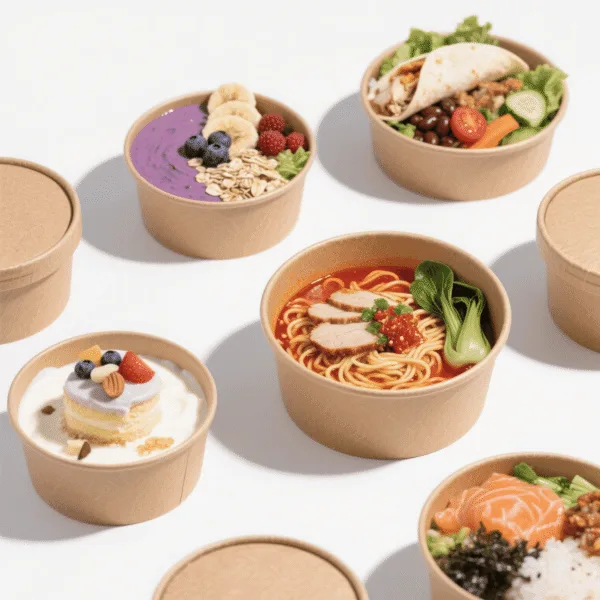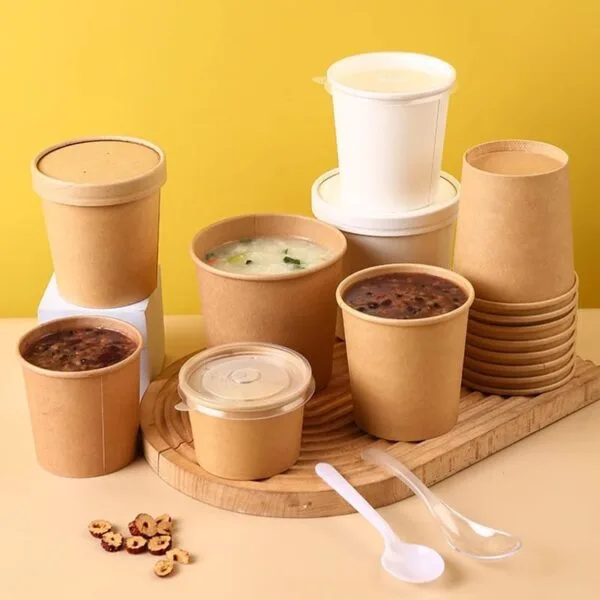










Quick Summary: Why Kraft Paper Food Containers Matter
Kraft paper food containers are widely used for takeaway, delivery, catering, supermarkets, and foodservice packaging because they combine natural appearance, strong structure, leak-resistant design, and flexible lid compatibility.
Best applications: salads, grain bowls, soups, noodles, rice dishes, fried foods, desserts, meal-prep packaging, and ready-to-eat food retail.
Buyer note: The best kraft paper container is not chosen by appearance alone. Buyers should check paperboard weight, coating type, lid fit, oil resistance, heat resistance, printing requirements, food-contact documents, and end-of-life claims before bulk purchasing.
This guide explains why kraft paper food containers are gaining momentum, what makes them practical for modern foodservice, how they compare with other packaging materials, and what B2B buyers should check before placing orders.
Pioneer Practitioner of Sustainable Food Packaging
The rise of Kraft paper food containers reflects a broader transformation in food packaging. For years, disposable packaging was mainly judged by cost and convenience. Today, buyers also evaluate material sourcing, plastic reduction, recyclability, compostability, food safety, and customer perception.
Kraft paper is valued because it has a natural, fiber-based appearance and can be used across many packaging formats. Depending on the product design, kraft containers may be combined with PE lining, PLA lining, water-based coating, or other food-safe barrier solutions. This flexibility allows brands to choose different structures for different markets, budgets, and food applications.
For B2B buyers, the environmental value of kraft paper food containers should be evaluated carefully. A container may look “eco-friendly,” but real sustainability depends on three practical factors: whether the raw material is responsibly sourced, whether the coating or liner is suitable for the target disposal pathway, and whether local recycling or composting systems can actually process the used packaging.
In other words, kraft paper packaging is not just a product trend. It is a practical step toward more transparent, material-conscious, and regulation-ready food packaging.
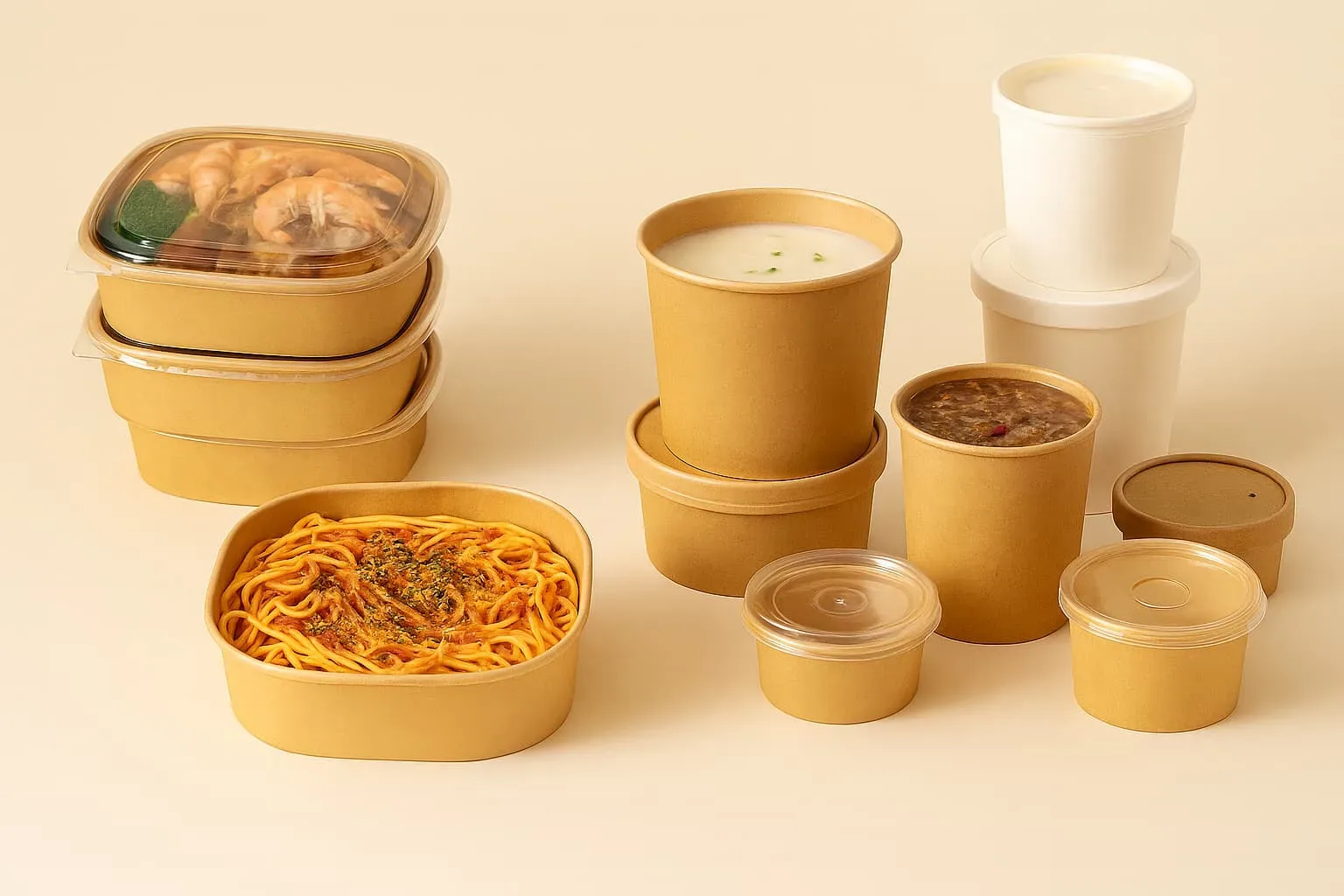
What Are Kraft Paper Food Containers Made Of?
Kraft paper food containers are usually made from food-grade kraft paperboard. The paperboard gives the container its natural appearance and structural strength. To hold wet, oily, or hot food, the inner surface is often treated with a functional barrier layer.
Common Material Structures
| Structure | Main Feature | Best Use Case |
|---|---|---|
| Kraft paper + PE lining | Strong leak resistance and cost efficiency | General takeaway, salads, rice bowls, noodles, oily foods |
| Kraft paper + PLA lining | Plant-based lining option for compostable packaging programs | Eco-focused restaurants, catering, and markets with composting infrastructure |
| Kraft paper + water-based coating | Plastic-reduction barrier option | Brands seeking lower-plastic paper packaging solutions |
| Kraft paper + matching paper lid | More paper-based packaging appearance | Salads, cold meals, grain bowls, and eco-branding projects |
| Kraft paper + PET / PP lid | Clear display or stronger heat-use functionality | Retail display, hot food delivery, soups, and ready meals |
This is why professional buyers should not only ask for “kraft paper containers.” They should also confirm the paper weight, coating, lid material, temperature range, food-contact test report, and target use scenario.
From Fiber Packaging to Modern Food Containers
Kraft paper food containers belong to a wider family of fiber-based food packaging. In many foodservice programs, kraft paper bowls, bagasse clamshells, paper soup cups, and molded fiber trays are used together to replace foam or conventional plastic packaging.
This is also why buyers often compare kraft paper with sugarcane bagasse. Kraft paper is strong for branding, printing, and flexible bowl formats, while bagasse offers molded-fiber rigidity for clamshells, trays, and compartment containers. A well-designed packaging system may use both materials depending on food type.

Excellent Performance in Meeting Diverse Foodservice Needs
For the fast-paced catering and takeaway industry, packaging performance is not a small detail. A weak container can cause leakage, poor presentation, customer complaints, and delivery losses. Kraft paper food containers are valuable because they can solve several practical problems at the same time.
- Efficient and convenient operation: Foodservice teams need containers that can be filled, closed, stacked, and handed over quickly. Kraft paper food containers are lightweight, easy to store, and suitable for high-volume service during lunch rushes, delivery peaks, and event catering.
- Adaptable to hot and cold foods: Kraft containers can be used for salads, pasta, rice bowls, desserts, noodles, soups, snacks, and light meals. For hot foods, buyers should choose the correct paperboard and lining structure. For cold foods, transparent PET lids can improve visual presentation and retail appeal.
- Leak-resistant protection: Food preservation and leakage prevention are critical for delivery packaging. A suitable liner, stable bottom design, and matching lid can help reduce sauce leakage, moisture absorption, and sidewall softening.
- Better user experience: The wide opening of many kraft bowls makes food filling faster and allows customers to eat directly from the container. Clear lids can help consumers see the food inside, while paper lids create a more natural and eco-focused brand impression.
- Stacking and transport stability: Kraft paper containers are commonly designed to stack efficiently in storage, on shelves, and inside delivery bags. This helps restaurants save space and reduce packaging handling problems.

Wide Application Scenarios for Kraft Paper Food Containers
Kraft paper food containers are used across many foodservice formats because they balance practicality, presentation, and sustainability. They are not limited to one food category; instead, they can support a complete takeaway packaging strategy.
1. Fast Food and Simple Meals
In fast food and casual dining, speed matters. Kraft paper containers can be used for fried rice, noodles, burgers, fries, pasta, grilled foods, snacks, and mixed meals. Their convenient filling and closing process helps improve service efficiency during peak hours.
2. Salad and Light Meals
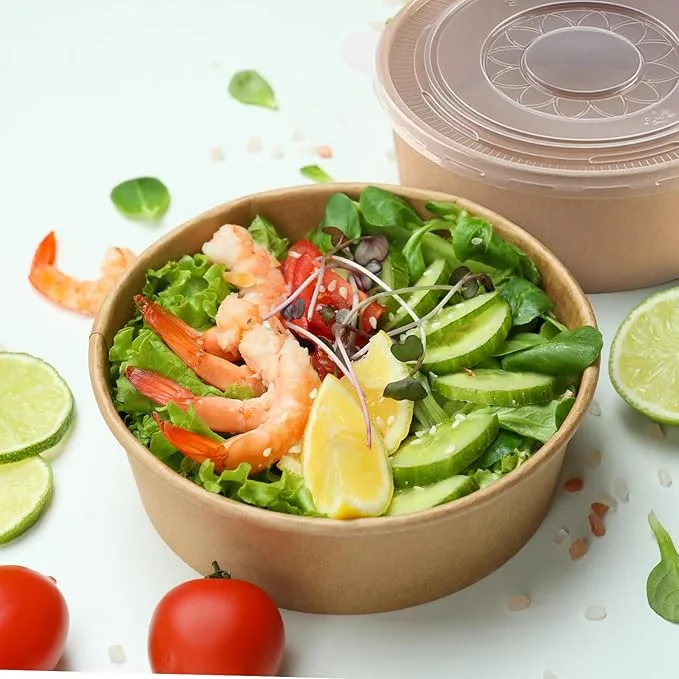
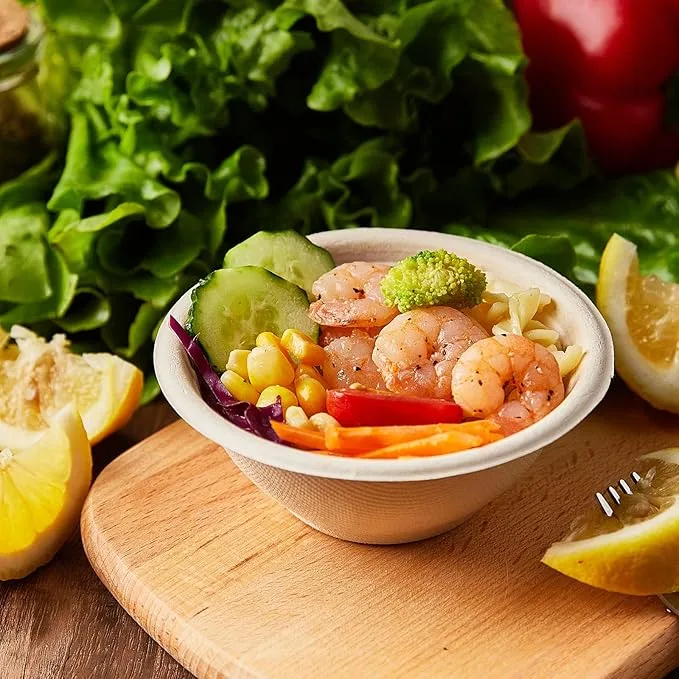
With the growth of healthy eating, salad bowls, grain bowls, fruit bowls, and light meals are becoming more popular. The transparent lid of kraft paper food containers allows consumers to clearly see the ingredients, improving appetite and purchase confidence.
3. Takeaway and Delivery
In the delivery market, packaging must survive movement, stacking, waiting time, and temperature changes. Kraft paper food containers with suitable lids can help reduce leakage, keep meals presentable, and improve customer satisfaction after delivery.
4. Supermarket and Ready-to-Eat Retail
Supermarkets and convenience stores use kraft containers for prepared salads, cold noodles, deli foods, fruit, desserts, and ready meals. Kraft paper gives a natural shelf appearance, while clear lids support product visibility.
5. Catering, Events, and Corporate Meals
Catering companies need packaging that looks professional and handles volume efficiently. Kraft paper containers are suitable for boxed meals, individual portions, buffets, business lunches, outdoor events, and eco-conscious gatherings.
Kraft Paper Containers vs Other Food Packaging Materials
Choosing food packaging is not about finding one universal material. Different materials perform better in different situations. Kraft paper food containers are strongest when food brands need a balance of natural appearance, branding flexibility, leak resistance, and lower plastic perception.
| Packaging Material | Main Advantages | Limitations | Best Applications |
|---|---|---|---|
| Kraft paper containers | Natural look, good branding, flexible sizes, suitable for hot and cold food | Barrier layer must match food type and disposal target | Salads, rice bowls, noodles, soups, takeaway meals, deli foods |
| White paper containers | Clean appearance, better full-color printing, premium visual effect | Less natural kraft-style appearance | Branding-heavy restaurants, retail display, printed packaging |
| Bagasse containers | Rigid molded fiber, strong for clamshells and trays, plastic-free look | Printing and transparency are limited | Takeaway meals, trays, plates, clamshells, compartment boxes |
| Plastic containers | Clear visibility, tight sealing, strong moisture barrier | Plastic-reduction pressure and weaker sustainability image | Cold display foods, deli packaging, high-visibility retail items |
| Foam containers | Low cost and insulation | Poor environmental perception and increasing restrictions | Legacy hot-food packaging where still allowed |
Buyer Checklist: How to Choose Kraft Paper Food Containers
For restaurants and packaging distributors, choosing the right kraft paper container requires more than checking size and price. The following checklist helps reduce procurement risk.
| Buyer Question | Why It Matters |
|---|---|
| What is the food type? | Salads, soup, oily rice, noodles, and desserts require different barrier performance. |
| What coating or lining is used? | PE, PLA, and water-based coatings have different cost, heat, and disposal implications. |
| Which lid is required? | PET lids support display; PP lids are better for hot applications; paper lids support paper-based branding. |
| Is the container used for microwave reheating? | Buyers should confirm microwave guidance and heat-resistance data before using containers for hot reheating. |
| Does the supplier provide food-contact documents? | Importers and food brands need documentation for regulatory and customer requirements. |
| Can the packaging be customized? | Custom logo printing, carton marking, and private-label packaging support brand differentiation. |
| What is the real MOQ and container loading plan? | Bulk purchasing should consider SKU mix, carton size, 20ft/40HQ loading, and landed cost. |
Bioleader® Kraft Paper Food Container Solutions
Bioleader® supplies kraft paper bowls, paper food containers, paper soup cups, salad bowls, takeaway bowls, and matching lids for global foodservice and packaging buyers. The product range supports restaurants, distributors, supermarkets, catering companies, meal-prep brands, and private-label packaging projects.
As a B2B supplier, Bioleader® focuses not only on selling containers, but also on helping buyers choose the right packaging structure for real food applications. This includes material selection, coating choice, lid matching, carton packing, custom printing, export documentation, and bulk order planning.
Core Advantages for Buyers
- Multiple material options: kraft paper, white paperboard, PE lining, PLA lining, and water-based coating options depending on project needs.
- Complete lid system: paper lids, PET lids, PP lids, and other matching options for hot and cold food applications.
- Custom branding: logo printing, packaging customization, carton design, and private-label support.
- B2B export support: product specifications, food-contact documents, container loading guidance, and order planning.
- Application matching: recommendations based on food type, temperature, sauce level, delivery time, and target market.
Work Together to Create a Greener Food Packaging Future
The emergence of kraft paper food containers has brought both new opportunities and new responsibilities to the catering industry. For merchants, choosing kraft paper food containers is not only about replacing plastic; it is also about improving brand image, customer experience, regulatory readiness, and long-term packaging strategy.
We believe that with growing awareness of environmental protection, kraft paper food containers will occupy an increasingly important position in foodservice packaging. They offer a practical balance between performance and sustainability, making them suitable for real commercial use rather than only environmental storytelling.
Every packaging choice sends a message. For food brands, the best choice is packaging that protects the meal, supports operational efficiency, satisfies customers, and reduces unnecessary plastic dependence. Kraft paper food containers can help businesses move toward that future step by step.
FAQ: Kraft Paper Food Containers
1. What are kraft paper food containers used for?
Kraft paper food containers are used for salads, soups, rice bowls, noodles, pasta, desserts, snacks, meal prep, takeaway, delivery, catering, and supermarket ready-to-eat foods.
2. Are kraft paper food containers suitable for hot food?
Yes, many kraft paper containers can be used for hot food when the correct paperboard, coating, and lid are selected. Buyers should confirm heat resistance and supplier guidance for each item.
3. Are kraft paper food containers leak-proof?
They can be leak-resistant when designed with the correct inner coating and matching lid. For soup, oily food, or long delivery times, buyers should test real food conditions before bulk orders.
4. Can kraft paper food containers be customized?
Yes. Kraft paper containers can usually support custom logo printing, private-label packaging, carton printing, and brand-specific design, depending on MOQ and printing method.
5. Are kraft paper containers compostable or recyclable?
It depends on the coating, food contamination level, and local waste-management system. Unlined or water-based coated paper may have different disposal options from PE- or PLA-lined products.
6. What lid options are available for kraft paper food containers?
Common lid options include PET clear lids, PP lids for hot applications, paper lids, and PLA lids. The best choice depends on food temperature, display needs, delivery time, and sustainability goals.
Conclusion: Kraft Paper Food Containers Are Reshaping Modern Food Packaging
Kraft paper food containers are no longer just a simple takeaway option. They have become a strategic packaging choice for restaurants, supermarkets, food delivery brands, caterers, and distributors that need practical performance and a stronger sustainability image.
Their value comes from a combination of natural appearance, foodservice functionality, lid compatibility, branding potential, and flexible material structures. However, professional buyers should still evaluate coating type, food-contact safety, heat resistance, leak resistance, end-of-life claims, and supplier documentation before ordering.
As food packaging continues to move toward lower-plastic, higher-performance, and more transparent solutions, kraft paper food containers will remain one of the key materials shaping the future of sustainable foodservice packaging.
References
- Bioleader®. Paper salad bowls and kraft paper food container product range, material options, sizes, and lid specifications.
- Bioleader®. Disposable soup bowls with lids: heat resistance, leak-proof lid, grease and oil resistance information.
- Bioleader®. Kraft soup bowls and cups product information, material structure, lid options, and foodservice applications.
- European Commission. Regulation on food-contact materials and packaging safety requirements.
- ASTM International. Compostability and packaging testing standards for foodservice materials.
- Bioleader®. Kraft paper packaging, food-contact documentation, OEM/ODM packaging support, and export product information.