Highlights from featured articles under this tag:


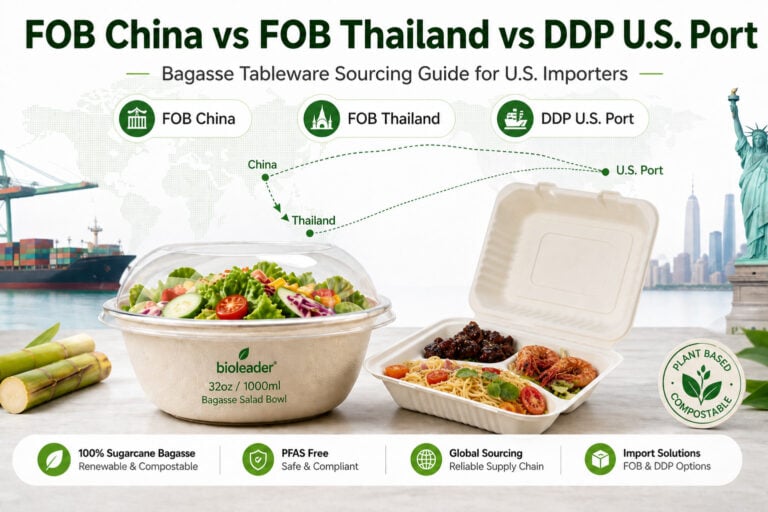
Yes, bagasse products can be exported to regulated markets when the specific item has the required food-contact, compostability, PFAS-related, and import documentation. Buyers should request product-specific reports rather than relying on material claims alone.
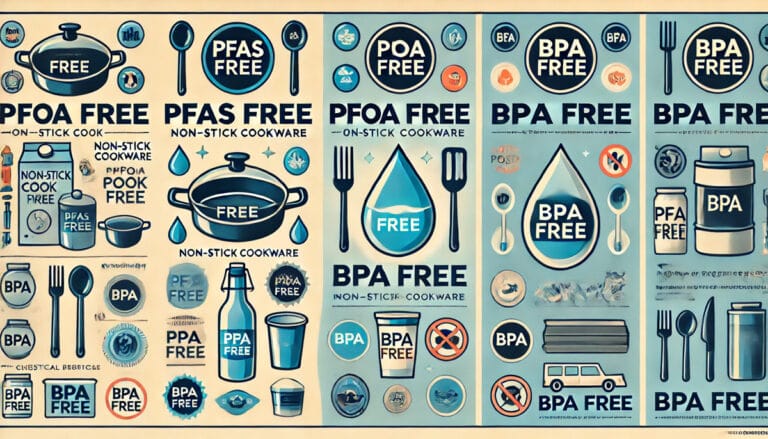
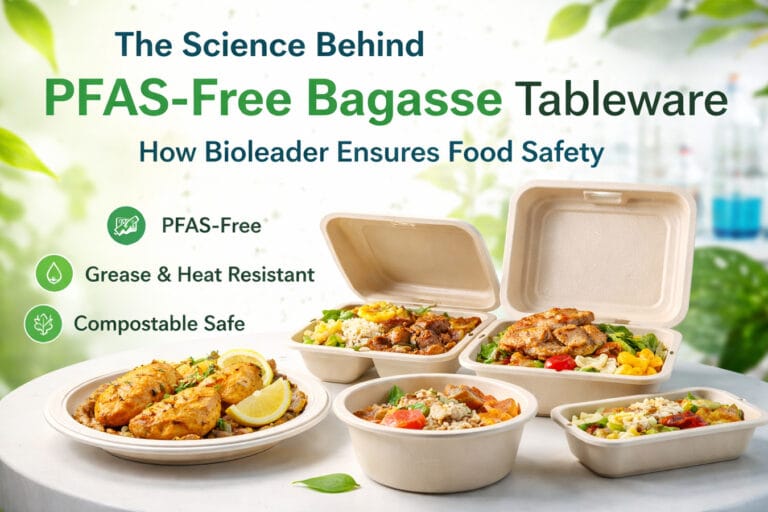
PFAS-free is broader than PFOA-free. PFOA-free only addresses one specific PFAS compound, while PFAS-free should address the broader class of PFAS or no intentionally added PFAS, depending on the claim and testing standard.
No. BPI’s fluorinated chemicals policy provides a strong compliance logic for relevant compostable products, including formula review, laboratory testing, and a no intentionally added fluorinated chemicals declaration. However, buyers should not treat any one certification as a universal substitute for full market review. A certification result must still be read together with SKU identity, destination market, product structure, and the supplier’s current documentation status.
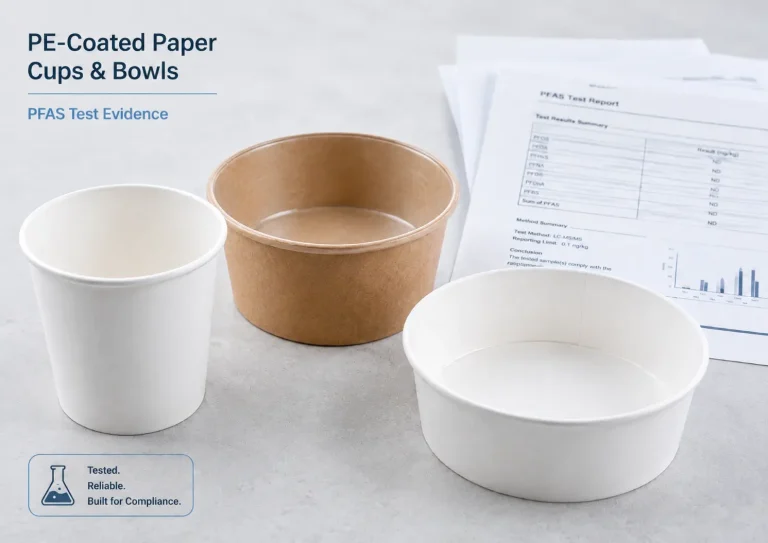
Not automatically. A non-detect result can be useful, but it depends on the analytical method, detection scope, and reporting framework. In procurement terms, “non-detect” should be treated as one element of the evidence package, not as a complete stand-alone conclusion. Buyers should still review what was tested, what was not tested, and how the result connects to the PFAS-Free claim being made.
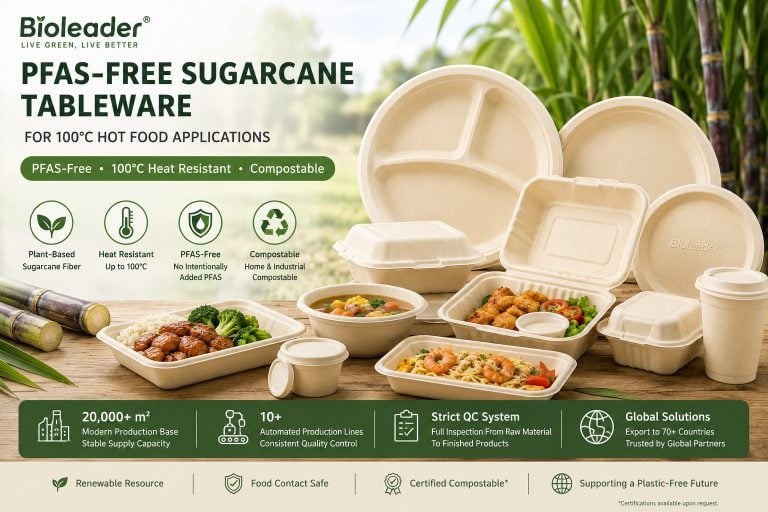
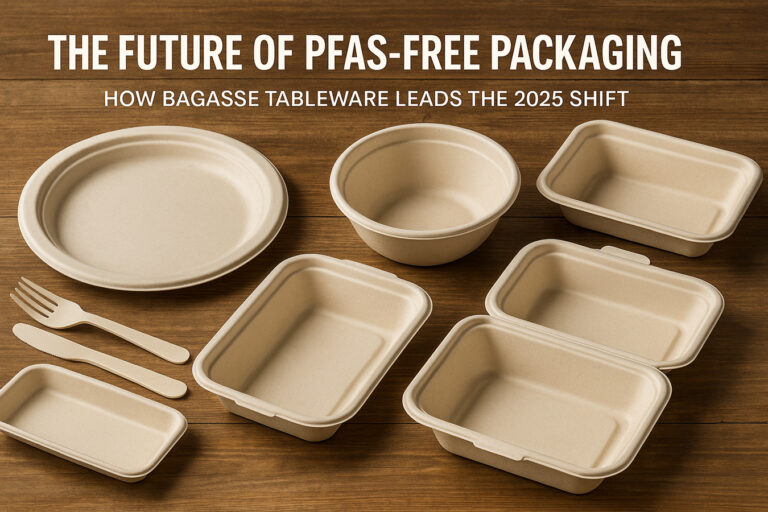
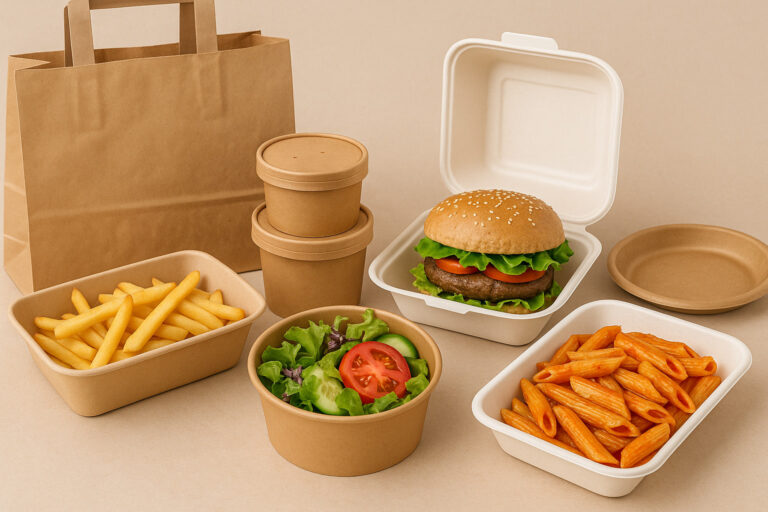
Bioleader® offers selected PFAS-free and BPA-free packaging options across bagasse, paper-based, cornstarch, and compostable tableware product lines. Buyers should request product-specific specifications and available test documents before confirming orders.
Join the global movement toward zero-waste packaging.
Bioleader® offers:
📦 Bulk order support & fast delivery
✍️ Custom branding and OEM solutions
🌍 Worldwide eco-packaging compliance
Get the Catalogue Products List & Contact Us Now! 👉