Highlights from featured articles under this tag:


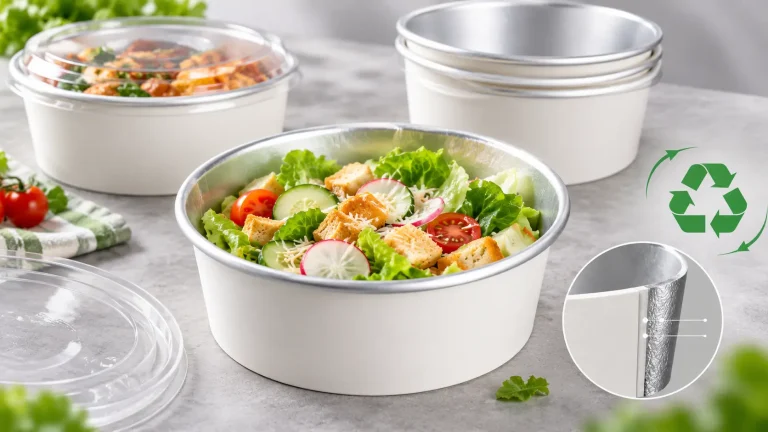
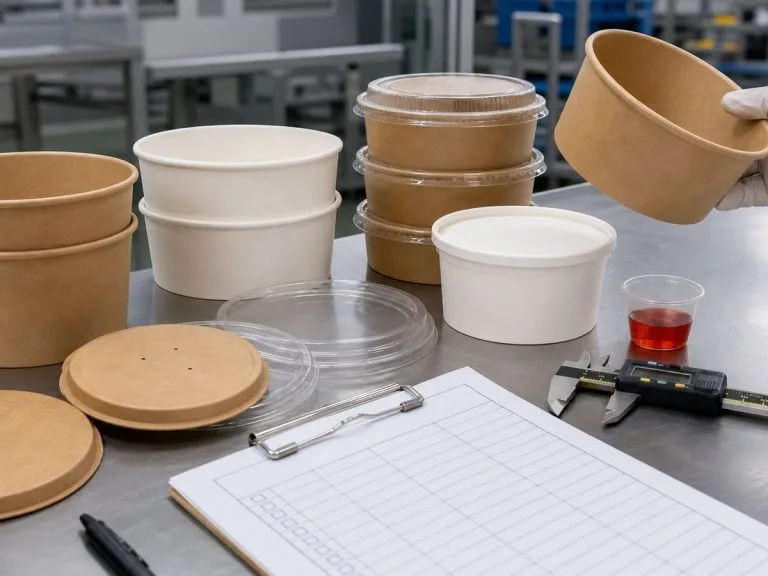
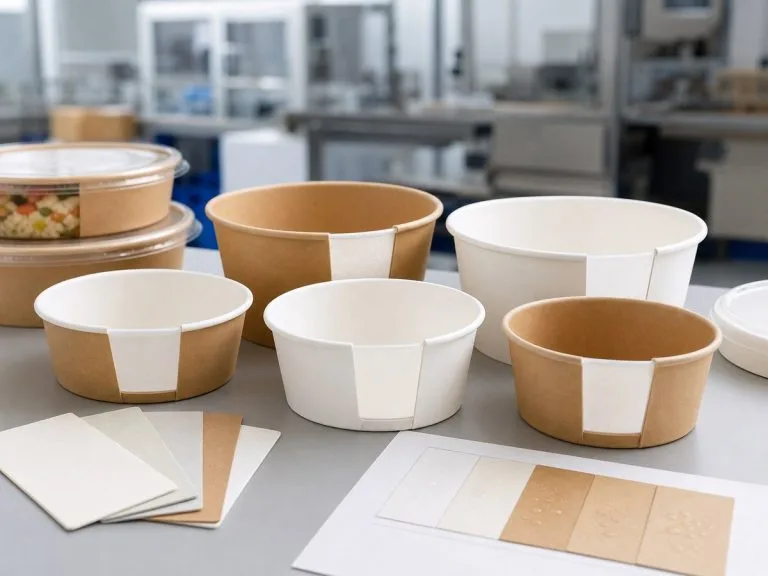
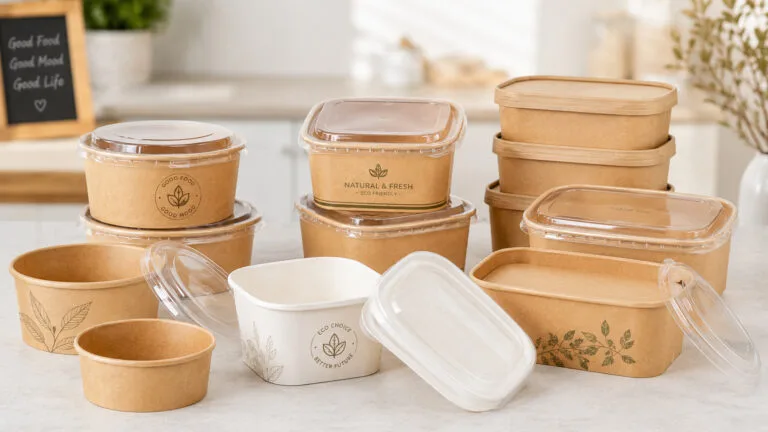
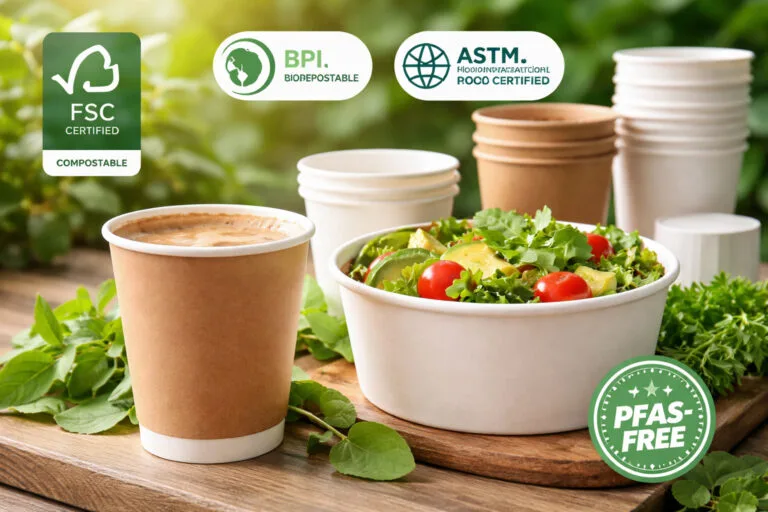
The base material is paperboard, but the final disposal claim depends on the lining and local waste system. PE-coated bowls are practical for standard foodservice use and may depend on local recycling capability. PLA-coated or aqueous-coated options are better choices when buyers need compostable or plastic-reduction packaging claims.
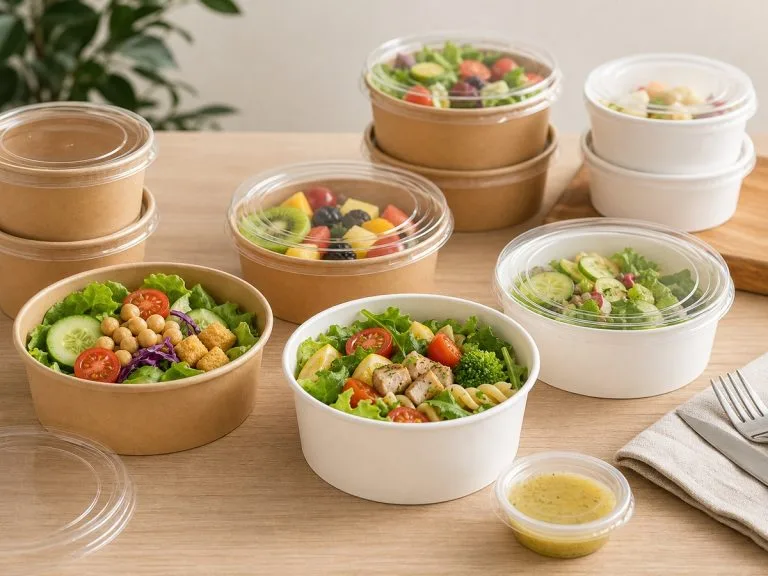
A 1000ml rectangular paper salad bowl is designed for large single-serve or meal portions. It is commonly used for salads, rice bowls, sushi-style meals, cold noodles, pasta, desserts, side dishes, and takeaway meals. For buyers building a wider rectangular bowl range, 1000ml can be paired with 500ml, 650ml, and 750ml rectangular paper bowls — paper bowl materials.
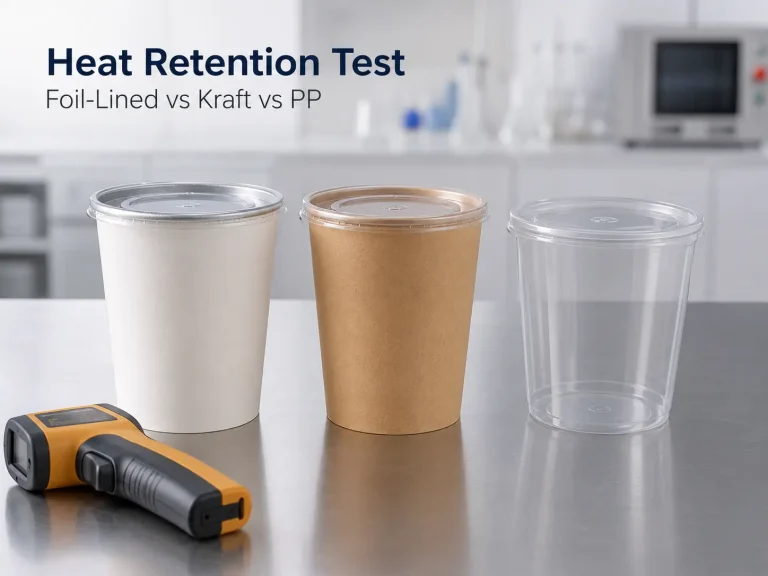
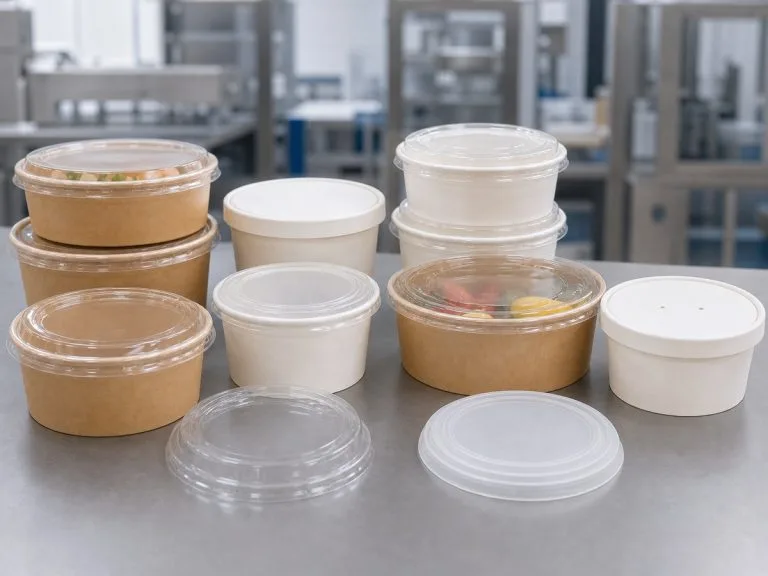
PP lids are recommended when the buyer needs stacking strength, takeaway handling, and delivery stability. PET lids are suitable when product visibility is important for chilled salads, supermarket display, deli counters, and grab-and-go food programs — paper bowl materials. The final choice should match menu type, display needs, transport distance, and brand positioning.
Paper bowls are primarily made from virgin or recycled paper pulp. Many also include a thin inner lining made of PLA (plant-based) or PE to resist moisture and grease.
Not all paper bowls are fully biodegradable , paper bowl materials. Only those made with natural fibers and compostable linings like PLA can break down completely in composting environments.
Join the global movement toward zero-waste packaging.
Bioleader® offers:
📦 Bulk order support & fast delivery
✍️ Custom branding and OEM solutions
🌍 Worldwide eco-packaging compliance
Get the Catalogue Products List & Contact Us Now! 👉