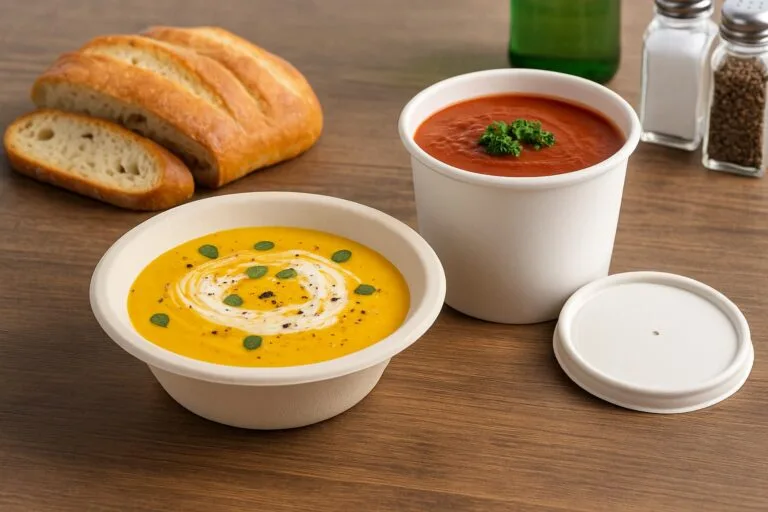
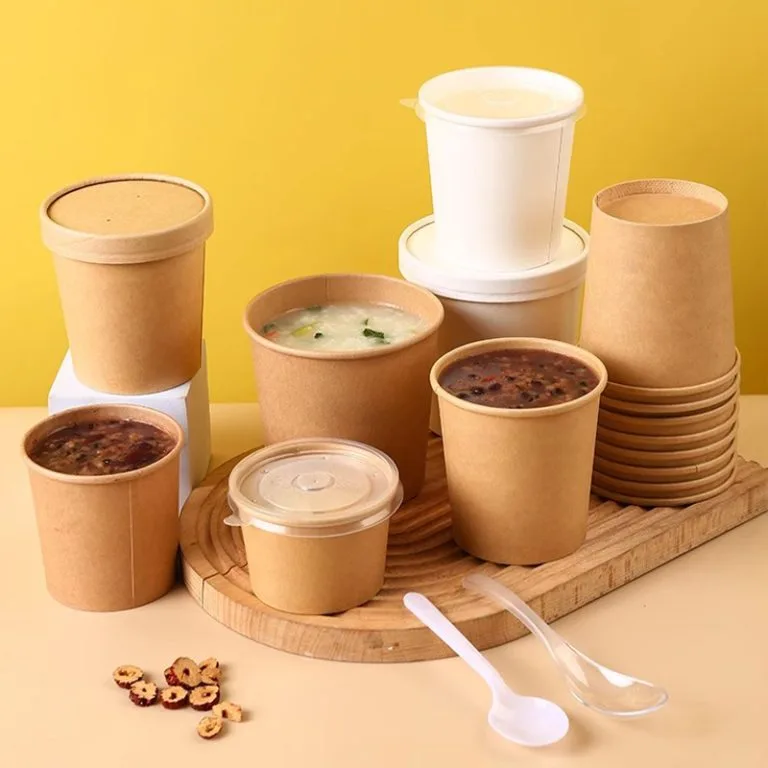
Non-toxic Dinnerware Vs Alternatives: Cost, Performance, Sustainability | Bioleader® Sustainable Packaging

Actionable coverage of Non-toxic dinnerware: eco-friendly, biodegradable, compostable materials, performance data, and compliance under EN13432 & ASTM D6400. Includes BPI/TÜV references and Food-Contact Tested guidance for safe deployment. Buyer-focused: manufacturer insights, bulk/wholesale buying playbooks, OEM/ODM customization tips, full size range selection.

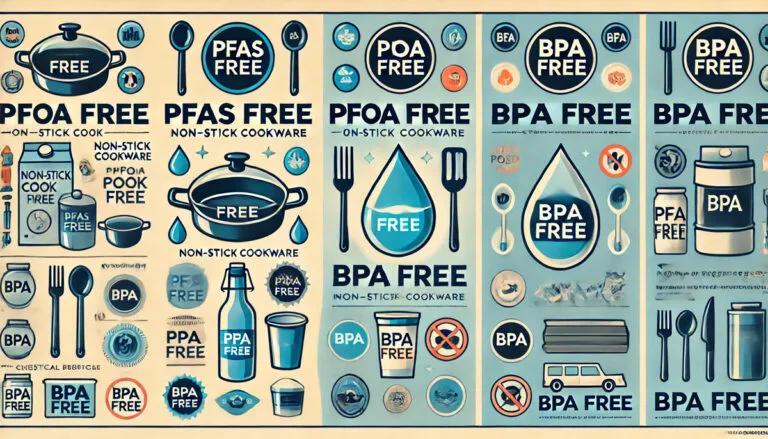
In today’s health-conscious world, the safety of everyday products—especially those that come in direct contact with our food—has never been more important. Dinnerware is a daily necessity, and the materials and chemicals used in its production can potentially have lasting effects on both human health and the environment. Increasingly, consumers encounter labels such as “PFAS-free,” “PFOA-free,” and “BPA-free” on cookware and dinnerware products. However, understanding what these labels truly mean and how they differ is essential for making informed purchasing decisions.

Non-toxic dinnerware — Quick Summary
  • Items displayed (articles): 12
  • Last updated: 2025-03-01
  • Includes test data, compliance guides, buyer FAQs, and real-world use cases.

Editor’s Picks: Top Non-toxic Dinnerware Guides 2025

FAQ of Bioleader's Eco-friendly Disposable Tableware

What are sugarcane bagasse molded pulp trays made from?

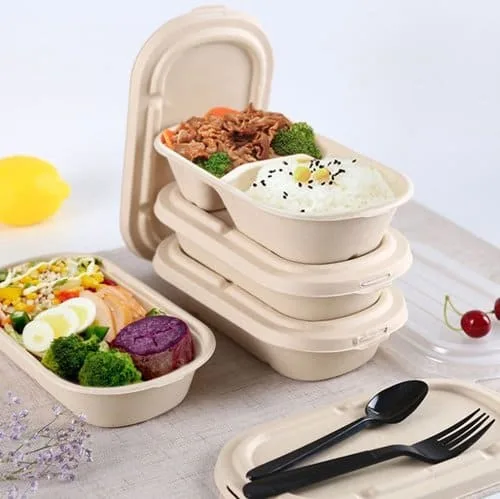
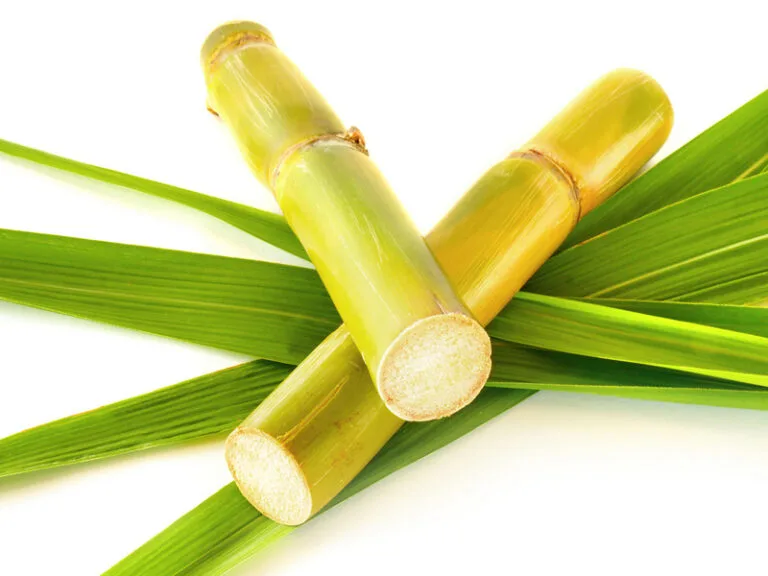
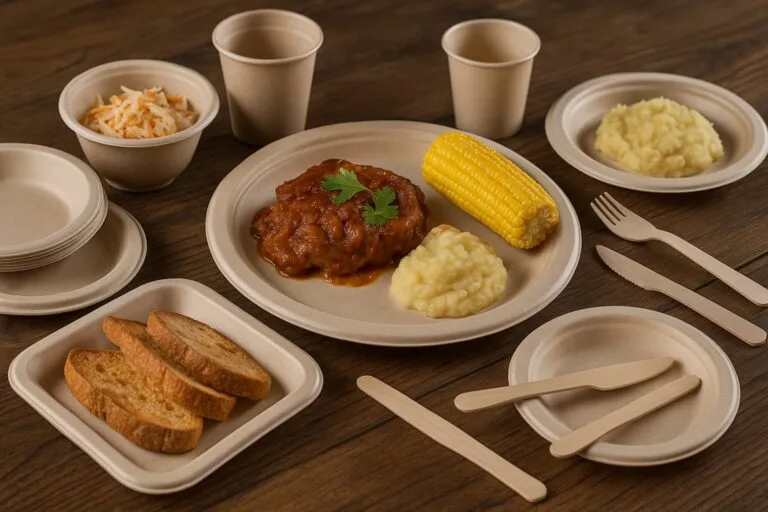
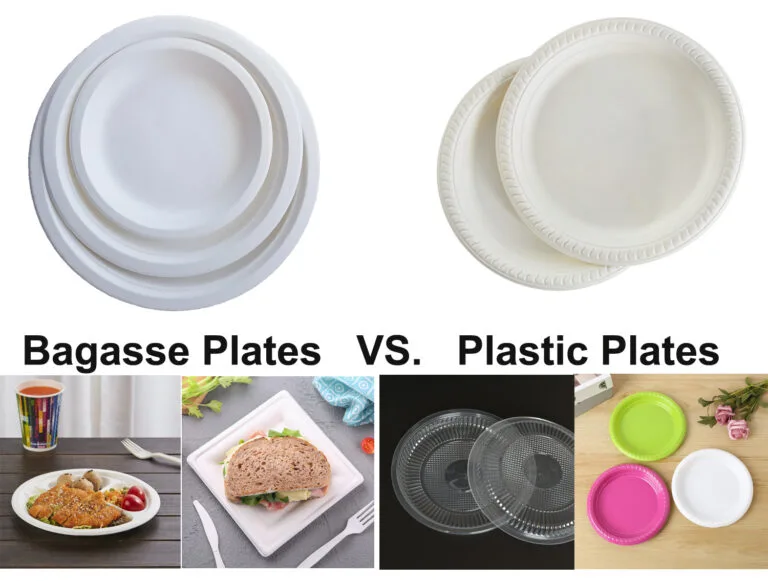
They are made from bagasse, the fibrous residue left after sugarcane stalks are crushed for juice. This agricultural waste is molded into strong, durable trays that are compostable, biodegradable, and plastic-free — Non-toxic dinnerware.

Are these trays microwave- and freezer-safe?

Yes. High-quality disposable trays made from bagasse or heat-resistant plastic are microwave-safe up to 120°C and freezer-safe down to -10°C , Non-toxic dinnerware. They are suitable for hot entrees, chilled items, and reheatable pre-packed meals — Non-toxic dinnerware.

What sizes and compartment options are available for bulk trays?

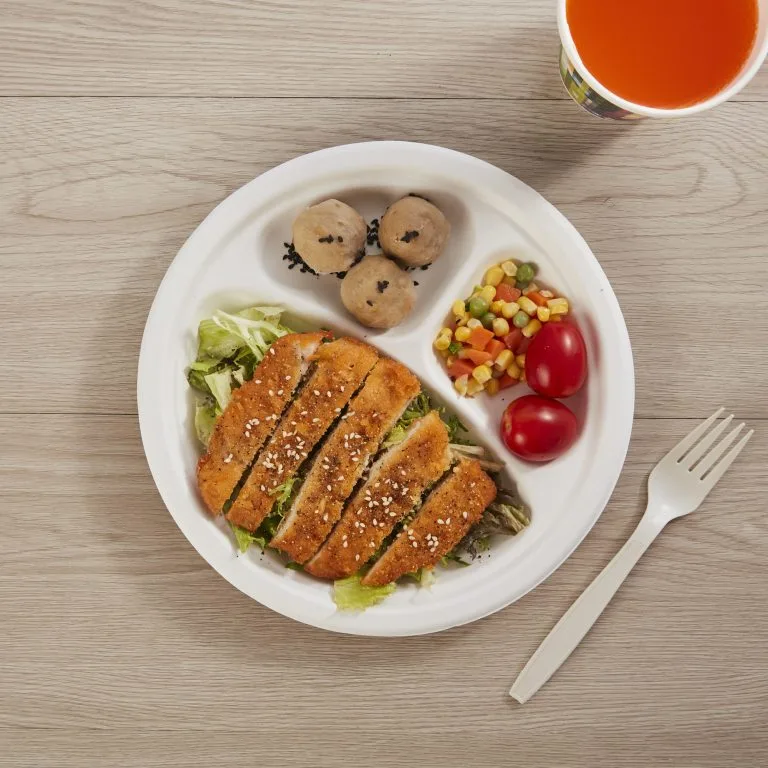
Disposable food trays are available in various sizes (from 500ml to 1500ml+) and configurations (1-compartment, 2-compartment, 3-compartment, or 5-compartment), providing flexibility for diverse meal types and portioning needs.

Is PFOA still used in modern food packaging?

No, PFOA has been largely phased out in many countries, but some imported or older products may still contain it. Always check for PFOA-free labeling.

Why should I choose PFAS-free dinnerware?

PFAS chemicals are known as “forever chemicals” and may persist in the body and environment. Choosing PFAS-free dinnerware helps reduce long-term health and ecological risks.

Related Insights

🚀Ready to Go Green and Choose ?

Join the global movement toward zero-waste packaging.


Bioleader® offers:

  • 📦 Bulk order support & fast delivery

  • ✍️ Custom branding and OEM solutions

  • 🌍 Worldwide eco-packaging compliance

Get the Catalogue Products List  & Contact Us Now! 👉

Contact us Below

Click or drag files to this area to upload.You can upload up to 5 files.
The more details you share, the faster and more accurate our quotation will be.