Highlights from featured articles under this tag:


While your package design should be primarily for use single, to promote health oder, the package is strong enough for one or two times reuse with caution.
Yes, the lids form a firm seal; there is no slippage nor escape of food once food is packed inside, even during transit.
Absolutely — Green Packaging Innovation. These bowl compostable containers are made in a way that even hot dishes can be served in them…
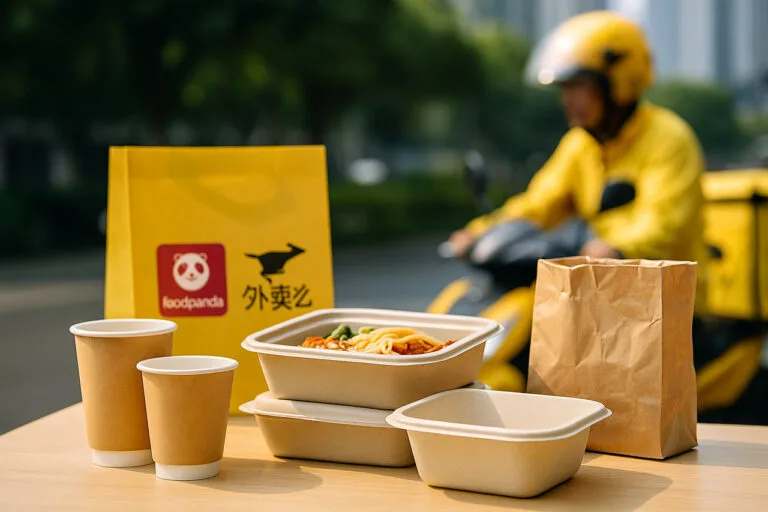
Where composting exists (or can be trialed), platforms should co-fund organics capture at high-density nodes: food courts, universities, office parks. Begin with one or two “hero SKUs” (bagasse bowls and trays) and mono-material lids, supported by on-site signage and staffed nudges during launch weeks. Publish pilot data—even if imperfect — Green Packaging Innovation. 4) Materials: What Works in the Real Meal, Not the Ideal Label bagasse vs plastic containers
Publish an APC per market—an online catalog of validated SKUs with photos, specs, and disposal notes. Merchants choose from a short, disciplined list. The platform negotiates pricing and QA with suppliers and updates specs quarterly. APCs eliminate “random nice-looking boxes” that won’t pass city reality checks — Green Packaging Innovation.
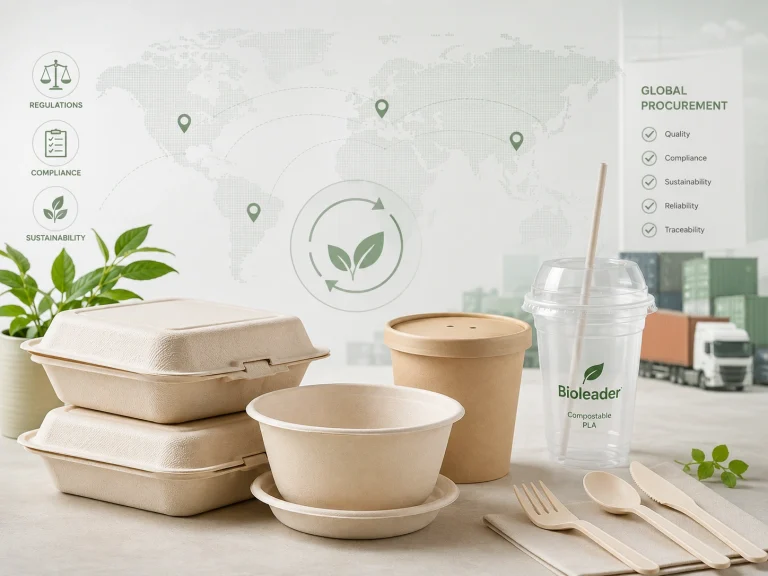
Join the global movement toward zero-waste packaging.
Bioleader® offers:
📦 Bulk order support & fast delivery
✍️ Custom branding and OEM solutions
🌍 Worldwide eco-packaging compliance
Get the Catalogue Products List & Contact Us Now! 👉