Guide To Future Of Food Packaging: Materials, Standards & Best Practices | Bioleader® Sustainable Packaging

Actionable coverage of future of food packaging: eco-friendly, biodegradable, compostable materials, performance data, and compliance under EN13432 & ASTM D6400. Includes BPI/TÜV references and Food-Contact Tested guidance for safe deployment. Buyer-focused: manufacturer insights, bulk/wholesale buying playbooks, OEM/ODM customization tips, full size range selection.

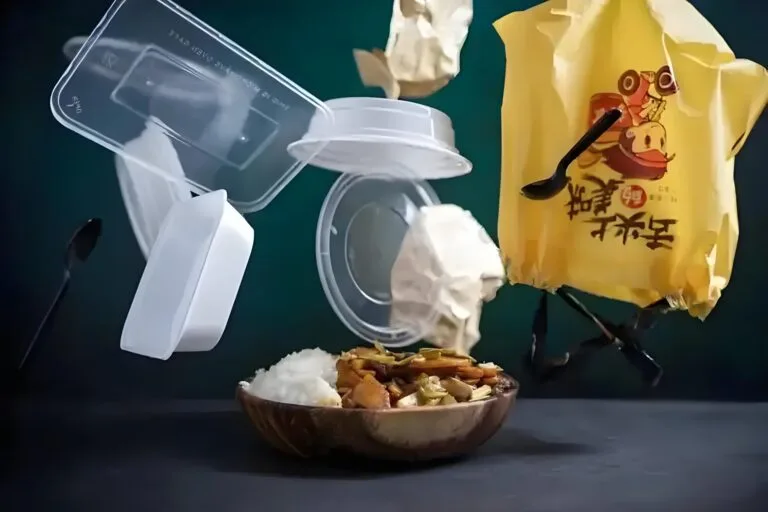
More Deliveries, More Waste: Rethinking Convenience in the Age of Disposable Food Packaging

Key Takeaway: Delivery convenience has scaled faster than end-of-life systems. To make convenience sustainable, leaders should move from single-material bets to a portfolio strategy that blends bagasse, coated/uncoated paper, PLA/cornstarch, and molded fiber—engineered for local waste-paths, verified by test curves, and governed by evidence-based claims.

Why It Matters: Packaging is the largest single source of plastic waste globally—around 40%—and reaches 45% in China; rising food-delivery volume multiplies containers, lids and liners, stressing recycling and composting systems. :contentReference[oaicite:0]{index=0}

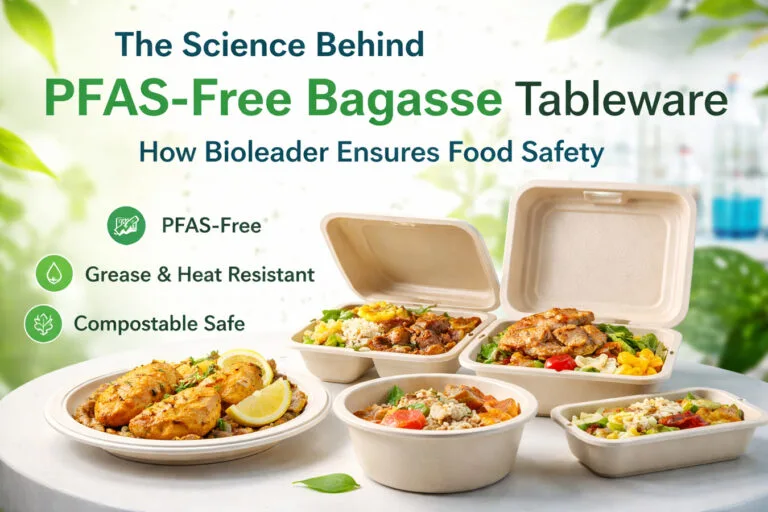
Executive Actions: (1) Map city-level waste-paths; (2) Standardize heat/leak/odor curves; (3) Lock PFAS-free barriers; (4) Use dual-stream kits (fiber base + mono-material lid/film); (5) Pilot organics capture where industrial composting exists; (6) Publish a quarterly Packaging Fact Sheet.

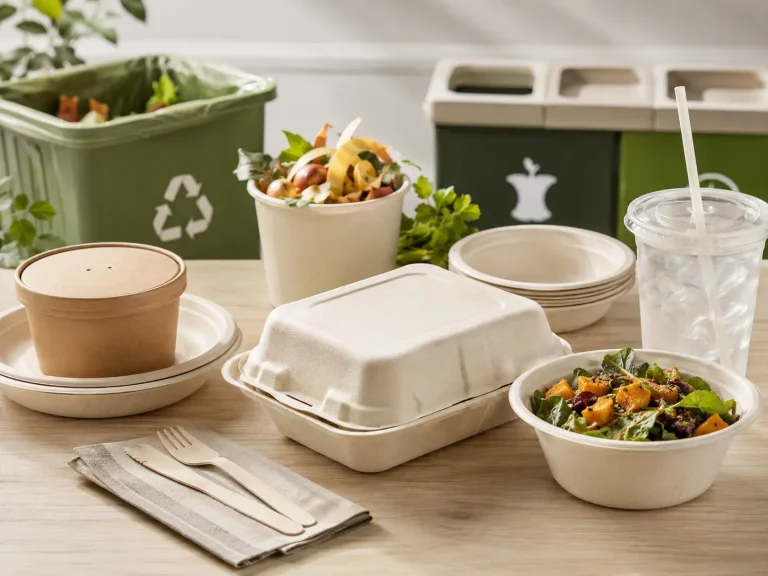
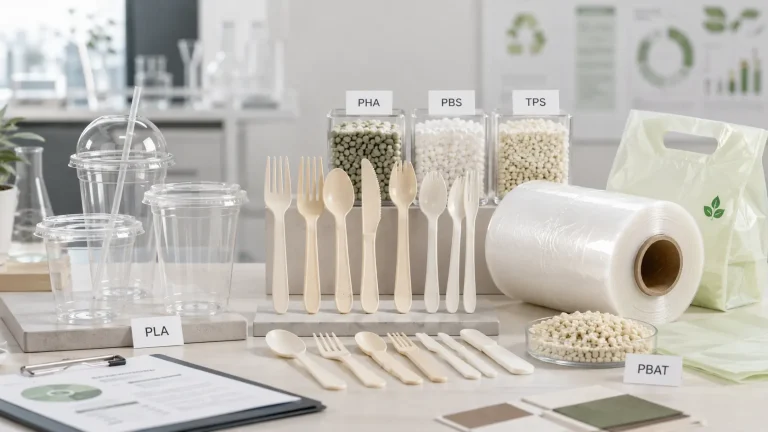
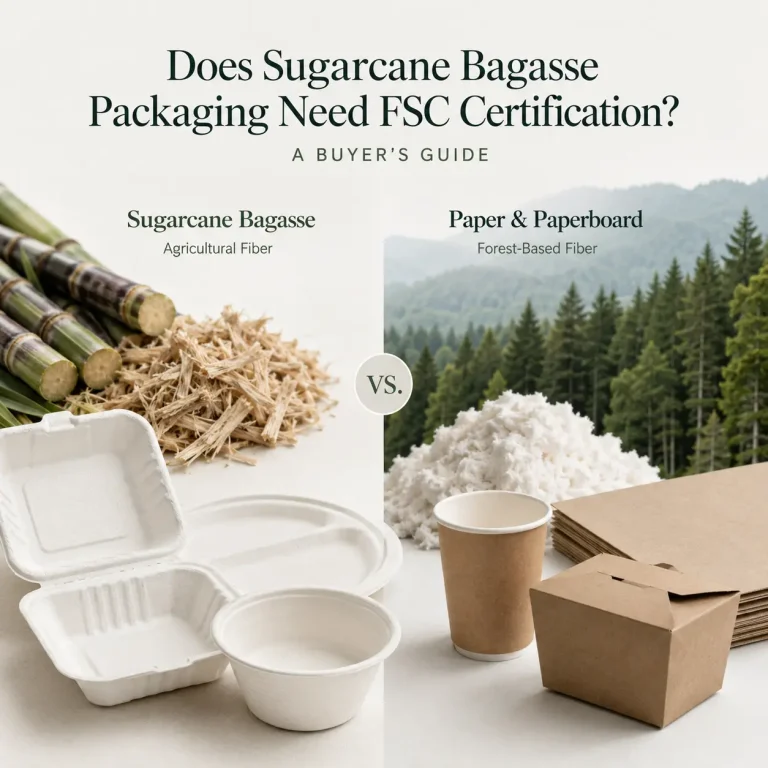
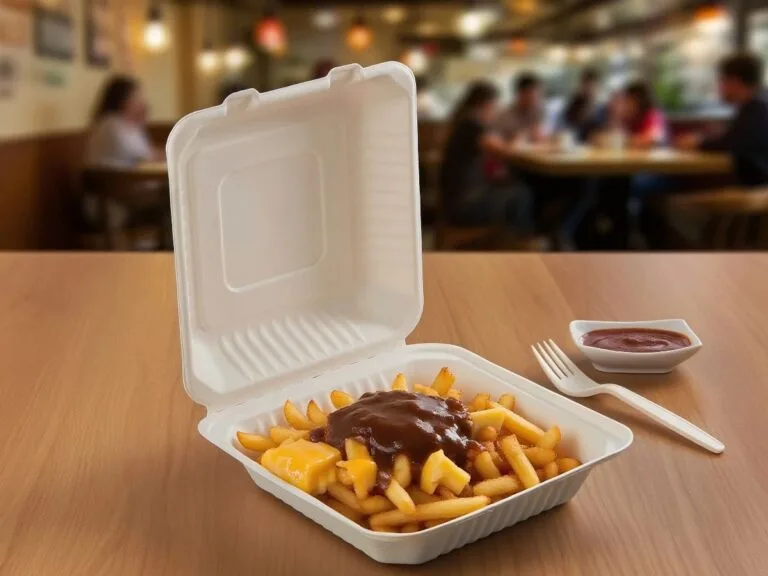
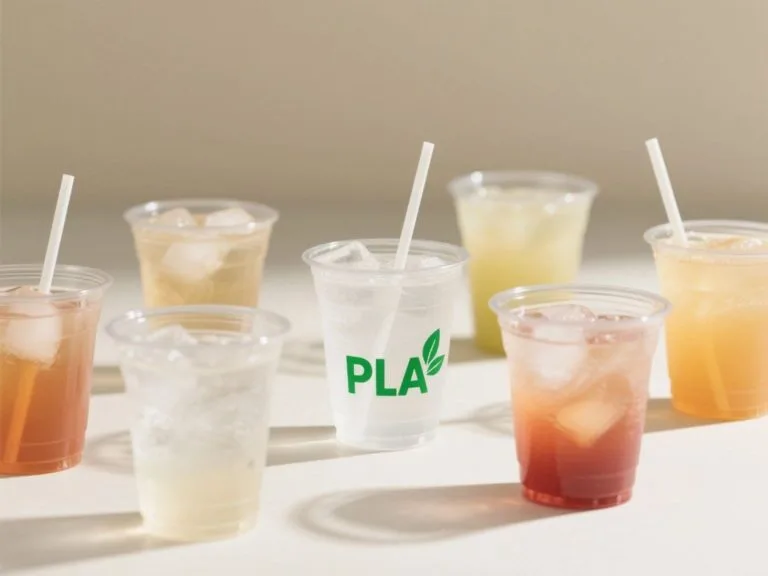
Where Materials Fit: Bagasse for hot & oily mains; paper for dry goods with minimal coating; PLA/cornstarch only where industrial composting runs reliably; molded/recycled fiber for low-oil; seaweed/mycelium as R&D pilots.

future of food packaging — Quick Summary
  • Items displayed (articles): 12
  • Last updated: 2025-10-18
  • Includes test data, compliance guides, buyer FAQs, and real-world use cases.

Editor’s Picks: Top Future Of Food Packaging Guides 2026

FAQ of Bioleader's Eco-friendly Disposable Tableware

Is there a possibility of the containers leaking?

Yes there is due to the locking lid on the salad to go containers preventing any leaks that may arise in the middle of meals hence are perfect for carrying salads with dressing or any other liquids.

Is there a possibility to order the bowls with my logo?

Of course! Custom printing is an opportunity for you to order bowls with your logo or design printed on them. Do not hesitate to ask for additional information regarding the special applications.

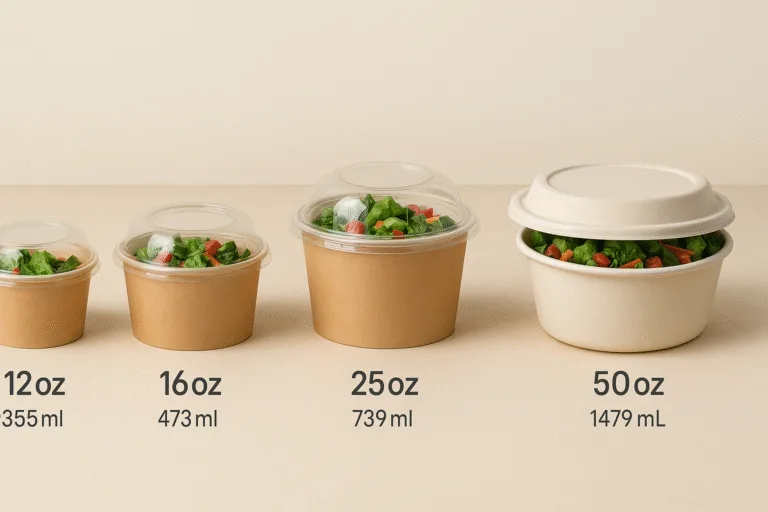
What sizes are available for these biodegradable bowls?

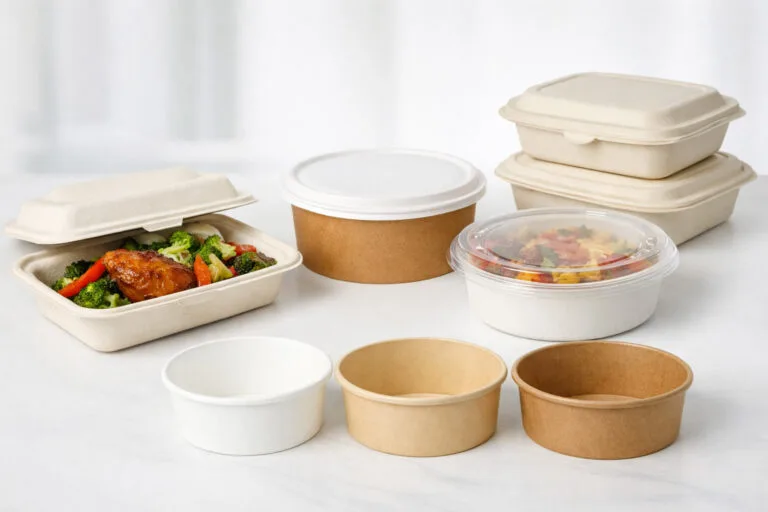
Our bowls come in multiple sizes, ranging from 500ml to 1500ml (approximately 8oz to 48oz), offering flexibility for different portion needs , future of food packaging.

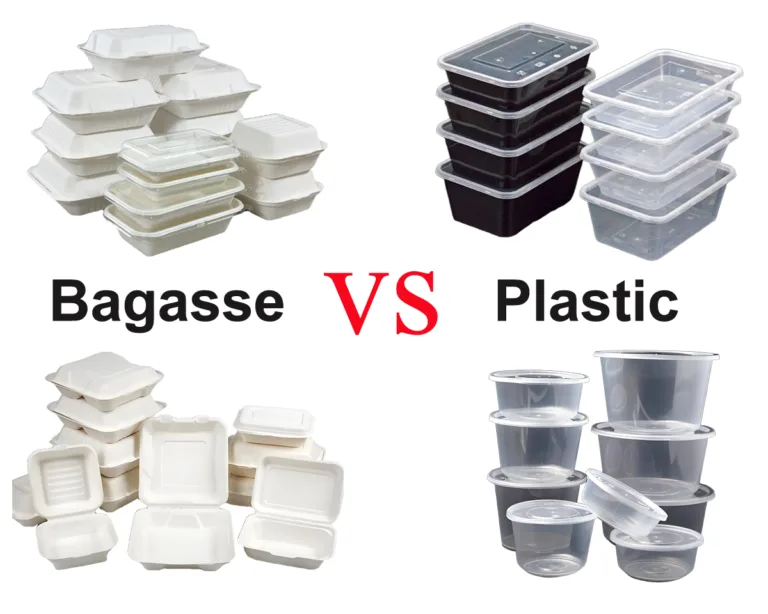
Comparison Table: Bagasse vs. Plastic Containers

Feature Bagasse Containers Plastic Containers Material Sugarcane byproduct (renewable) Petroleum-based (non-renewable) Durability Sturdy but less moisture-resistant Highly durable and moisture-resistant Biodegradability 100% biodegradable (60-90 days) Takes hundreds of years to decompose Compostability Industrial and home compostable Not compostable Microwave Safe Yes Some types are microwave-safe Portability Lightweight and strong Lightweight and strong Cost Higher than plastic Low production cost Environmental Impact Low carbon footprint, reduces waste High pollution, contributes to microplastics   Future Trends of Takeaway Food Packaging The future of takeaway food packaging is shifting toward sustainability-driven innovations. Several emerging trends indicate a move away from single-use plastics: Increased Use of Biodegradable Materials – Governments and businesses are adopting bagasse, bamboo fiber, and plant-based bioplastics to replace conventional plastic. Reusable and Returnable Packaging – Circular economy models encourage reusable containers to minimize waste. Edible Packaging Solutions – Researchers are exploring edible packaging made from algae, seaweed, and starch to further reduce waste , future of food packaging.

Disadvantages of Plastic Food Containers

Non-Biodegradable and Persistent WasteMost plastic containers take hundreds of years to decompose, contributing to landfills, ocean pollution, and microplastic contamination. Environmental PollutionPlastic waste has become one of the biggest global environmental crises, with millions of tons ending up in waterways and marine ecosystems. Health ConcernsCertain plastics contain harmful chemicals, such as BPA, which can leach into food and pose potential health risks. Plastic food containers Plastic containers   Which Food Packaging Option is More Sustainable — future of food packaging.

Related Insights

🚀Ready to Go Green and Choose ?

Join the global movement toward zero-waste packaging.


Bioleader® offers:

  • 📦 Bulk order support & fast delivery

  • ✍️ Custom branding and OEM solutions

  • 🌍 Worldwide eco-packaging compliance

Get the Catalogue Products List  & Contact Us Now! 👉

Contact us Below

Click or drag files to this area to upload.You can upload up to 5 files.
The more details you share, the faster and more accurate our quotation will be.