FSC Kraft Paper Bowl: Key Industry Highlights | Bioleader® Insights

Actionable coverage of FSC kraft paper bowl: eco-friendly, biodegradable, compostable materials, performance data, and compliance under EN13432 & ASTM D6400. Includes BPI/TÜV references and Food-Contact Tested guidance for safe deployment. Buyer-focused: manufacturer insights, bulk/wholesale buying playbooks, OEM/ODM customization tips, full size range selection.
FSC kraft paper bowl — Quick Summary
  • Items displayed (articles): 12
  • Last updated: 2025-07-10
  • Includes test data, compliance guides, buyer FAQs, and real-world use cases.

Editor’s Picks: Top Fsc Kraft Paper Bowl Guides 2026

FAQ of Bioleader's Eco-friendly Disposable Tableware

Friendly to the environment

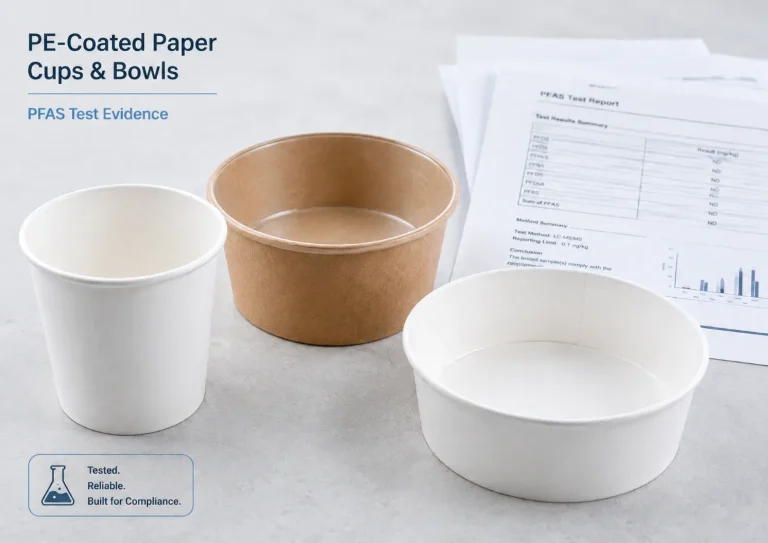
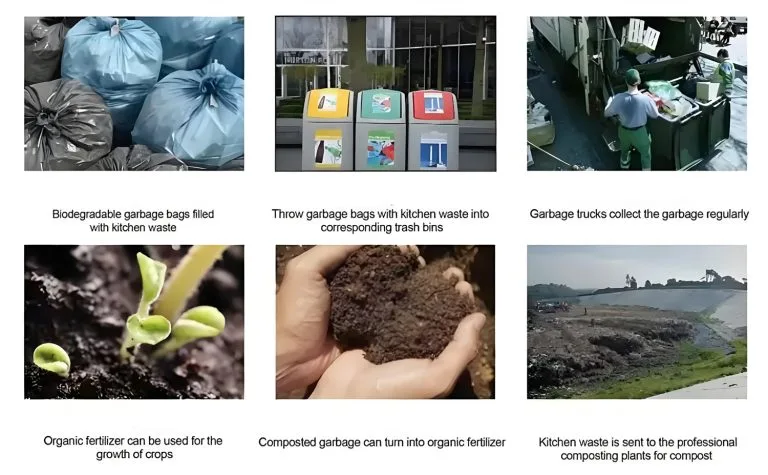
Biodegradable and Compostable: These disposable biodegradable bowls are compostable which makes it easier for the environment in the long run and also menaces plastic pollution. Nontoxic: These bowls are made without the utilization of PFAS and BPA which allows them to be Free from chemical leaching into the food served.

3. Do eco trays come with multiple compartments?

Absolutely. Many manufacturers offer trays in 1, 2, 3, or 5-compartment designs. This allows proper separation of different food items, which is especially useful for meal prep, airline meals, and school lunch programs.

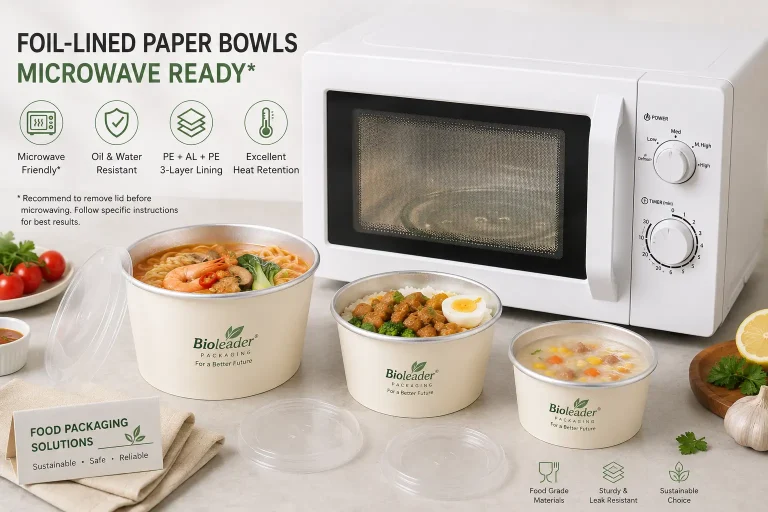
2. Are takeaway containers with lids microwave-safe?

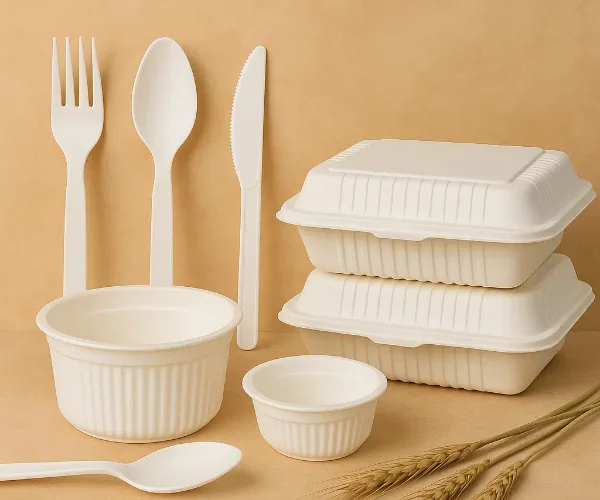
Yes, many takeaway containers—especially those made from sugarcane bagasse or microwave-safe plastics—are designed to withstand high temperatures. Always check the specific material to ensure safe reheating.

Common Features:

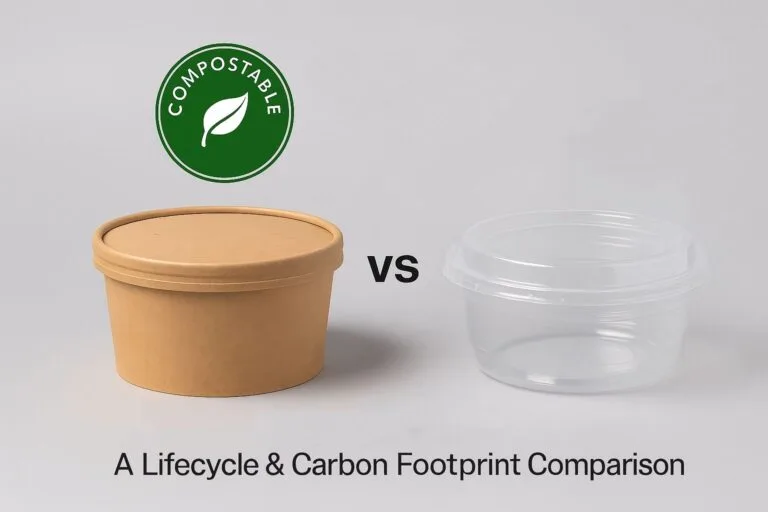
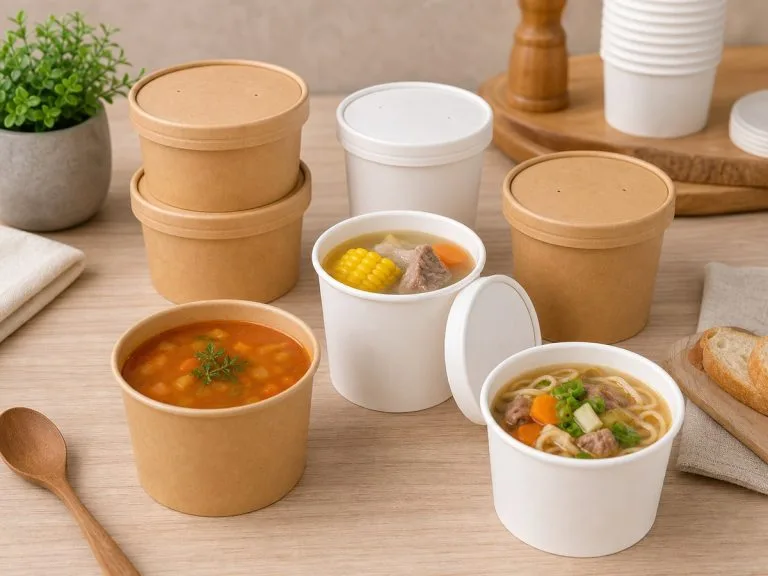
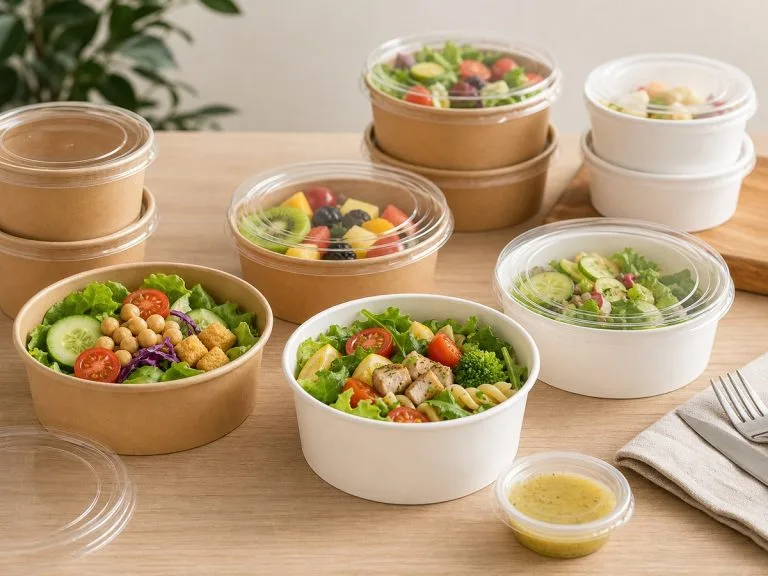
Food-grade and leak-resistant Custom-printable with soy or water-based inks Available with flat or dome lids (PLA, PET, or kraft paper) Certifications: FSC, EN13432, BPI, OK Compost Industrial/Home Popular Uses: Salads, grain bowls, curries, noodles, soups, frozen meals The rapid adoption of kraft paper bowls is not just an eco-friendly gesture—it aligns directly with regulations and consumer sentiment worldwide. Kraft Paper Soup Containers with Lid What Are Plastic Bowls Made Of — FSC kraft paper bowl. Plastic bowls are typically made from one of the following petroleum-derived polymers: Plastic Type Description Use Case Environmental Concern PET Lightweight, clear plastic Cold food, salads Difficult to recycle when food-soiled PP Durable, microwave-safe Hot dishes, soups Non-compostable, fossil-fuel based PS / EPS Rigid or foam polystyrene Disposable bowls (low-cost) Widely banned due to toxic leachability rPET / rPP Recycled versions Limited use due to safety Traceability, food safety often unclear Plastic bowls are not compostable or biodegradable. Most end up in landfills or incinerators, contributing to microplastic pollution, GHG emissions, and marine ecosystem damage.

2. Manufacturing Process

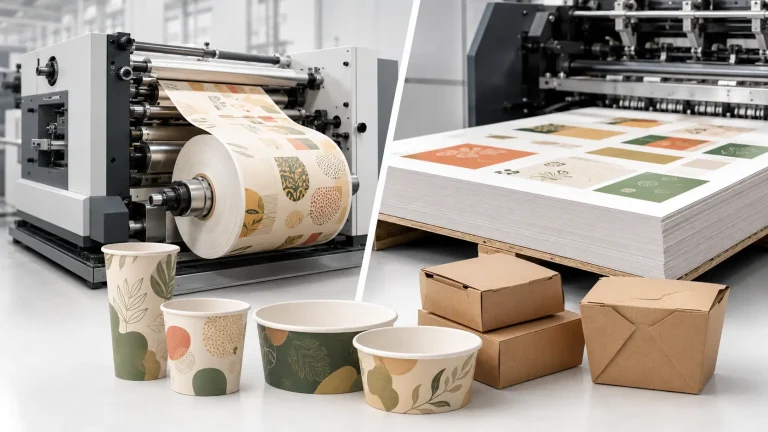
Kraft Paper: Requires pulping and heat pressing at relatively low temperatures. Energy consumption is significantly lower than plastic molding , FSC kraft paper bowl. Plastic: Requires polymerization, pelletizing, and high-temperature injection molding — FSC kraft paper bowl. PS and PET manufacturing release toxic VOCs and require 2–3 times more energy.

Related Insights

🚀Ready to Go Green and Choose ?

Join the global movement toward zero-waste packaging.


Bioleader® offers:

  • 📦 Bulk order support & fast delivery

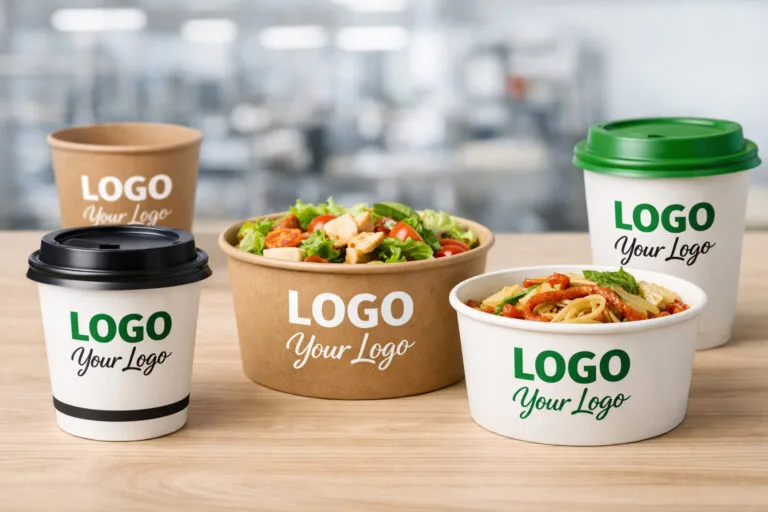
  • ✍️ Custom branding and OEM solutions

  • 🌍 Worldwide eco-packaging compliance

Get the Catalogue Products List  & Contact Us Now! 👉

Contact us Below

Click or drag files to this area to upload.You can upload up to 5 files.
The more details you share, the faster and more accurate our quotation will be.