Eco-friendly Food Container Vs Alternatives: Cost, Performance, Sustainability | Bioleader® Insights

Actionable coverage of eco-friendly food container: eco-friendly, biodegradable, compostable materials, performance data, and compliance under EN13432 & ASTM D6400. Includes BPI/TÜV references and Food-Contact Tested guidance for safe deployment. Buyer-focused: manufacturer insights, bulk/wholesale buying playbooks, OEM/ODM customization tips, full size range selection.
eco-friendly food container — Quick Summary
  • Items displayed (articles): 12
  • Last updated: 2025-01-08
  • Includes test data, compliance guides, buyer FAQs, and real-world use cases.

Editor’s Picks: Top Eco-friendly Food Container Guides 2026

FAQ of Bioleader's Eco-friendly Disposable Tableware

Multipurpose Application:

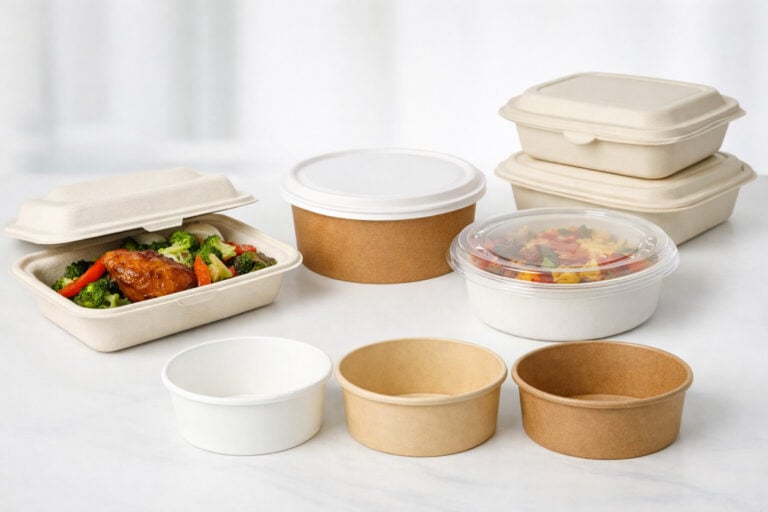
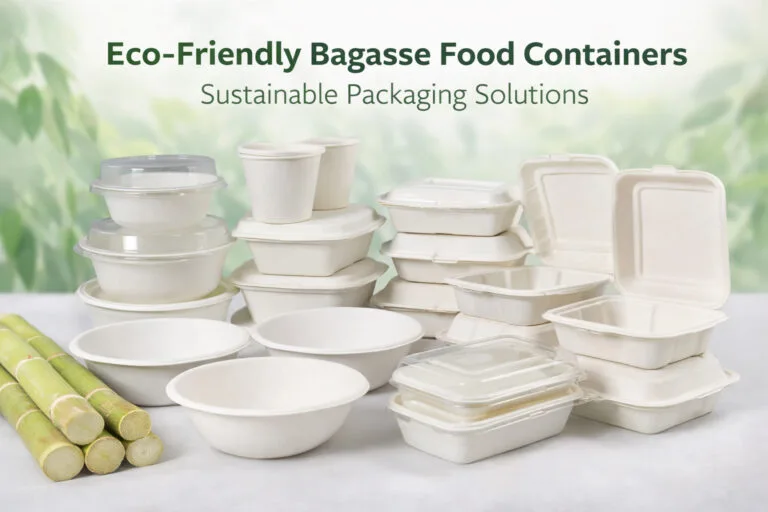
Suitable for All Foods: Drying salads and up until greasy noodles soup is served, these bowls are suitable to contain all. They are also called biodegradable bowls. Great for Delivery and Takeaway: These biodegradable disposable bowls are ideal for delivery or takeaway by restaurants, food trucks, and e-catering businesses. Effective means of sustainable packaging.

Friendly to the environment

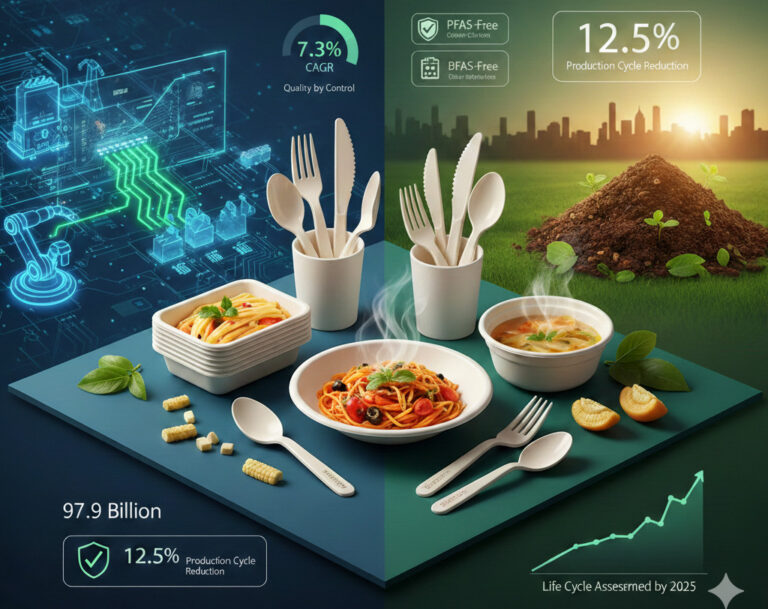
Biodegradable and Compostable: These disposable biodegradable bowls are compostable which makes it easier for the environment in the long run and also menaces plastic pollution. Nontoxic: These bowls are made without the utilization of PFAS and BPA which allows them to be Free from chemical leaching into the food served , eco-friendly food container.

Ensure safety with products that are free of PFAS and BPA

Health comes first. Safety is further guaranteed when you’ve got our trays with lids that don’t have PFAS and BPA in them, two neatly packed chemicals that bring peace to the consumer as they do not have any synthetic materials that pose health risks. So, you know that our products are safe and clean when it comes to packaging and using them.

2. Compostable Plastics (CPLA & Cornstarch)

Derived from renewable resources like cornstarch, compostable plastics such as PLA (Polylactic Acid) offer an alternative to petroleum-based plastics. Example: Cornstarch Food Containers Advantages: Compostable under industrial conditions, clear and aesthetically appealing. Disadvantages: Requires industrial composting facilities, unsuitable for high-temperature use , eco-friendly food container. Cost-Effectiveness: Slightly more expensive than traditional plastics.

6. Natural Material Containers

Containers made from palm leaves or seaweed paper are biodegradable and aesthetically appealing. Advantages: Fully compostable, natural look , eco-friendly food container. Disadvantages: Limited durability for liquid-based foods. Cost-Effectiveness: Ideal for eco-conscious premium markets.

Related Insights

🚀Ready to Go Green and Choose ?

Join the global movement toward zero-waste packaging.


Bioleader® offers:

  • 📦 Bulk order support & fast delivery

  • ✍️ Custom branding and OEM solutions

  • 🌍 Worldwide eco-packaging compliance

Get the Catalogue Products List  & Contact Us Now! 👉

Contact us Below

Click or drag files to this area to upload.You can upload up to 5 files.
The more details you share, the faster and more accurate our quotation will be.