Guide To Cardboard Paper Tableware: Materials, Standards & Best Practices | Bioleader® Sustainable Packaging

Actionable coverage of Cardboard Paper Tableware: eco-friendly, biodegradable, compostable materials, performance data, and compliance under EN13432 & ASTM D6400. Includes BPI/TÜV references and Food-Contact Tested guidance for safe deployment. Buyer-focused: manufacturer insights, bulk/wholesale buying playbooks, OEM/ODM customization tips, full size range selection.

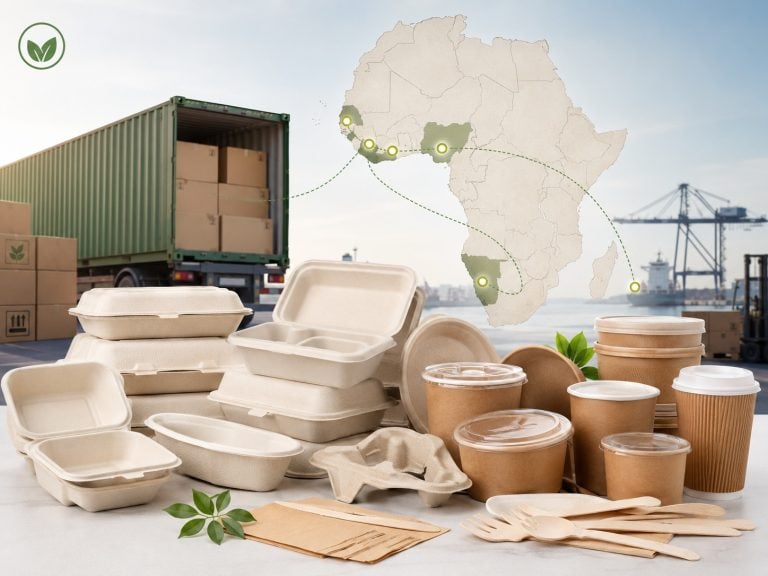
Biodegradable tableware refers to utensils that can naturally decompose under certain conditions after use, helping to reduce environmental pollution and the problem of plastic waste. Here are some common types of biodegradable tableware and their characteristics:

Cardboard Paper Tableware — Quick Summary
  • Items displayed (articles): 12
  • Last updated: 2024-07-08
  • Includes test data, compliance guides, buyer FAQs, and real-world use cases.

Editor’s Picks: Top Cardboard Paper Tableware Guides 2026

FAQ of Bioleader's Eco-friendly Disposable Tableware

Foldable and Trustworthy Products

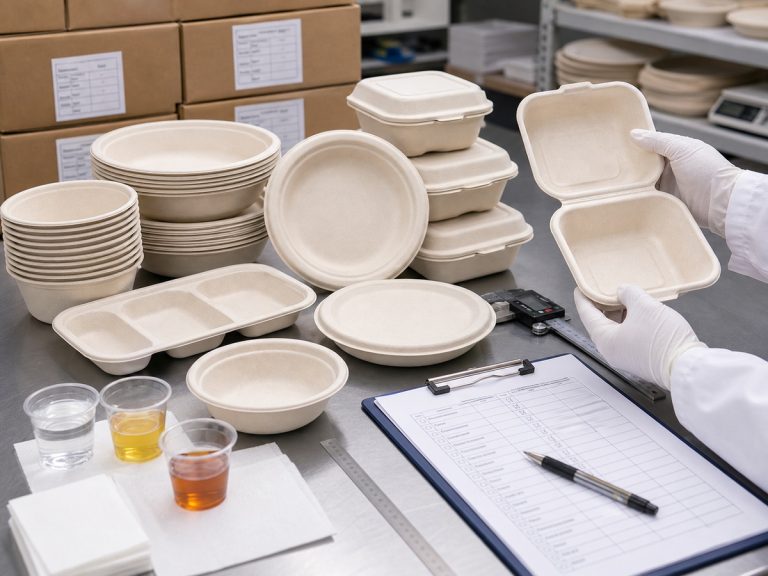
We have tough and strong bagasse trays that aren’t as flimsy as other products. They maintain their shape do not get damaged if overheated and can even withstand cold conditions. This strength also ensures that they survive the challenges that arise during delivery and takeaway. Versatile Usage Our takeaway trays with lids are perfect for a variety of applications.

Eco-Friendly, Compostable, and Biodegradable

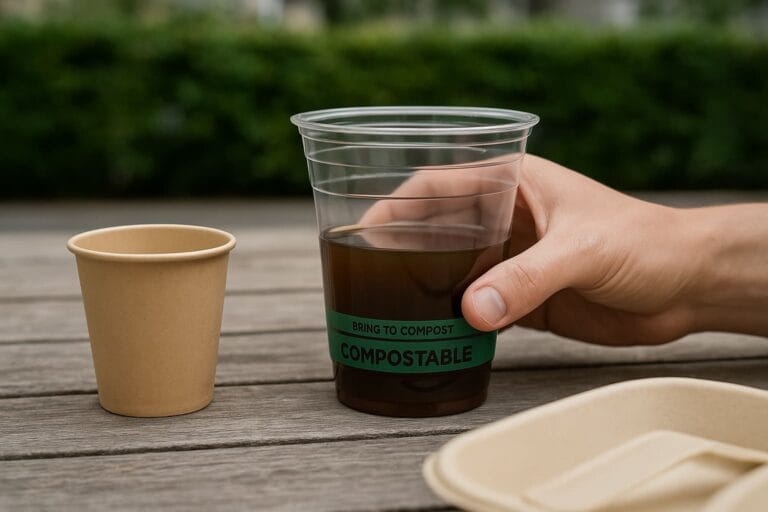
Our molded pulp trays are fully compostable and biodegradable — Cardboard Paper Tableware. They naturally break down within a few months, supporting a circular economy and reducing landfill burden. This makes our sugarcane pulp trays an excellent choice for eco-conscious consumers and businesses looking to adopt sustainable practices.

1. What are disposable food trays with lids typically used for?

They are widely used in foodservice settings such as takeout, meal prep, catering, and airline meals. The trays offer secure food separation and freshness, making them ideal for combo meals, bento boxes, and heat-and-serve packaging.

Further Processing

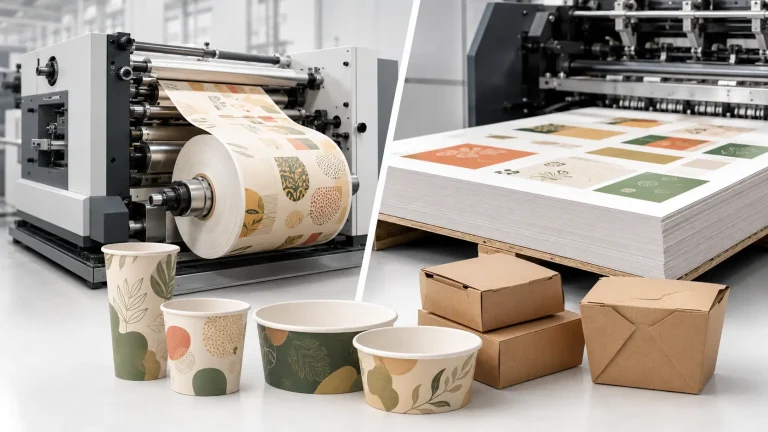
In order to meet specific usage standards, some products may require subsequent processing, including cutting, trimming, dyeing, etc. Usually after molding, drying and curing, these processing stages ensure the quality and appearance of the final product.

Drying and Fixing

Drying molded products helps to eliminate excess moisture , Cardboard Paper Tableware. Depending on the situation, specialized drying tools or natural air drying can be used. Further curing of dried items will help improve their stability and strength. Further heating or chemical treatment can be used as part of the curing process to ensure that the product meets the required performance standards — Cardboard Paper Tableware.

Related Insights

🚀Ready to Go Green and Choose ?

Join the global movement toward zero-waste packaging.


Bioleader® offers:

  • 📦 Bulk order support & fast delivery

  • ✍️ Custom branding and OEM solutions

  • 🌍 Worldwide eco-packaging compliance

Get the Catalogue Products List  & Contact Us Now! 👉

Contact us Below

Click or drag files to this area to upload.You can upload up to 5 files.
The more details you share, the faster and more accurate our quotation will be.