The 2025 Buyer’s Guide To Bioplastic Tableware | Bioleader® Sustainable Packaging
Actionable coverage of Bioplastic Tableware: eco-friendly, biodegradable, compostable materials, performance data, and compliance under EN13432 & ASTM D6400. Includes BPI/TÜV references and Food-Contact Tested guidance for safe deployment. Buyer-focused: manufacturer insights, bulk/wholesale buying playbooks, OEM/ODM customization tips, full size range selection.
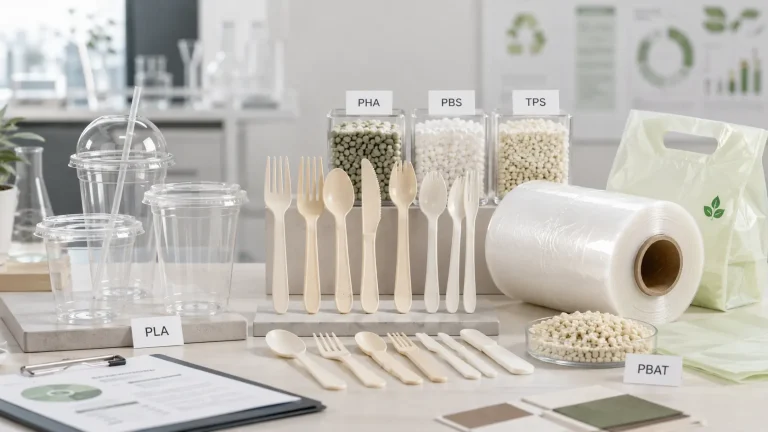
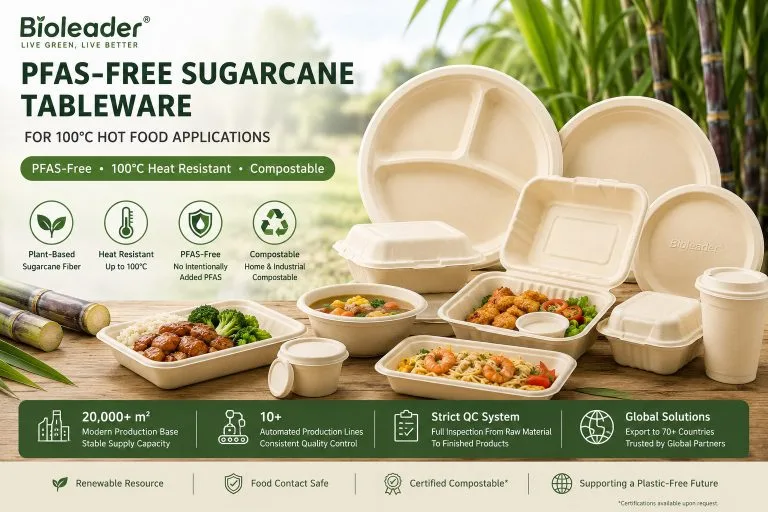
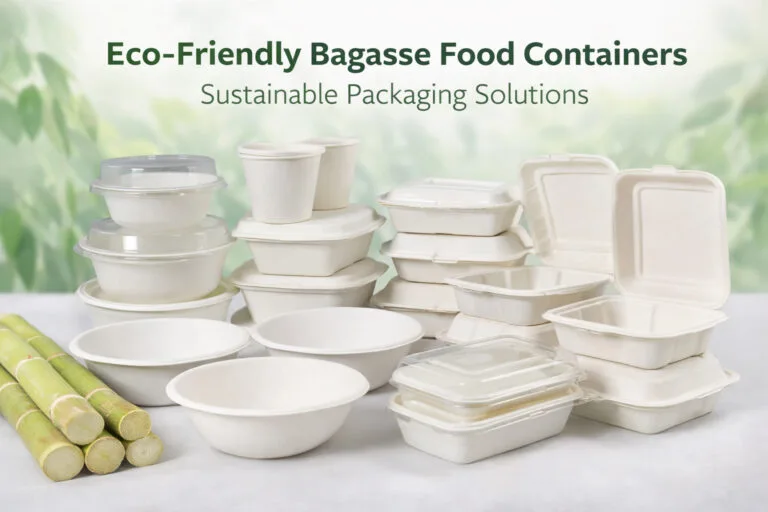
Biodegradable tableware refers to utensils that can naturally decompose under certain conditions after use, helping to reduce environmental pollution and the problem of plastic waste. Here are some common types of biodegradable tableware and their characteristics:
Bioplastic Tableware — Quick Summary
Items displayed (articles): 12
Last updated: 2024-07-08
Includes test data, compliance guides, buyer FAQs, and real-world use cases.
FAQ of Bioleader's Eco-friendly Disposable Tableware
Can they be put in the microwave?
Yes, they can be put in a microwave even though there is no instruction to that, which makes it easier as meals can be quickly reheated in the same bowl.
Are the containers available with a logo impression on them?
Definitely! Print Gems. Our to go salad containers are available printed with your logo or artwork. This is a nice chance to make your business while safe packaging supplies are being delivered , Bioplastic Tableware.
They cannot take away hot foods?
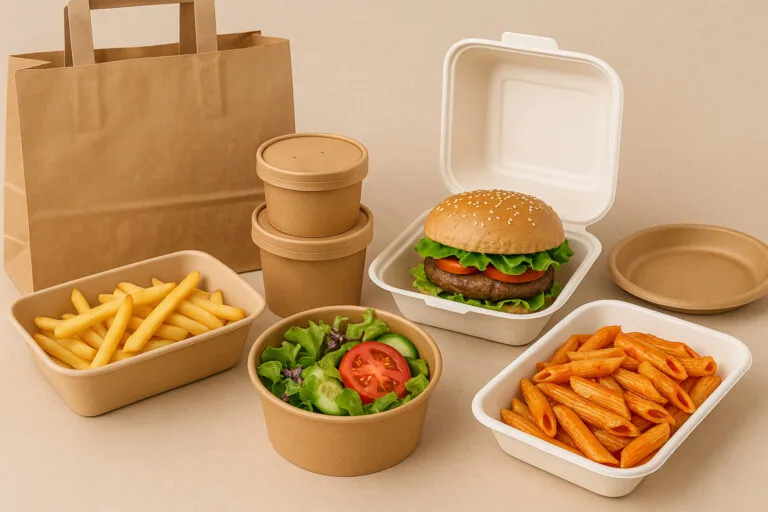
Yes, of course — Bioplastic Tableware. These salad bowls kraft paper and can take hot food as well as cold food, hence usable for a range of dishes.
Further Processing
In order to meet specific usage standards, some products may require subsequent processing, including cutting, trimming, dyeing, etc. Usually after molding, drying and curing, these processing stages ensure the quality and appearance of the final product.
Raw material selection
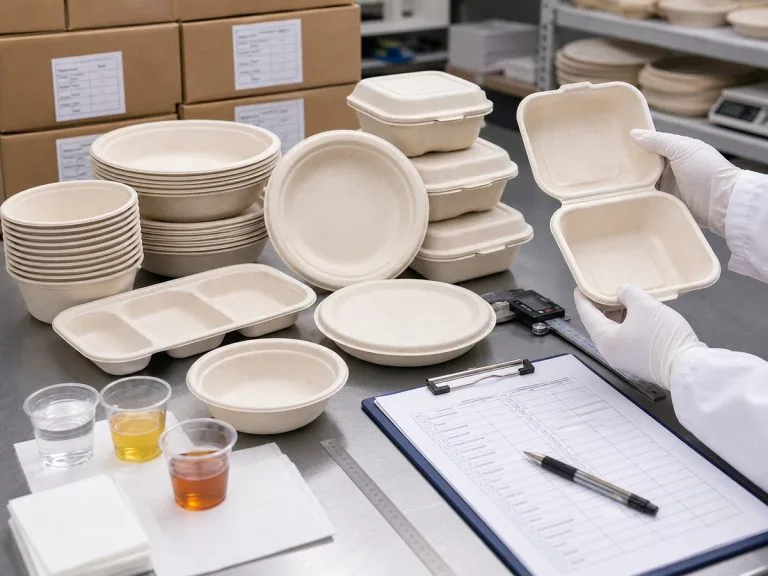
Molded pulp products mostly use natural waste, such as waste paper, plant fiber, etc — Bioplastic Tableware. These materials are not only easy to obtain, but also green and environmentally friendly. Common raw materials are waste paper (including waste cartons, waste newspapers, etc.) and plant fiber (such as peanut shell powder, sugarcane bagasse, etc.), in preparation for the subsequent molding process, these raw materials must undergo pre-treatment processes such as screening and crushing.