Trends In Bagasse Vs PLA: Market Insights, Innovations & FAQs | Bioleader® Sustainable Packaging

Actionable coverage of bagasse vs PLA: eco-friendly, biodegradable, compostable materials, performance data, and compliance under EN13432 & ASTM D6400. Includes BPI/TÜV references and Food-Contact Tested guidance for safe deployment. Buyer-focused: manufacturer insights, bulk/wholesale buying playbooks, OEM/ODM customization tips, full size range selection.
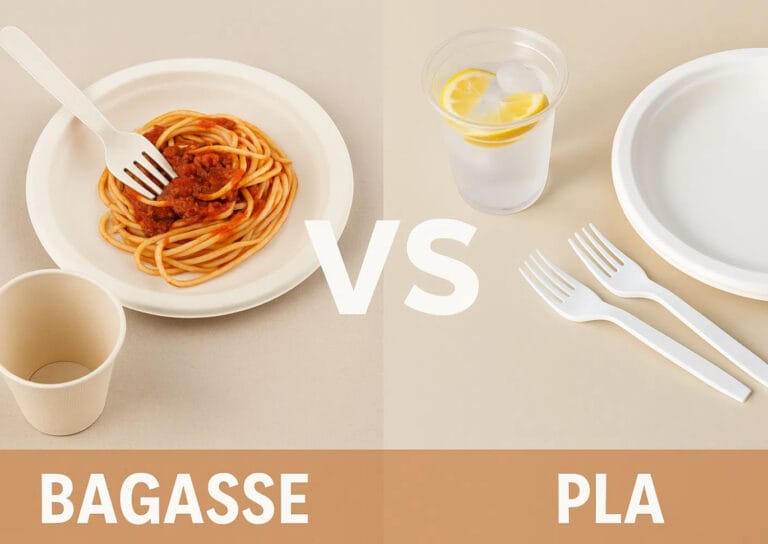
Quick Summary: Bagasse and PLA are both leading compostable materials, but their structural composition, heat tolerance, degradation cycles, and suitable food packaging applications differ dramatically. Bagasse excels in high-temperature and wet-food scenarios due to its lignocellulosic fiber network, while PLA performs best in cold beverages and transparent packaging. This guide provides data-backed comparisons to support material selection for global foodservice brands.
bagasse vs PLA — Quick Summary
  • Items displayed (articles): 12
  • Last updated: 2025-12-06
  • Includes test data, compliance guides, buyer FAQs, and real-world use cases.

Editor’s Picks: Top Bagasse Vs Pla Guides 2026

FAQ of Bioleader's Eco-friendly Disposable Tableware

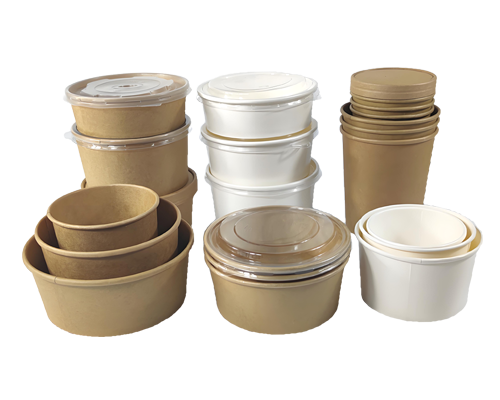
Can I use a microwave oven for these bowls?

You most definitely can Yes! you can warm up your food using these take out to go bowls without the fear that the container will be destroyed.

They cannot take away hot foods?

Yes, of course. These salad bowls kraft paper and can take hot food as well as cold food, hence usable for a range of dishes — bagasse vs PLA.

Do these containers stand temperature pressures like microwaves?

Yes, our salad to go container with locking lid is microwave-safe safe so the consumers can heat their food substances without any problems — bagasse vs PLA.

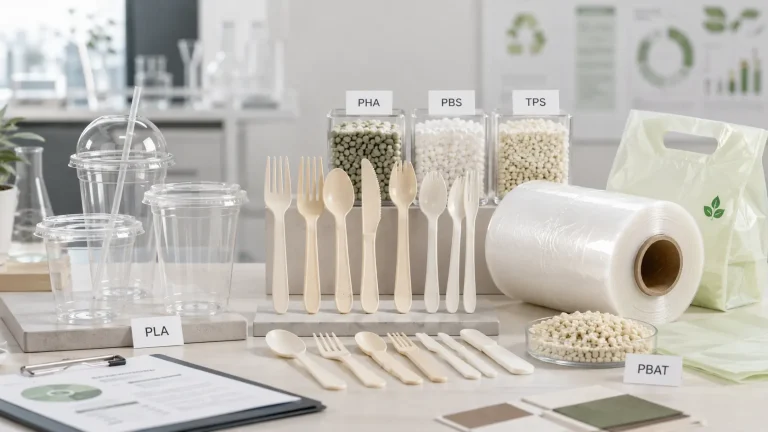
1.2 PLA: A Thermoplastic Biopolymer Derived from Fermented Sugars

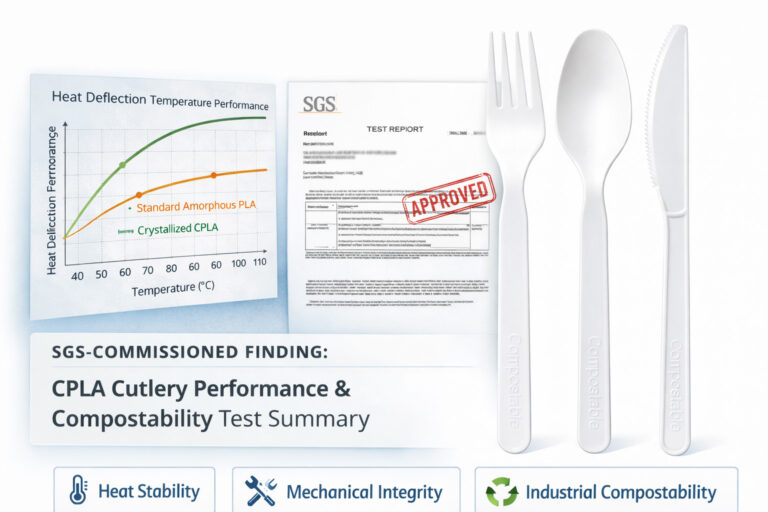
PLA is produced by polymerizing lactic acid monomers. Its performance characteristics reflect its nature as a thermoplastic. Key Material Properties: Glass transition temperature (Tg): 55–60°C Melting point: 160–170°C Begins softening around: 50–55°C A 2023 study in the Journal of Polymers and the Environment confirms that PLA’s mechanical strength drops sharply above 60°C, making it inappropriate for hot foods or microwaving.

🟢 Bagasse: The Sugarcane Sidekick

Bagasse (pronounced buh-GAS) is what’s left after sugarcane is squeezed for juice. You know the stuff—fibrous, a little scrappy, but surprisingly strong. It’s basically the pulp of the sugar world — bagasse vs PLA. But don’t underestimate it.

Related Insights

🚀Ready to Go Green and Choose ?

Join the global movement toward zero-waste packaging.


Bioleader® offers:

  • 📦 Bulk order support & fast delivery

  • ✍️ Custom branding and OEM solutions

  • 🌍 Worldwide eco-packaging compliance

Get the Catalogue Products List  & Contact Us Now! 👉

Contact us Below

Click or drag files to this area to upload.You can upload up to 5 files.
The more details you share, the faster and more accurate our quotation will be.