Active Packaging: Properties & Use Scenarios | Bioleader®

Actionable coverage of active packaging: eco-friendly, biodegradable, compostable materials, performance data, and compliance under EN13432 & ASTM D6400. Includes BPI/TÜV references and Food-Contact Tested guidance for safe deployment. Buyer-focused: manufacturer insights, bulk/wholesale buying playbooks, OEM/ODM customization tips, full size range selection.
Quick Summary:
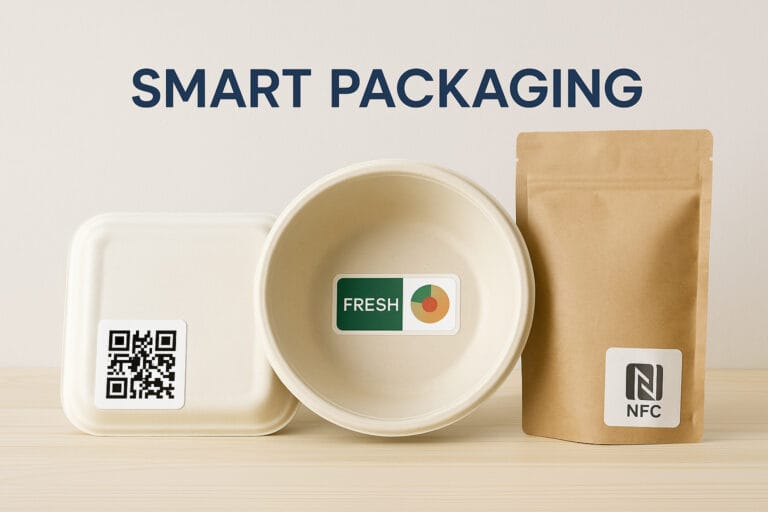
Smart packaging in 2025 has moved from demos to deployment: sensors, freshness indicators, and digital IDs (QR/NFC) are being integrated into compostable and recyclable formats to improve food safety, reduce waste, and unlock supply-chain visibility. Regulatory pressure and EPR schemes are accelerating adoption, while water-based barriers, bio-inks, and fiber-based substrates close the loop on sustainability. Bioleader focuses on practical pilots—traceable SKUs, anti-tamper labels, and analytics-ready codes—so brands gain compliance, actionable data, and better consumer trust without sacrificing cost efficiency or speed-to-market.
active packaging — Quick Summary
  • Items displayed (articles): 12
  • Last updated: 2025-08-01
  • Includes test data, compliance guides, buyer FAQs, and real-world use cases.

Editor’s Picks: Top Active Packaging Guides 2026

FAQ of Bioleader's Eco-friendly Disposable Tableware

Is there a possibility of the containers leaking?

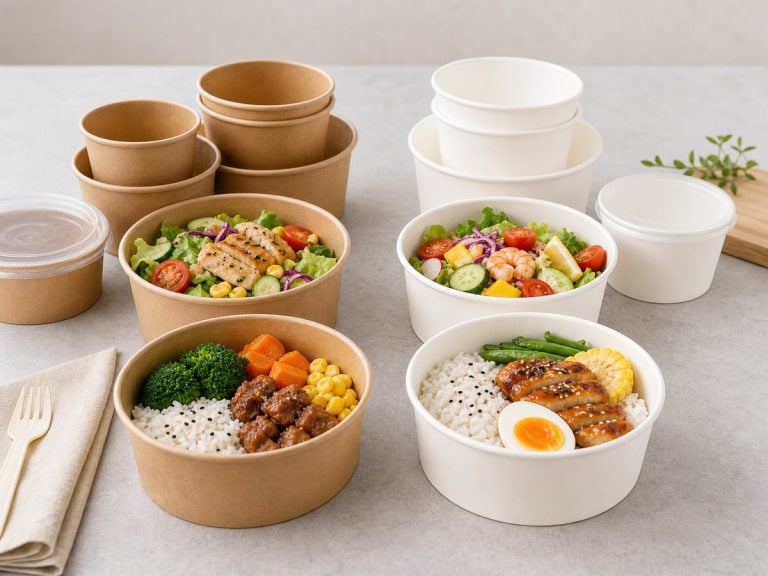
Yes there is due to the locking lid on the salad to go containers preventing any leaks that may arise in the middle of meals hence are perfect for carrying salads with dressing or any other liquids — active packaging.

What sizes are available for these biodegradable bowls?

Our bowls come in multiple sizes, ranging from 500ml to 1500ml (approximately 8oz to 48oz), offering flexibility for different portion needs.

Available sizes?

Yes, our paper containers with lids for food range between 500ml and 1500ml capable of holding various meal portions — active packaging.

a) Passive & Biodegradable Sensors

Recent research focuses on biodegradable, flexible sensors that can be printed directly onto molded fiber trays, paperboard, or PLA films. These include gas sensors (for O₂, CO₂, ethylene) and humidity detectors using natural polymers or metallic nanoparticles. Example: He et al., 2024 engineered a stretchable, battery-free sensor system that monitors gas changes in real time within fish packaging, linked to a colorimetric indicator patch. This technology enabled 14-day shelf life for fresh fish—double that of standard packaging—while remaining fully compostable (He et al., 2024).

a) Europe: EU PPWR & EN 13432

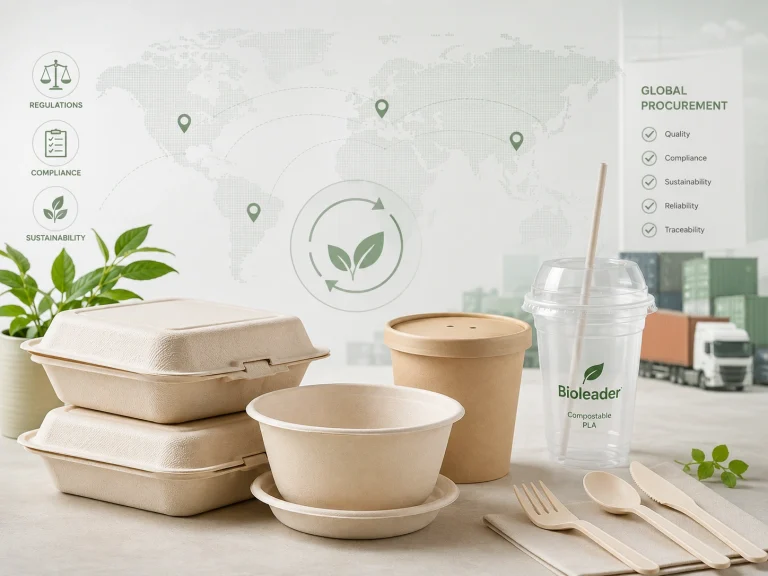
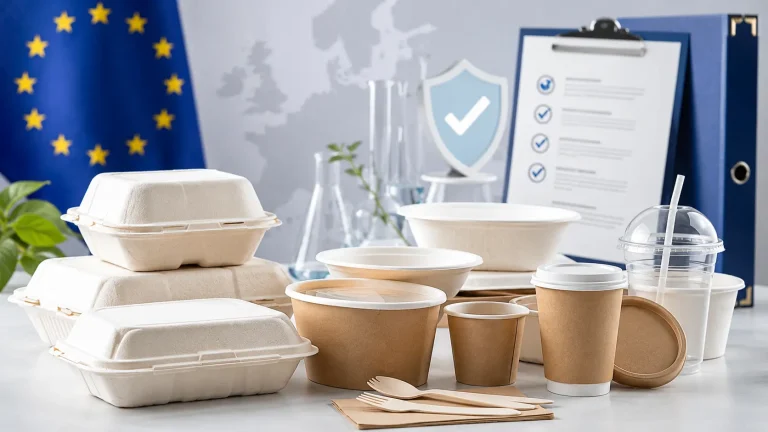
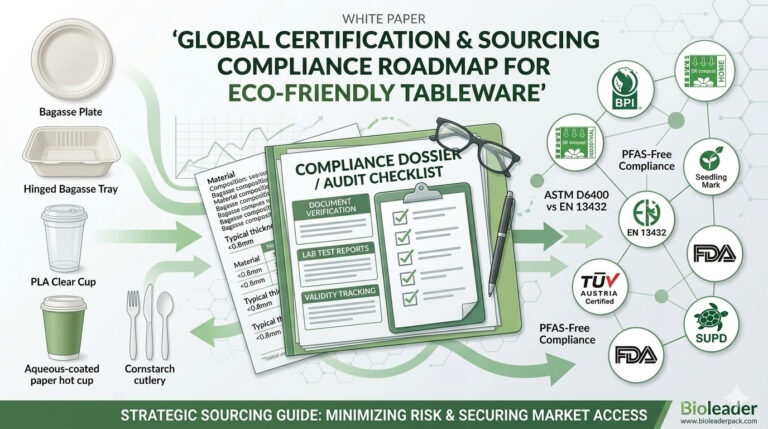
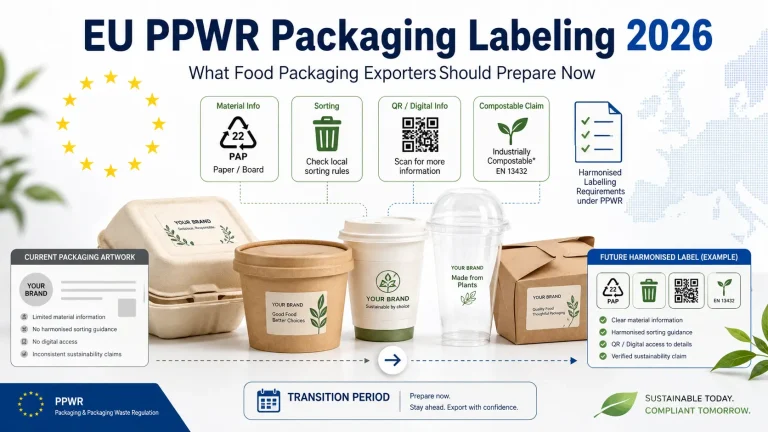
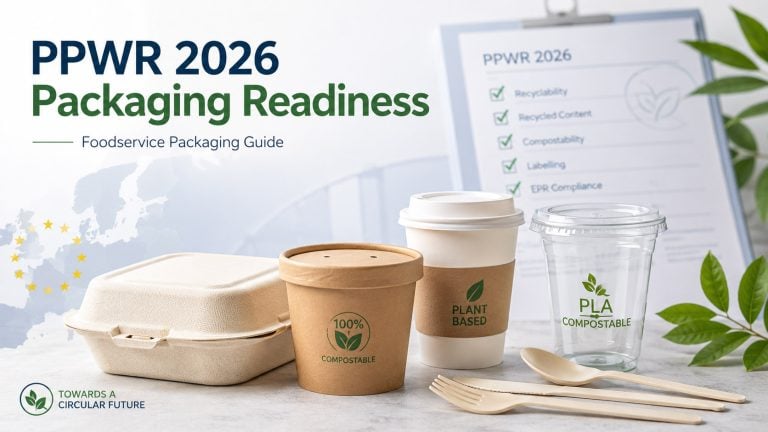
The EU Packaging and Packaging Waste Regulation (PPWR, 2024/XXX) mandates: All food packaging must be designed for reuse or high-quality recycling by 2030. Traceability features (unique IDs, digital passports) are required for food contact packaging by 2025–2026. Compostable packaging must comply with EN 13432 (industrial compostability) or EN 17033 (home compostability), including validation of added active/intelligent features (OJ EU, 2024) — active packaging.

Related Insights

🚀Ready to Go Green and Choose ?

Join the global movement toward zero-waste packaging.


Bioleader® offers:

  • 📦 Bulk order support & fast delivery

  • ✍️ Custom branding and OEM solutions

  • 🌍 Worldwide eco-packaging compliance

Get the Catalogue Products List  & Contact Us Now! 👉

Contact us Below

Click or drag files to this area to upload.You can upload up to 5 files.
The more details you share, the faster and more accurate our quotation will be.