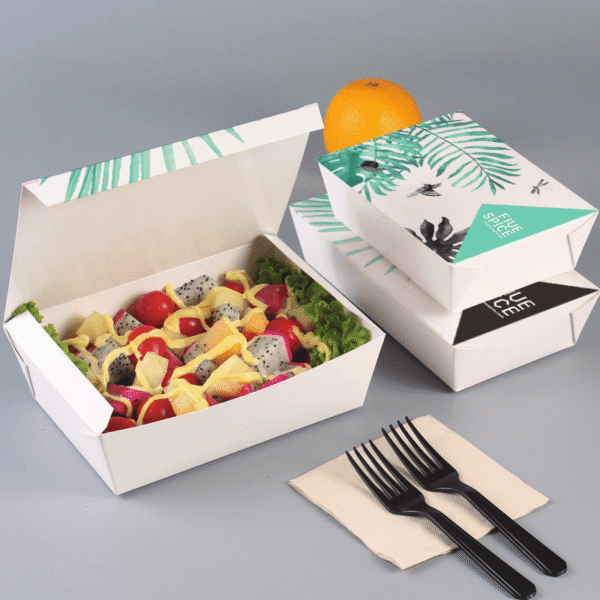
As a global innovator in sustainable food packaging, Bioleader® is proud to present this in-depth analysis of biodegradable packaging trends shaping the industry in 2025 and beyond. Drawing from our expertise in material science, regulatory compliance, and international market dynamics, this report explores how brands, policymakers, and consumers are driving rapid change worldwide. We highlight the critical role of next-generation materials—like bagasse, PLA, and cornstarch—and examine the regulatory, technological, and cultural forces accelerating the shift to eco-friendly solutions. Our goal is to empower decision-makers with actionable insights for building a more sustainable future.
1. Introduction
The Urgency of Sustainable Packaging
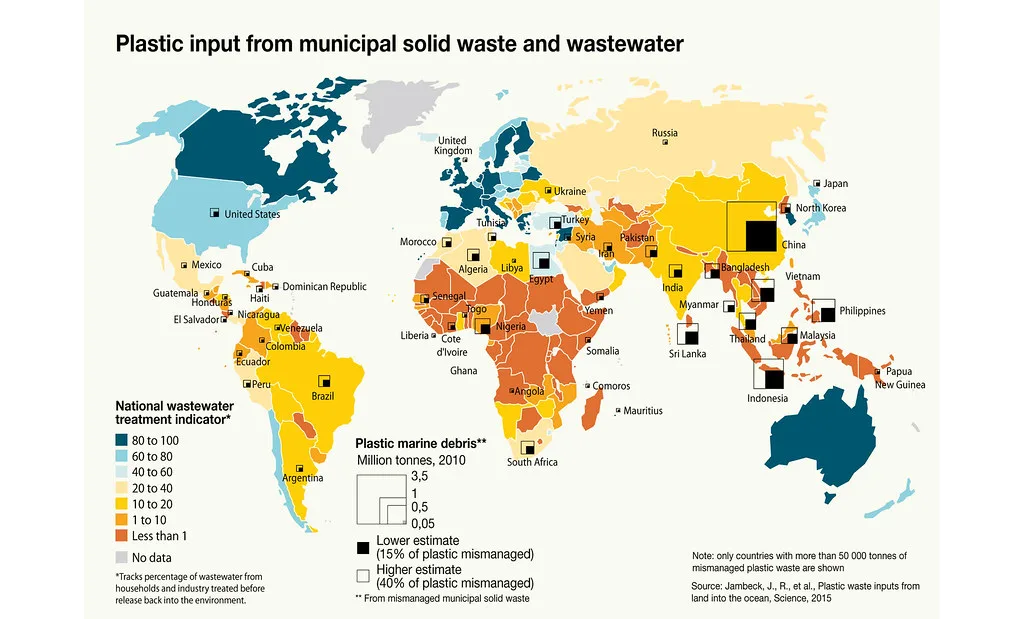
In the 21st century, sustainable packaging has transitioned from a niche market consideration to a strategic imperative for global brands, retailers, and manufacturers. Environmental degradation, plastic pollution, and mounting consumer concern over single-use plastics have made it clear: the packaging industry must evolve. The scale of the issue is staggering—according to the United Nations Environment Programme, over 400 million tons of plastic waste are generated annually, with packaging accounting for more than one-third of that total. This reality is driving a paradigm shift toward biodegradable and compostable packaging solutions across all major markets.
Why Biodegradable Solutions Are Gaining Traction
Biodegradable packaging, including plant-based materials such as bagasse, cornstarch, and polylactic acid (PLA), is rapidly gaining adoption worldwide. Several critical factors are behind this trend:
Regulatory Pressure: Governments at both national and regional levels are instituting bans on certain plastics and mandating minimum recycled or compostable content.
Corporate Commitments: Major brands and foodservice operators are publicly pledging to reduce plastic waste, seeking innovative solutions that align with ESG (Environmental, Social, Governance) goals.
Consumer Awareness: Modern consumers are more informed and selective, favoring brands with authentic environmental credentials.
Market Opportunity: As traditional plastics face increased scrutiny, the demand for high-performance, biodegradable alternatives is accelerating—creating new opportunities for innovation and leadership.
At Bioleader®, we believe that biodegradable packaging is not merely an environmental solution—it is a driver of long-term brand value, customer loyalty, and global market relevance.
2. Current Market Overview
Global Market Size and Growth Projections (2025–2030)
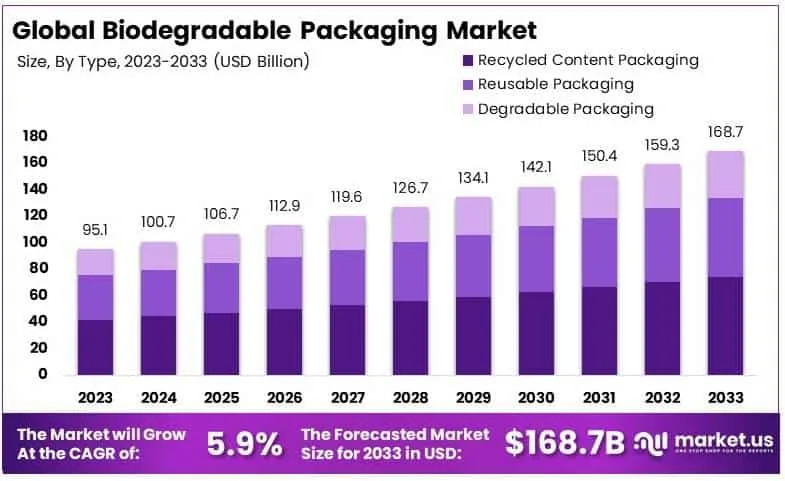
The global market for biodegradable packaging is undergoing exponential growth. As of 2025, industry reports estimate the sector’s value at approximately $14 billion, with projections indicating a CAGR (Compound Annual Growth Rate) of over 15% through 2030. This robust expansion is fueled by heightened regulatory standards, increased investments in sustainable infrastructure, and a shift in consumer preferences away from fossil-based plastics.
Asia-Pacific is expected to witness the fastest growth, driven by urbanization, government action, and rapid adoption among foodservice providers.
Europe remains a global leader due to stringent regulations and an advanced composting ecosystem.
North America continues to scale, particularly in quick-service restaurants and online food delivery.
Key Drivers: Legislation, Consumer Awareness, and Corporate Commitments
Legislation: More than 120 countries have enacted laws restricting single-use plastics, creating both challenges and opportunities for packaging manufacturers.
Consumer Awareness: Eco-labeling, transparent sourcing, and lifecycle assessments are now essential in marketing and product development.
Corporate Commitments: Global brands are setting ambitious goals—for example, pledging to use 100% recyclable, compostable, or reusable packaging by 2030.
3. Major Regional Dynamics
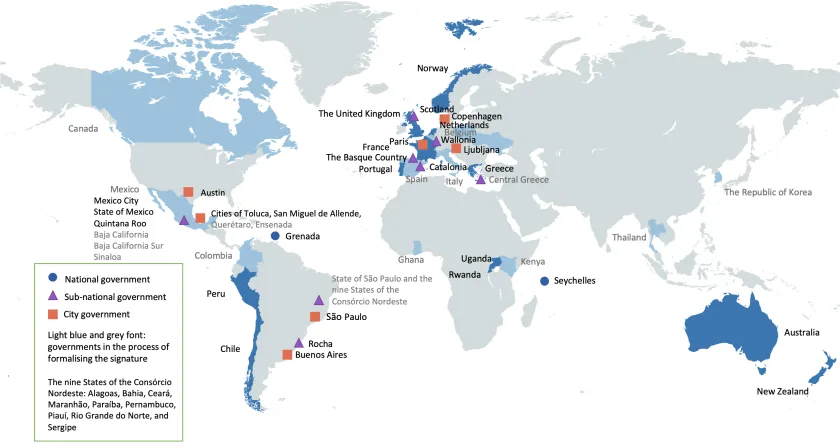
Europe: The Impact of the EU Single-Use Plastics Directive
Europe’s leadership in sustainable packaging is shaped by the EU Single-Use Plastics Directive, which bans or restricts a wide array of plastic items. This regulatory clarity accelerates investment in biodegradable and compostable materials. Notably, major European retailers and quick-service chains now require certified compostable packaging as a procurement standard.
North America: Corporate Responsibility and Municipal Bans
In North America, change is driven by a combination of municipal bans, state-level regulations, and voluntary commitments from leading QSR (Quick Service Restaurant) chains. California and New York, for instance, have implemented progressive policies that set benchmarks for the rest of the continent.
Asia-Pacific: Rapid Adoption Amidst Regulatory Diversity
Asia-Pacific presents both vast potential and unique challenges. Countries like Japan and South Korea have advanced waste management systems and high consumer expectations, while emerging economies such as India and China are piloting large-scale plastic reduction campaigns and embracing biodegradable alternatives at an unprecedented pace.
Other Emerging Markets
Africa, Latin America, and the Middle East are increasingly adopting biodegradable packaging, spurred by international partnerships, foreign investment, and the need to address local environmental challenges. The role of education and government incentives remains critical in these regions.
4. Technological Innovations
Next-Generation Biopolymers: PLA, CPLA, and Beyond
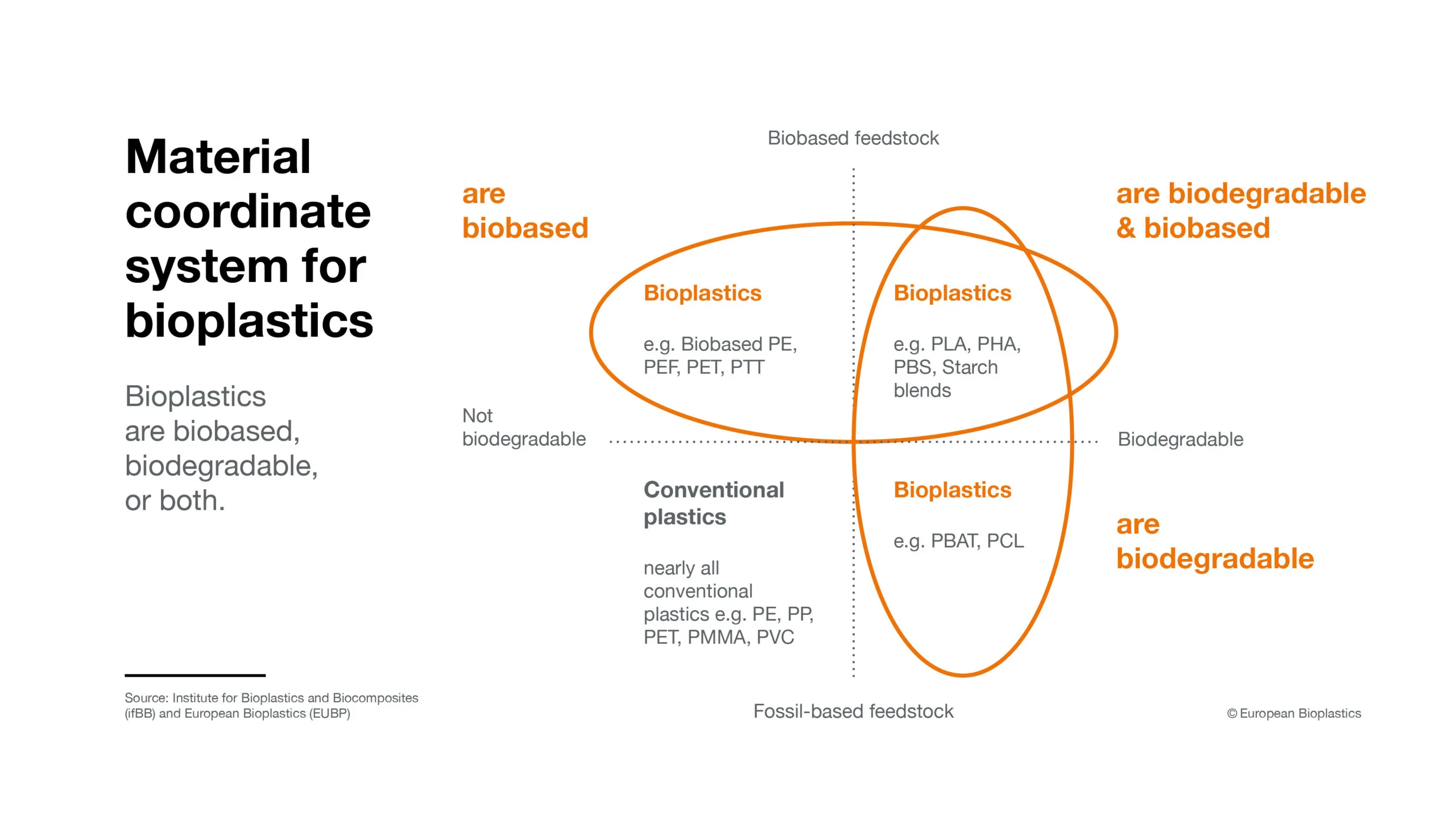
Biodegradable packaging is at the forefront of material science innovation. Leading the charge are next-generation biopolymers such as PLA (Polylactic Acid), CPLA (Crystallized PLA), and advanced starch blends. PLA, derived from renewable resources like corn and sugarcane, offers high clarity and is widely used for cups, lids, and clamshells. CPLA, a heat-resistant version, enables the production of sturdy, compostable cutlery and hot food containers. In addition, R&D teams worldwide—including at Bioleader®—are exploring novel polymers that increase barrier properties, strength, and shelf life while remaining fully compostable.
Bagasse, Cornstarch, and Areca: Materials Comparison
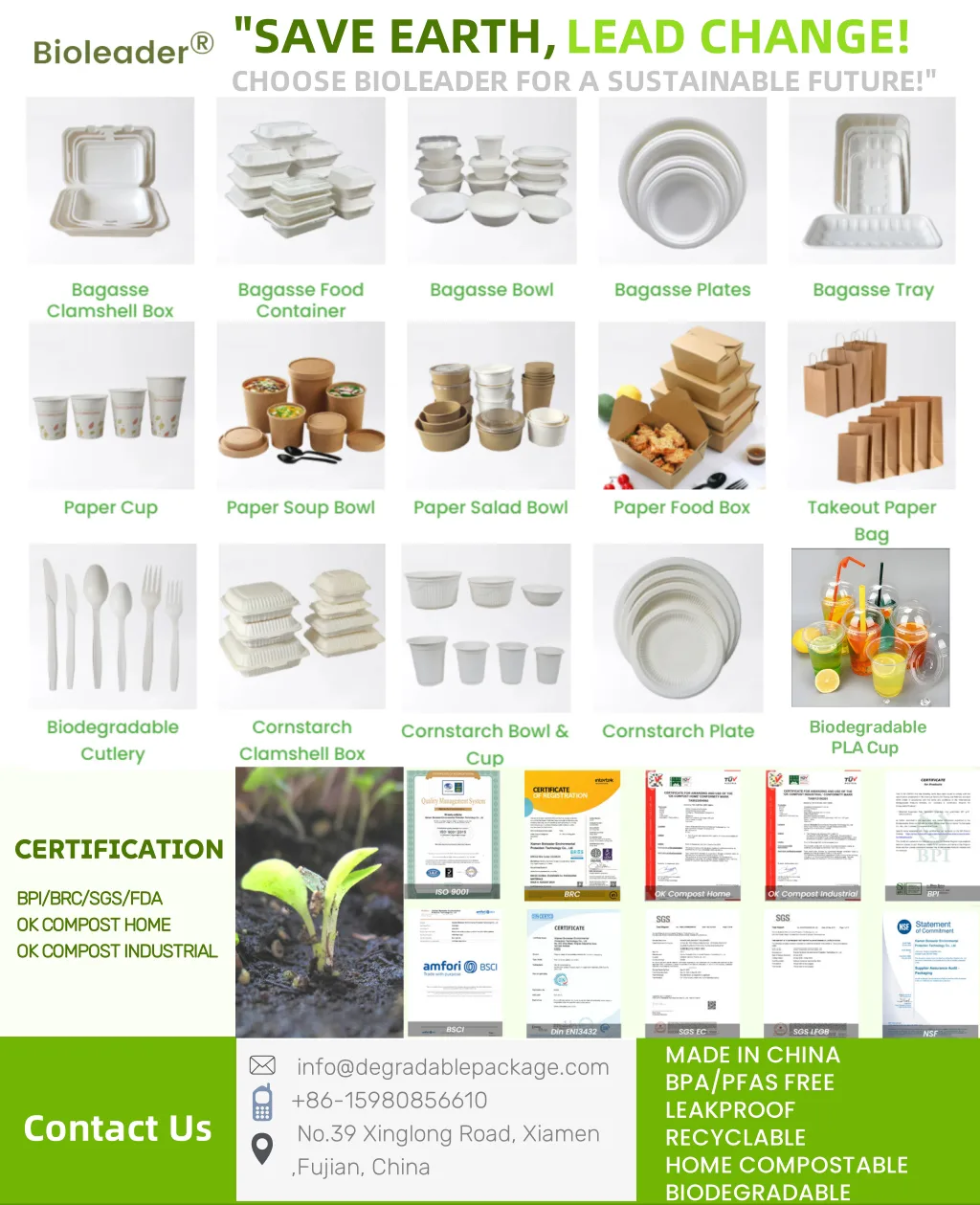
Bagasse: A by-product of sugarcane processing, bagasse is now a mainstream raw material for plates, bowls, trays, and clamshell packaging. Its rapid renewability, natural compostability, and excellent thermal performance make it a top choice for food service.
Cornstarch: Often blended with PLA, cornstarch is used to produce cutlery, straws, and containers. Its lightweight and cost-effective nature, along with its clear biodegradation pathway, support mass-market adoption.
Areca: Areca palm leaves, pressed into plates and bowls, are gaining popularity for premium dining and events, particularly in regions focused on zero-waste solutions.
Bioleader® Advantage:
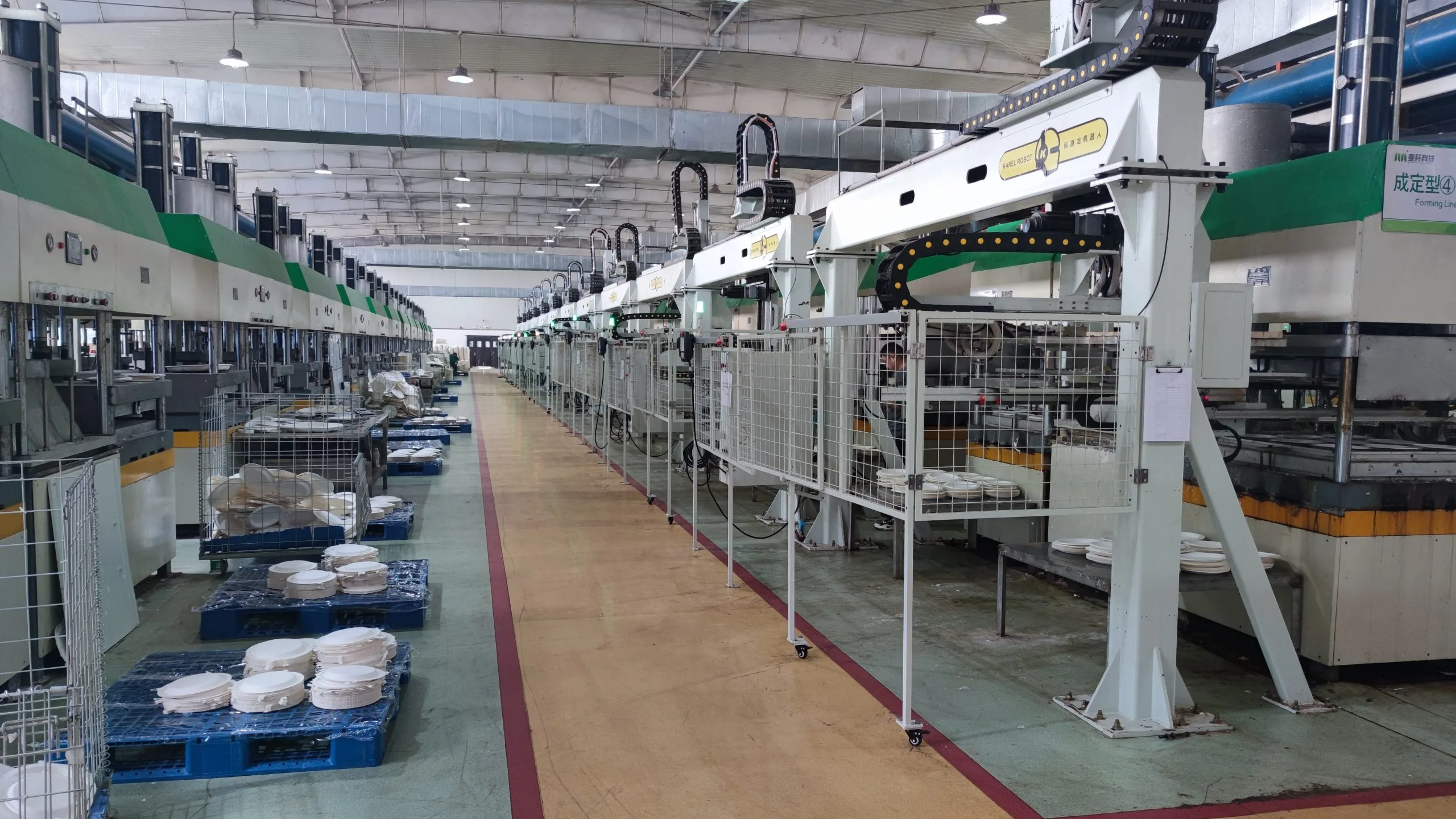
Bioleader® leverages advanced molding and coating technologies to optimize the functionality and shelf life of bagasse and cornstarch-based products. Our R&D focuses on water-based and biodegradable coatings that ensure both food safety and compostability, meeting the evolving demands of international foodservice clients.
Advances in Coatings and Additives for Food Contact Safety
Traditional coatings often relied on plastics or fluorinated compounds (PFAS), which are now under regulatory scrutiny due to health concerns. New-generation water-based coatings, plant-derived waxes, and mineral barriers are redefining the industry standard, making it possible for biodegradable packaging to be both grease-resistant and 100% compostable.
5. Competitive Landscape
Leading Global Manufacturers and Regional Champions
The competitive environment for biodegradable packaging is dynamic, with a blend of established global leaders and agile regional innovators. Multinational corporations dominate volume production and supply chains, while regional champions—like Bioleader®—excel in innovation, customization, and rapid response to market trends.
Global Players: Companies headquartered in North America and Europe lead in terms of scale, patented technology, and global distribution.
Asian Innovators: Chinese and Indian manufacturers are disrupting the industry through advanced automation, cost efficiencies, and large-scale exports.
Bioleader® Positioning:
As a recognized authority in Asia’s biodegradable packaging sector, Bioleader® sets itself apart through an unwavering focus on quality, regulatory compliance, and customer-centric innovation. Strategic partnerships with international brands and a robust supply chain allow us to meet the evolving requirements of both global and local markets.
Strategic Alliances, M&A, and Market Entry Barriers
Strategic Alliances: Joint ventures and strategic partnerships are fueling R&D, expanding distribution channels, and accelerating time-to-market for new products.
Mergers & Acquisitions: Increased M&A activity is consolidating industry expertise and boosting the scalability of innovative technologies.
Market Entry Barriers: Stringent certification requirements, IP protection, and the need for robust composting infrastructure present hurdles for new entrants.
6. Regulatory Trends and Compliance
Overview of Key Global Regulations
Regulatory frameworks are rapidly evolving. The European Union’s EN 13432 standard, the United States’ ASTM D6400, and China’s national biodegradable standards set rigorous benchmarks for compostability and biodegradation. The implementation of Extended Producer Responsibility (EPR) policies further compels manufacturers to account for the end-of-life impact of their products.
Certification Standards: ASTM, EN 13432, Home vs. Industrial Compostability
Industrial Compostability: Most certifications require that materials decompose within 90–180 days under controlled industrial composting conditions.
Home Compostability: A higher bar, home compostable products must break down at lower temperatures and in varied environmental conditions, ensuring real-world impact even without access to municipal facilities.
Bioleader® Commitment:
Every Bioleader® product undergoes rigorous third-party testing to ensure compliance with international standards, giving partners and end-users confidence in environmental claims and performance. Our documentation and labeling practices reflect full transparency—a core pillar of our brand promise.
7. Consumer Insights and Changing Behaviors
Market Demand Shifts: Foodservice, Retail, and E-commerce
Foodservice: The surge in delivery and takeaway has made sustainable packaging a priority for restaurants, cafés, and caterers seeking to attract eco-conscious customers.
Retail & E-commerce: Retailers are adopting compostable packaging as a market differentiator, while e-commerce platforms are incentivizing sellers to adopt sustainable alternatives to minimize plastic waste.
The Rise of Eco-Conscious Branding and Greenwashing Risks
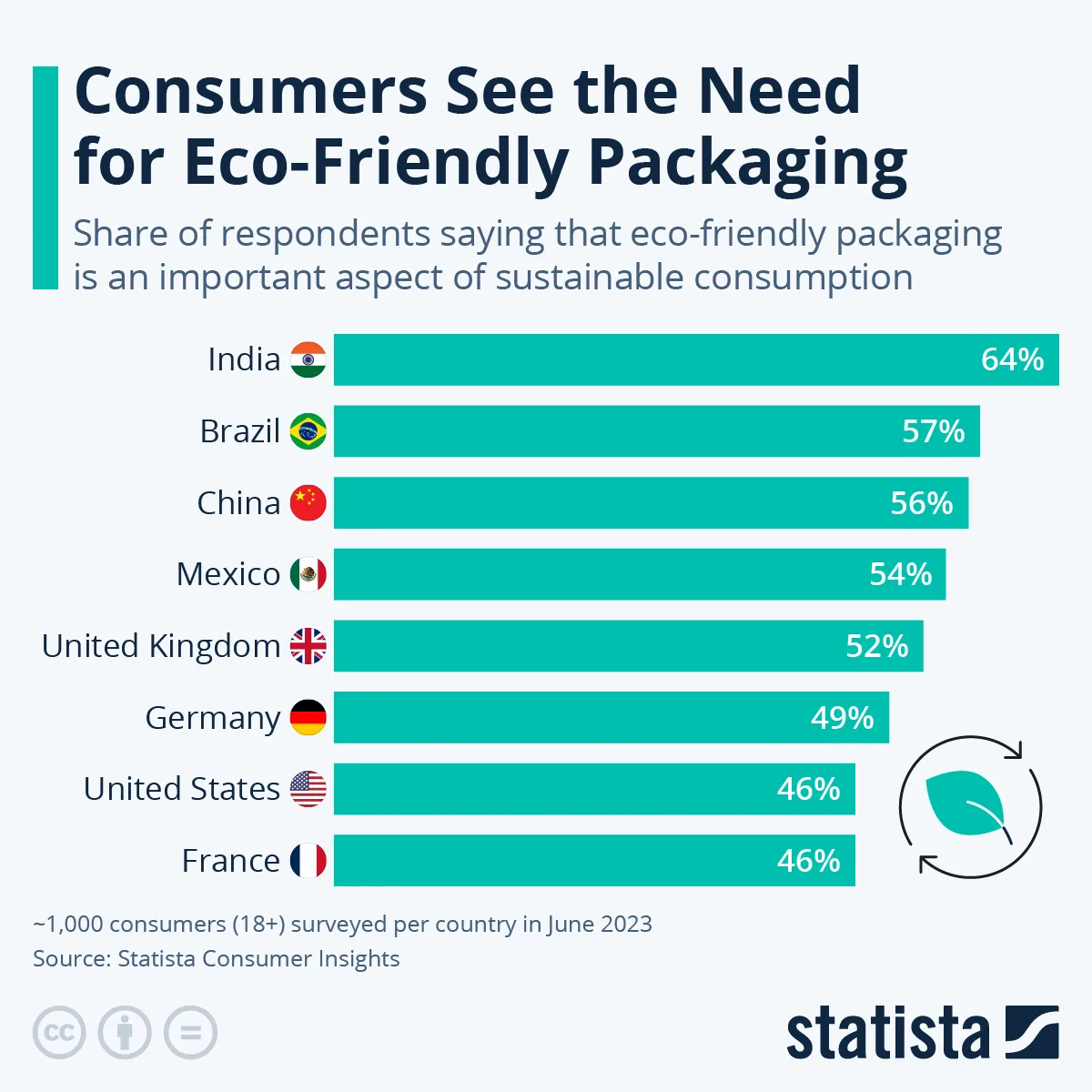
Consumers are more discerning than ever. Genuine, transparent sustainability claims drive loyalty and repeat purchases, while vague or misleading assertions—so-called “greenwashing”—invite regulatory scrutiny and reputational risk.
Bioleader® Insight:
Bioleader® educates partners and consumers alike, equipping them with facts about material sourcing, disposal best practices, and environmental benefits. Our clear labeling and educational content help customers make informed choices—building trust in an increasingly crowded market.
8. Challenges and Opportunities
Cost, Performance, and Supply Chain Considerations
Despite accelerating adoption, the biodegradable packaging industry faces structural challenges:
Cost Competitiveness: Biodegradable materials currently carry a premium over traditional plastics due to raw material sourcing, technology investment, and smaller-scale production. However, as economies of scale improve and regulations tighten, this gap is narrowing.
Performance Limitations: Not all biopolymers match plastics in moisture, oxygen, or grease resistance—demanding continuous R&D.
Supply Chain Resilience: Global disruptions—such as those seen during the COVID-19 pandemic—highlighted the importance of localized sourcing, flexible logistics, and reliable supplier relationships.
Opportunity for Leaders:
Companies that invest early in material science, automation, and supply chain integration—such as Bioleader®—are better positioned to deliver stable, high-quality, and cost-competitive solutions at global scale.
Scaling Up Composting Infrastructure
A core challenge for the sector remains the lack of widespread composting and collection systems, particularly in emerging markets. Industrial composting facilities are essential to realizing the full environmental benefits of biodegradable packaging. Industry leaders are collaborating with local governments and NGOs to expand infrastructure, educate consumers, and advocate for policy alignment.
Education, Misconceptions, and Transparency
Persistent misconceptions—such as confusion between “biodegradable” and “compostable”—can undermine consumer trust. Transparent, science-based communication and credible third-party certification are vital for maintaining industry integrity and accelerating mainstream adoption.
9. Case Studies: Pioneering Success Stories
Bioleader®: Driving Change with Innovation and Quality
Bioleader® exemplifies how focused innovation and rigorous quality assurance can drive industry transformation:
Integrated R&D: By investing in proprietary molding, coating, and automation technologies, Bioleader® develops products tailored for both local and international regulatory requirements.
Global Partnerships: Collaboration with global F&B brands and distributors ensures that Bioleader® solutions meet diverse market needs while maintaining best-in-class performance and sustainability.
Education & Outreach: Bioleader® partners with NGOs, schools, and local communities to promote composting literacy and responsible consumption.
International Best Practices
Europe: A leading multinational supermarket chain transitioned all fresh food packaging to certified compostable trays, reducing plastic use by 900 tons annually and strengthening customer loyalty.
Asia-Pacific: Large-scale government pilot programs in cities like Shanghai and Tokyo have proven the effectiveness of biodegradable packaging in municipal waste streams, setting templates for broader adoption.
10. Future Outlook
Emerging Materials and Circular Economy Initiatives
The next decade will see the commercialization of even more advanced materials—such as seaweed-based films, mycelium (mushroom root) packaging, and upcycled agricultural waste. These innovations will further reduce dependency on petroleum-based plastics.
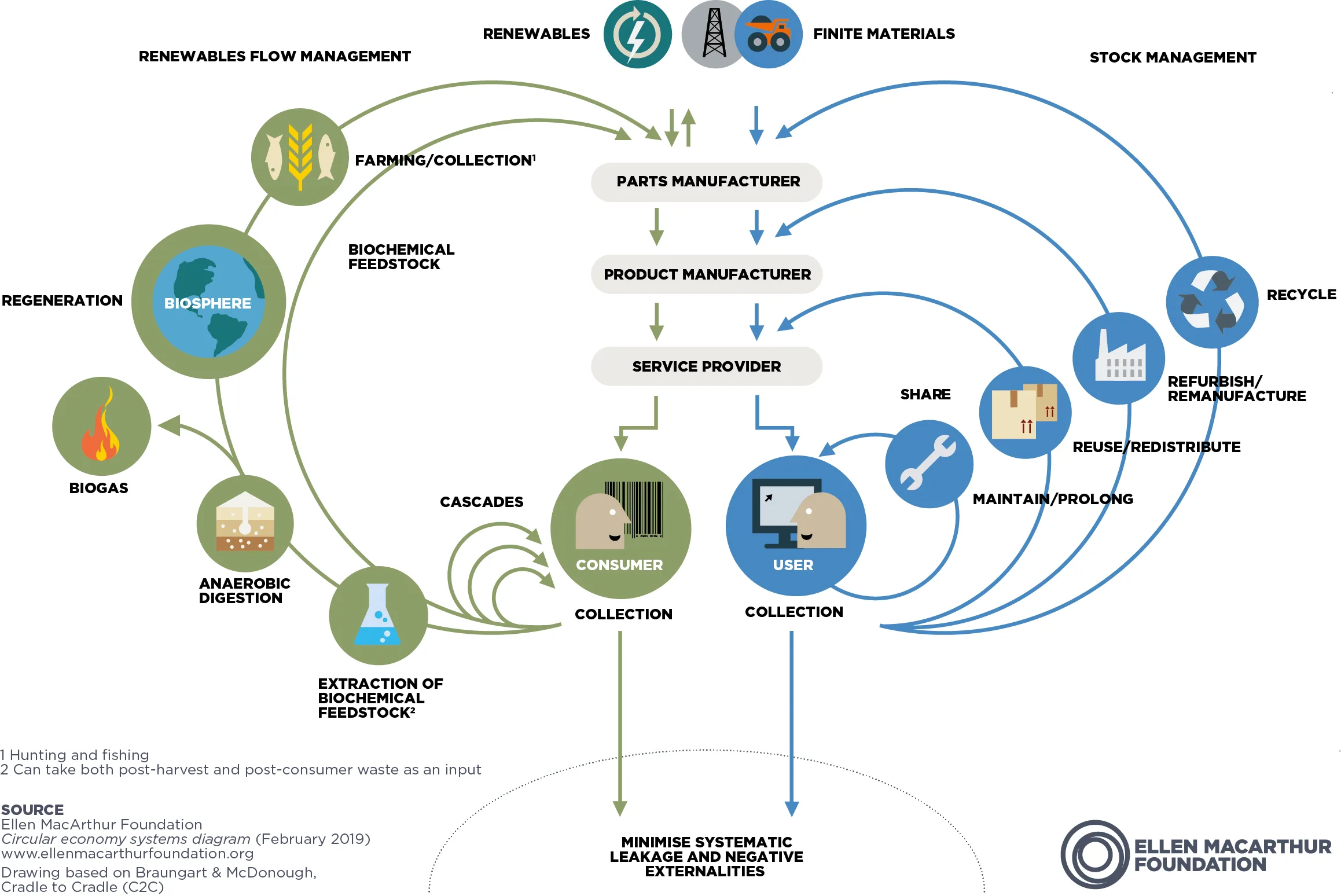
A genuine circular economy approach—whereby packaging materials are recovered, composted, and reintegrated into new products—will become the new gold standard. Data-driven traceability, digital product passports, and blockchain will support transparency, compliance, and optimization across the value chain.
What’s Next: Digitalization, Traceability, and Data-Driven Sustainability
Technology will play an ever-increasing role. Smart labeling, QR code-enabled traceability, and real-time environmental impact dashboards will empower businesses and consumers to make data-driven choices—aligning with rising expectations for accountability and measurable results.
Bioleader® Vision:
Bioleader® is committed to remaining at the forefront of this transformation, continually investing in R&D, digital infrastructure, and global partnerships to advance a truly sustainable packaging future.
11. Conclusion
Key Takeaways for Stakeholders
The shift toward biodegradable packaging is irreversible. Driven by regulation, consumer preference, and technological breakthroughs, it is reshaping the global packaging landscape.
Leadership demands innovation, transparency, and collaboration. Stakeholders who embrace sustainable design, credible claims, and ecosystem-wide partnerships will capture outsized value.
The future is circular, data-driven, and inclusive. Only those organizations that view sustainability as an integrated business strategy—not merely a compliance issue—will thrive in the coming decade.
Strategic Recommendations for Brands and Suppliers
Invest in R&D: Develop next-generation products that balance performance, cost, and environmental impact.
Build Robust Supply Chains: Strengthen relationships and localize sourcing to ensure resilience.
Educate the Market: Champion transparency and customer education to eliminate greenwashing and build lasting trust.
Collaborate for Impact: Work with governments, NGOs, and industry peers to scale up infrastructure and standardization.
Bioleader® stands ready to partner with global foodservice, retail, and e-commerce leaders—offering not just products, but expertise, innovation, and a shared vision for a cleaner planet.
12. FAQ: Biodegradable Packaging in 2025 and Beyond
Q1: What is the difference between biodegradable and compostable packaging?
A: All compostable packaging is biodegradable, but not all biodegradable packaging is certified to break down safely in composting environments. Look for third-party certifications such as EN 13432 or ASTM D6400.
Q2: Can biodegradable packaging be recycled?
A: Most biodegradable packaging should be composted, not recycled. Mixing it with traditional recycling streams may contaminate recyclables.
Q3: What is the expected timeframe for compostable packaging to decompose?
A: Industrially compostable products typically break down within 90–180 days. Home compostable items may take longer, depending on conditions.
Q4: Is biodegradable packaging suitable for hot foods and liquids?
A: Modern biodegradable materials such as bagasse and CPLA can safely handle hot foods and beverages up to 120°C. Always check product specifications.
Q5: How does Bioleader® ensure its products meet international standards?
A: Bioleader® products undergo rigorous third-party testing and are certified to meet or exceed leading international standards for compostability and food safety.
13. References
United Nations Environment Programme (UNEP)
“Single-Use Plastics: A Roadmap for Sustainability”
https://www.unep.org/resources/report/single-use-plastics-roadmap-sustainabilityEuropean Commission
“Directive (EU) 2019/904 on the reduction of the impact of certain plastic products on the environment”
https://eur-lex.europa.eu/legal-content/EN/TXT/?uri=CELEX:32019L0904ASTM International (No individual author)
“ASTM D6400-23 Standard Specification for Labeling of Plastics Designed to be Aerobically Composted in Municipal or Industrial Facilities”
https://www.astm.org/d6400-23.htmlCEN/European Committee for Standardization (No individual author)
“EN 13432:2000 – Requirements for packaging recoverable through composting and biodegradation”
https://standards.iteh.ai/catalog/standards/cen/97eeb819-3f6d-40f0-82a8-004c4d6e2f1b/en-13432-2000Ellen MacArthur Foundation
“The New Plastics Economy: Rethinking the future of plastics & catalysing action”
https://ellenmacarthurfoundation.org/the-new-plastics-economy-rethinking-the-future-of-plasticsEuropean Bioplastics Association
“Bioplastics Market Data 2023”
https://www.european-bioplastics.org/market/Statista Research Department
“Biodegradable Packaging Market Size Worldwide 2020-2027”
https://www.statista.com/statistics/1178303/biodegradable-packaging-market-size-worldwide/Food and Agriculture Organization of the United Nations (FAO)
“Utilization of byproducts and waste materials in biodegradable packaging”
https://www.fao.org/3/i2727e/i2727e.pdfInternational Organization for Standardization (ISO)
“ISO 18606:2013 – Packaging and the environment — Organic recycling”
https://www.iso.org/standard/55803.htmlU.S. Environmental Protection Agency (EPA)
“Sustainable Management of Materials: Non-Hazardous Materials and Waste Management Hierarchy”
https://www.epa.gov/smm/sustainable-management-materials-non-hazardous-materials-and-waste-management-hierarchyPackaging Europe – David Wilson
“Compostable Packaging: Current Standards and Future Trends”
https://packagingeurope.com/features/compostable-packaging-current-standards-and-future-trends/7069.articleBioleader® Team
“Sustainable Food Packaging Solutions: Bagasse, PLA & Cornstarch”
https://www.bioleaderpack.com/about-pulp-molding/World Economic Forum (WEF) – Dominic Waughray et al.
“The New Plastics Economy: Catalysing Action”
https://www.weforum.org/reports/the-new-plastics-economy-catalysing-actionPlastics Industry Association
“2023 State of the Plastics Industry Report”
https://www.plasticsindustry.org/resources/industry-dataMarketsandMarkets™ Research
“Biodegradable Packaging Market by Material, Application, and Region – Global Forecast to 2027”
https://www.marketsandmarkets.com/Market-Reports/biodegradable-packaging-market-103290229.htmlSmithers (Smithers Pira) – Ciaran Little
“The Future of Sustainable Packaging to 2028”
https://www.smithers.com/services/market-reports/packaging/the-future-of-sustainable-packaging-to-2028Flexible Packaging Association (FPA) – Alison Keane, Esq.
“Sustainability and Flexible Packaging – A White Paper”
https://www.flexpack.org/resources/reports/sustainability-white-paperEuropean Parliament – Policy Department for Economic, Scientific and Quality of Life Policies
“Towards a Circular Economy – Waste Management in the EU”
https://www.europarl.europa.eu/RegData/etudes/STUD/2020/629177/IPOL_STU(2020)629177_EN.pdfMinistry of Environment, Japan
“Act on Promotion of Resource Circulation for Plastics”
https://www.env.go.jp/en/recycle/plastic/index.htmlMinistry of Ecology and Environment, People’s Republic of China
“Notice on Further Strengthening the Control of Plastic Pollution”
http://english.mee.gov.cn/News_service/news_release/202101/t20210120_819107.shtmlU.S. Food & Drug Administration (FDA)
“Guidance for Industry: Use of Recycled Plastics in Food Packaging”
https://www.fda.gov/regulatory-information/search-fda-guidance-documents/guidance-industry-use-recycled-plastics-food-packaging-chemistry-considerationsWRAP UK (Waste and Resources Action Programme) – Peter Maddox et al.
“PlasticFlow 2025: Plastic Packaging Flow Data Report”
https://wrap.org.uk/resources/report/plasticflow-2025-plastic-packaging-flow-data-reportOECD – Organisation for Economic Co-operation and Development
“Global Plastics Outlook: Economic Drivers, Environmental Impacts and Policy Options”
https://www.oecd.org/publications/global-plastics-outlook-10aa1b6e-en.htm