Zero Waste Packaging: Industry Overview | Bioleader®

Actionable coverage of Zero Waste Packaging: eco-friendly, biodegradable, compostable materials, performance data, and compliance under EN13432 & ASTM D6400. Includes BPI/TÜV references and Food-Contact Tested guidance for safe deployment. Buyer-focused: manufacturer insights, bulk/wholesale buying playbooks, OEM/ODM customization tips, full size range selection.

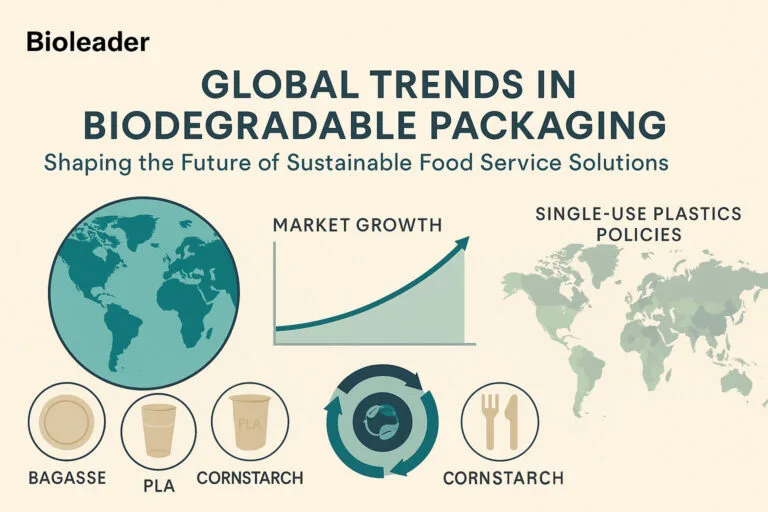
As a global innovator in sustainable food packaging, Bioleader® is proud to present this in-depth analysis of biodegradable packaging trends shaping the industry in 2025 and beyond. Drawing from our expertise in material science, regulatory compliance, and international market dynamics, this report explores how brands, policymakers, and consumers are driving rapid change worldwide. We highlight the critical role of next-generation materials—like bagasse, PLA, and cornstarch—and examine the regulatory, technological, and cultural forces accelerating the shift to eco-friendly solutions. Our goal is to empower decision-makers with actionable insights for building a more sustainable future.

Zero Waste Packaging — Quick Summary
  • Items displayed (articles): 12
  • Last updated: 2025-06-08
  • Includes test data, compliance guides, buyer FAQs, and real-world use cases.

Editor’s Picks: Top Zero Waste Packaging Guides 2026

FAQ of Bioleader's Eco-friendly Disposable Tableware

Why Customers Love Sugarcane Fiber Bowls:

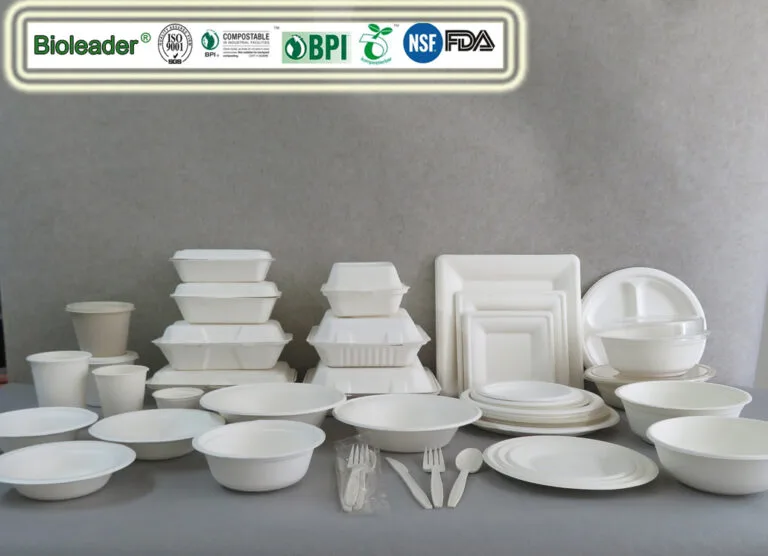
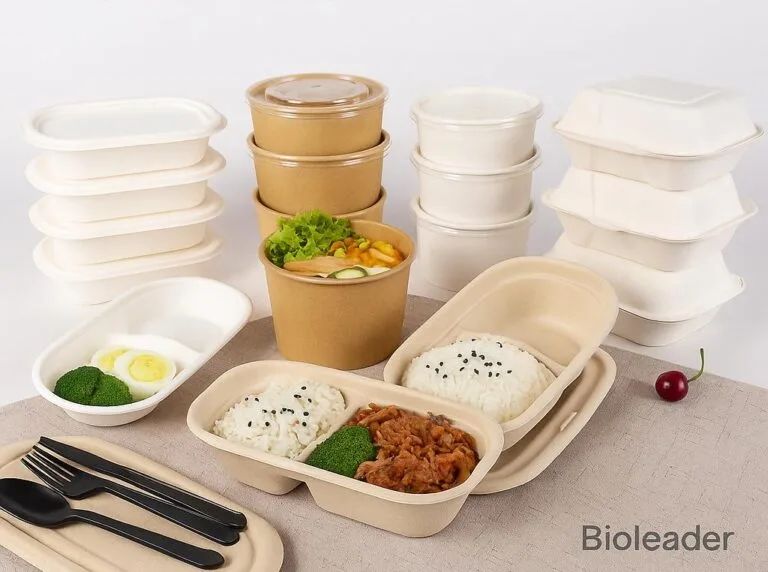
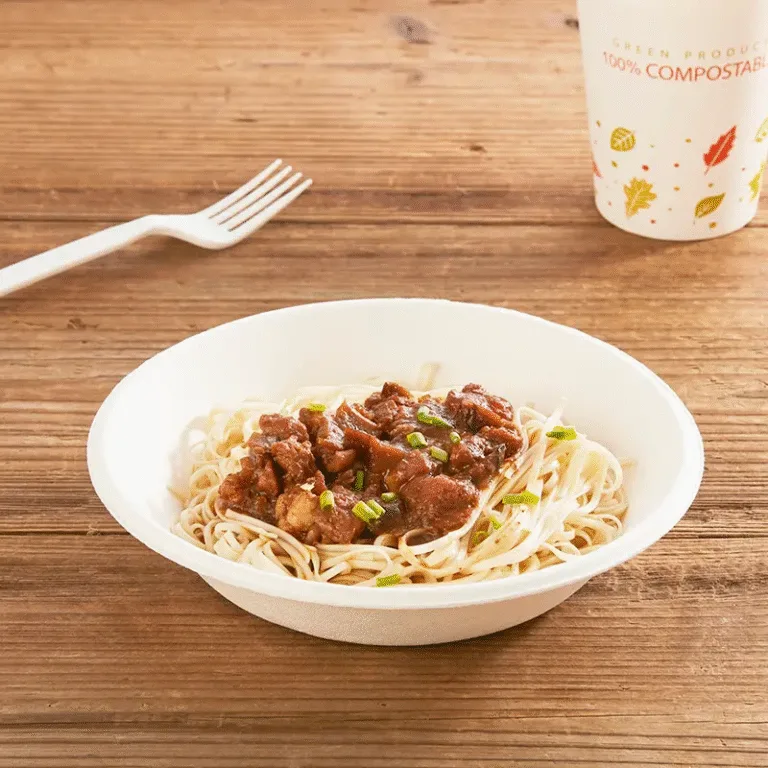
Sustainability at the Core: An increasing number of customers are turning to bagasse bowls since it is the best eco-friendly option for low-effort everyday life such as normal feeding, conducting parties, and even for takeout. Practical for a Wide Range of Foods: Not one food is left out, these biodegradable bowls work well with all types of food! Be it, salads, soup or even takeout, experience excellent performance — Zero Waste Packaging. A Safe Choice: With the worry about food containers that might be laden with harmful chemicals, sugarcane bowls become the better option for these consumers as the containers are free from such ingredients.

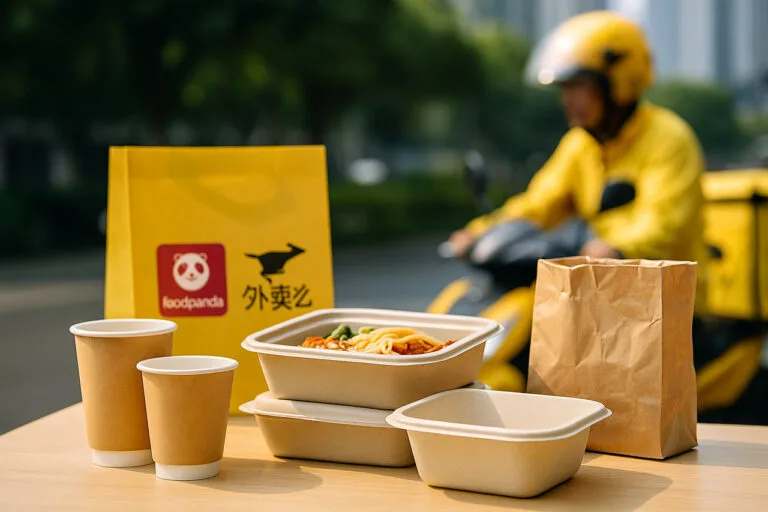
Takeaway Meal Packaging

This tray is well suited for rice dishes, noodles, combo meals, grilled foods, and lunch sets. The 1000ml capacity provides enough space for practical single-meal portions.

2. Are bagasse trays safe for hot and cold foods?

Yes. Bagasse trays are heat-resistant up to 120°C and freezer-safe, making them suitable for both hot meals and cold items. They are commonly used for takeout, school lunches, airline catering, and meal prep.

What are the main differences between PLA and CPLA?

PLA is known for its clarity and versatility but has lower heat resistance. CPLA, a crystallized form of PLA, offers enhanced heat resistance and durability, making it suitable for hot food packaging and durable cutlery.

The Urgency of Sustainable Packaging

In the 21st century, sustainable packaging has transitioned from a niche market consideration to a strategic imperative for global brands, retailers, and manufacturers — Zero Waste Packaging. Environmental degradation, plastic pollution, and mounting consumer concern over single-use plastics have made it clear: the packaging industry must evolve. The scale of the issue is staggering—according to the United Nations Environment Programme, over 400 million tons of plastic waste are generated annually, with packaging accounting for more than one-third of that total — Zero Waste Packaging. This reality is driving a paradigm shift toward biodegradable and compostable packaging solutions across all major markets.

Related Insights

🚀Ready to Go Green and Choose ?

Join the global movement toward zero-waste packaging.


Bioleader® offers:

  • 📦 Bulk order support & fast delivery

  • ✍️ Custom branding and OEM solutions

  • 🌍 Worldwide eco-packaging compliance

Get the Catalogue Products List  & Contact Us Now! 👉

Contact us Below

Click or drag files to this area to upload.You can upload up to 5 files.
The more details you share, the faster and more accurate our quotation will be.