Guide To Packaging Regulations: Materials, Standards & Best Practices | Bioleader® Guides

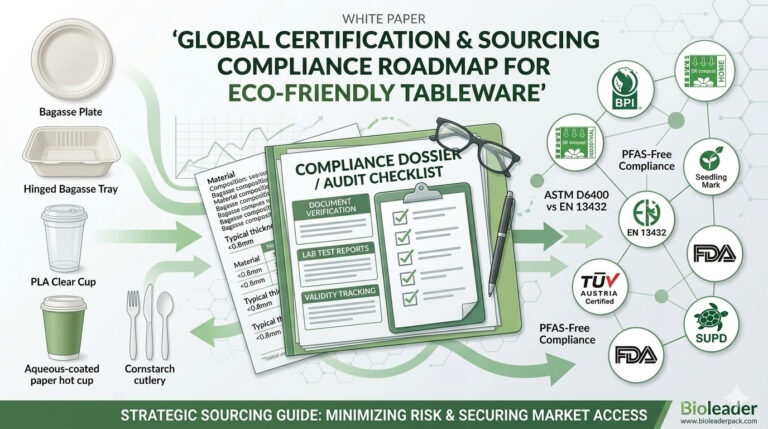
Actionable coverage of packaging regulations: eco-friendly, biodegradable, compostable materials, performance data, and compliance under EN13432 & ASTM D6400. Includes BPI/TÜV references and Food-Contact Tested guidance for safe deployment. Buyer-focused: manufacturer insights, bulk/wholesale buying playbooks, OEM/ODM customization tips, full size range selection.

Quick Summary:
PFAS-free packaging in 2025 is no longer an optional sustainability feature—it is a global compliance requirement driven by new regulations across the EU, U.S., Canada, and Asia. Verifying PFAS-free status requires more than supplier declarations; buyers must understand coating sources, raw material traceability, TOF and LC-MS/MS testing, and shipment-level audits to ensure true regulatory conformity.

packaging regulations — Quick Summary
  • Items displayed (articles): 12
  • Last updated: 2025-11-18
  • Includes test data, compliance guides, buyer FAQs, and real-world use cases.

Editor’s Picks: Top Packaging Regulations Guides 2026

FAQ of Bioleader's Eco-friendly Disposable Tableware

Material: Kraft Paper and White Cardboard Paper

Our eco-friendly disposable bowls contain primarily 2 materials that are used to make the bowls that are kraft paper and white cardboard paper. Both of the materials are durable and environmentally friendly. Kraft paper has a coarse natural appearance while white cardboard paper has a smooth, sleek surface. All of these materials are biodegradable which ensures compliance with the highest environmental requirements in product manufacture — packaging regulations.

Which food should I use these bowls for?

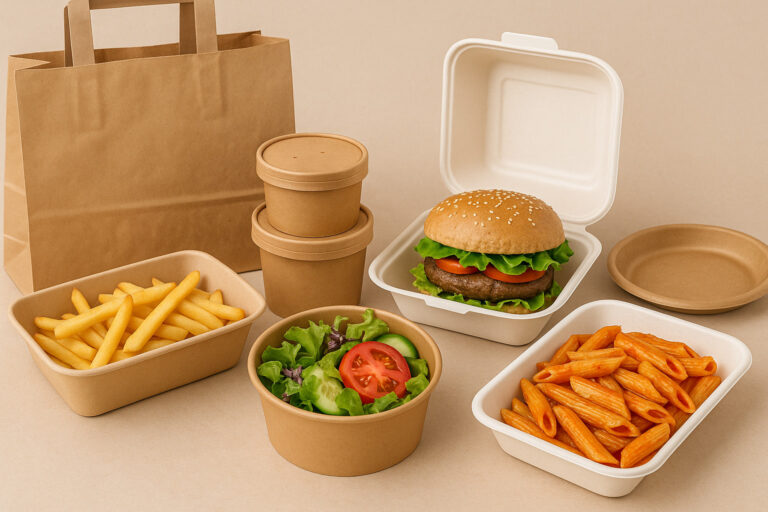
These bowls are multi-purpose and may be used for hot or cold food containing liquids, doling out soups, clogged salads, ice cream or even packing pasta.

Do the lids hold tight so there are no leakage problems while in transit?

Yes, the lids are designed in such a way that they are fastened to the container securely and will not let the contents escape or leak during transit, which is an ideal characteristic for takeaway and delivery orders.

Can biodegradable packaging be recycled?

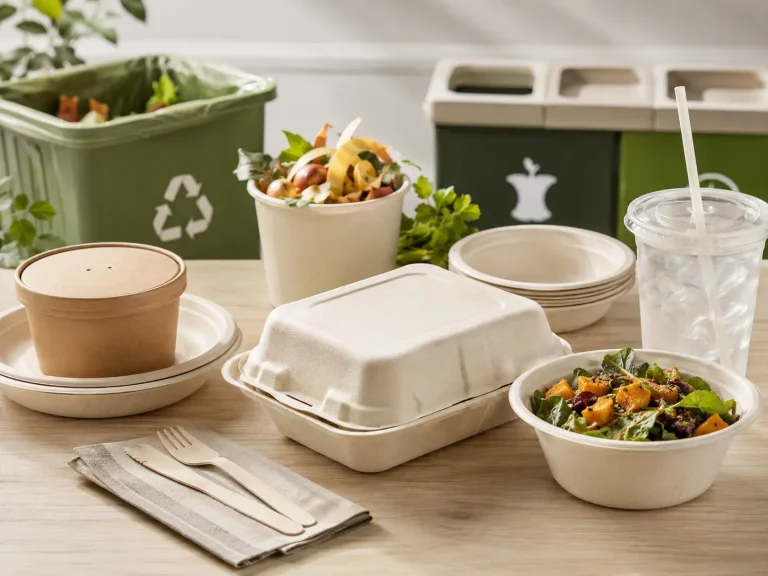
Most biodegradable packaging should be composted, not recycled — packaging regulations. Mixing it with traditional recycling streams may contaminate recyclables.

Which is more eco-friendly: PLA or PE?

PLA is more eco-friendly because it’s made from renewable resources and can be composted. PE is derived from fossil fuels and contributes to long-term plastic waste — packaging regulations.

Related Insights

🚀Ready to Go Green and Choose ?

Join the global movement toward zero-waste packaging.


Bioleader® offers:

  • 📦 Bulk order support & fast delivery

  • ✍️ Custom branding and OEM solutions

  • 🌍 Worldwide eco-packaging compliance

Get the Catalogue Products List  & Contact Us Now! 👉

Contact us Below

Click or drag files to this area to upload.You can upload up to 5 files.
The more details you share, the faster and more accurate our quotation will be.