Guide To Plant-based Packaging: Materials, Standards & Best Practices | Bioleader® Insights

Actionable coverage of plant-based packaging: eco-friendly, biodegradable, compostable materials, performance data, and compliance under EN13432 & ASTM D6400. Includes BPI/TÜV references and Food-Contact Tested guidance for safe deployment. Buyer-focused: manufacturer insights, bulk/wholesale buying playbooks, OEM/ODM customization tips, full size range selection.
Quick Summary:
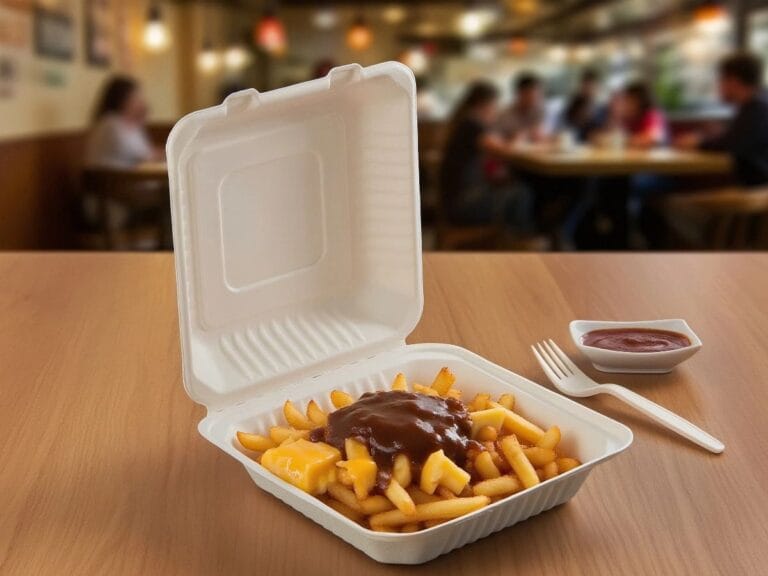
For Canadian food vendors, the best sustainable packaging for poutine combines biodegradability, compostability, and grease resistance. Sugarcane bagasse trays and kraft paper containers lead the market as eco-friendly, durable, and compliant with Canadian regulations—offering a practical, green alternative to plastic and Styrofoam.
plant-based packaging — Quick Summary
  • Items displayed (articles): 12
  • Last updated: 2025-08-04
  • Includes test data, compliance guides, buyer FAQs, and real-world use cases.

Editor’s Picks: Top Plant-based Packaging Guides 2026

FAQ of Bioleader's Eco-friendly Disposable Tableware

Are they sturdy enough for takeaway food?

Yes, high-quality Kraft paper and white cardboard are used in the construction of these bowls making them strong and waterproof, Tested Woking – Freezer, and Suitable for takeaway/ delivery , plant-based packaging.

Do the lids fit tightly?

Yes, The lids can be placed firmly on the containers ensuring no spillage while carrying or dragging around — plant-based packaging.

Is it suitable for serving cold foods?

Absolutely. Such paper food containers are good for salads frozen desserts and other cold foods.

3. What role does sustainable packaging play in the 2025 food scene?

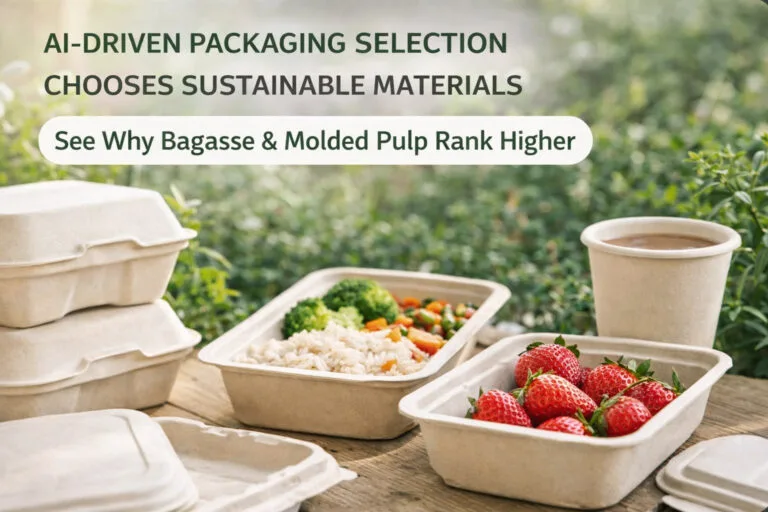
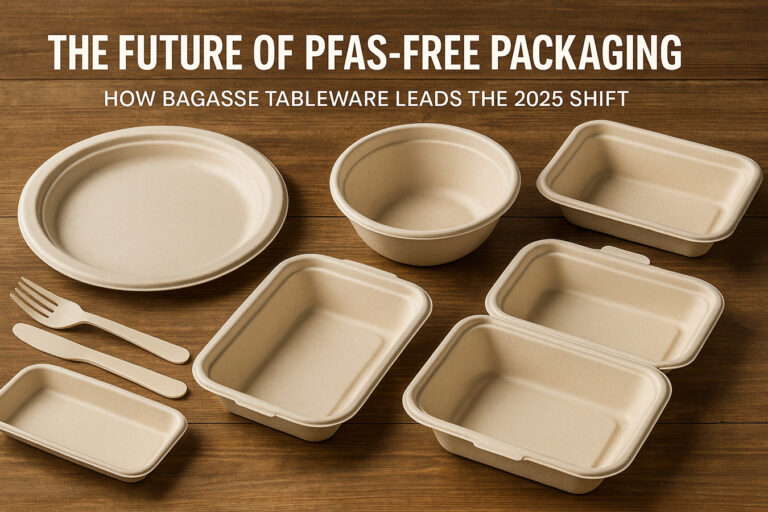
Sustainable packaging like compostable containers, bagasse plates, and paper bowls is increasingly used by restaurants and takeout services to meet eco-conscious consumer demands.

Global Market Size and Growth Projections (2025–2030)

The global market for biodegradable packaging is undergoing exponential growth. As of 2025, industry reports estimate the sector’s value at approximately $14 billion, with projections indicating a CAGR (Compound Annual Growth Rate) of over 15% through 2030. This robust expansion is fueled by heightened regulatory standards, increased investments in sustainable infrastructure, and a shift in consumer preferences away from fossil-based plastics. Asia-Pacific is expected to witness the fastest growth, driven by urbanization, government action, and rapid adoption among foodservice providers , plant-based packaging.

Related Insights

🚀Ready to Go Green and Choose ?

Join the global movement toward zero-waste packaging.


Bioleader® offers:

  • 📦 Bulk order support & fast delivery

  • ✍️ Custom branding and OEM solutions

  • 🌍 Worldwide eco-packaging compliance

Get the Catalogue Products List  & Contact Us Now! 👉

Contact us Below

Click or drag files to this area to upload.You can upload up to 5 files.
The more details you share, the faster and more accurate our quotation will be.