Guide To Sustainable Food Service Supplies: Materials, Standards & Best Practices | Bioleader® Sustainable Packaging

Actionable coverage of Sustainable Food Service Supplies: eco-friendly, biodegradable, compostable materials, performance data, and compliance under EN13432 & ASTM D6400. Includes BPI/TÜV references and Food-Contact Tested guidance for safe deployment. Buyer-focused: manufacturer insights, bulk/wholesale buying playbooks, OEM/ODM customization tips, full size range selection.
Sustainable Food Service Supplies — Quick Summary
  • Items displayed (articles): 12
  • Last updated: 2025-02-21
  • Includes test data, compliance guides, buyer FAQs, and real-world use cases.

Editor’s Picks: Top Sustainable Food Service Supplies Guides 2026

FAQ of Bioleader's Eco-friendly Disposable Tableware

For Takeaway, Restaurants, and Food Delivery

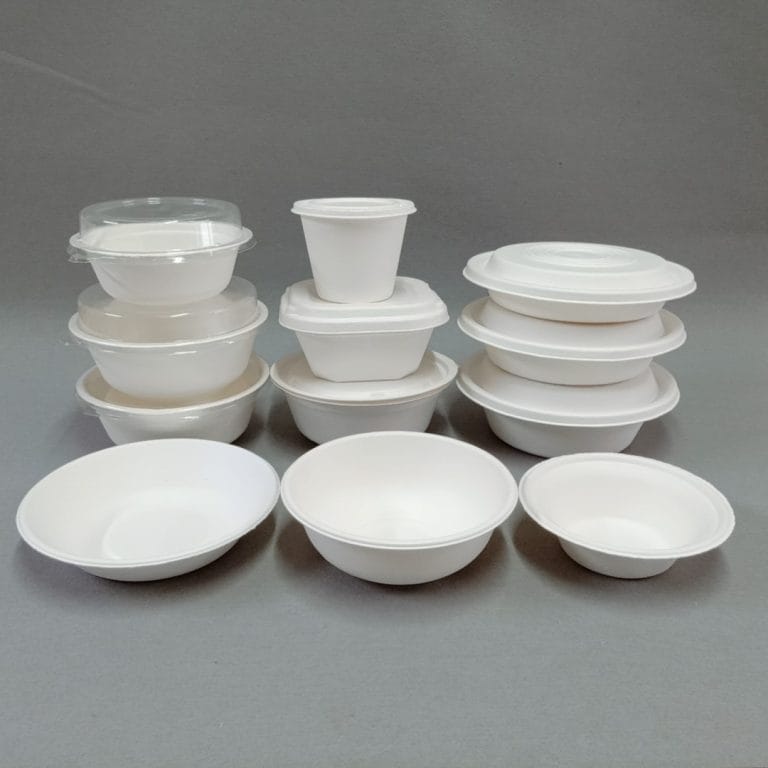
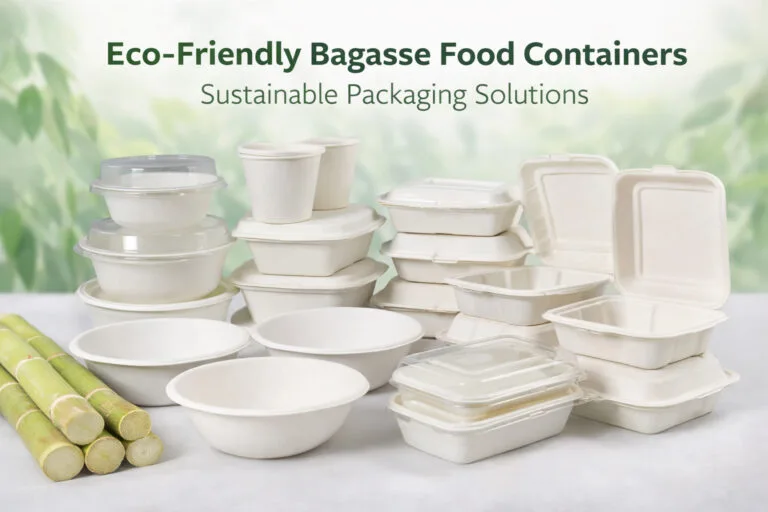
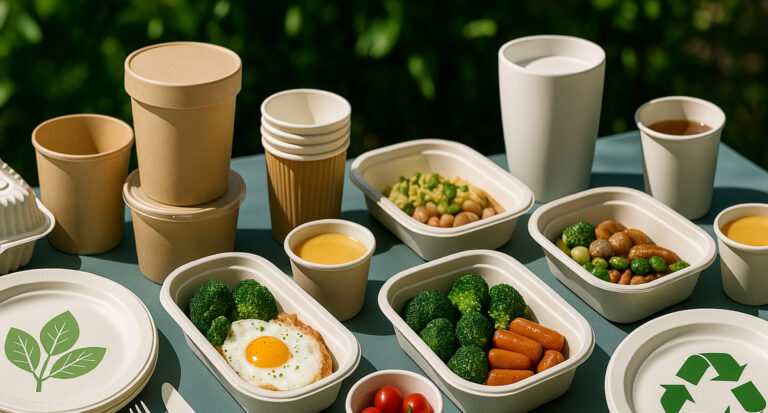
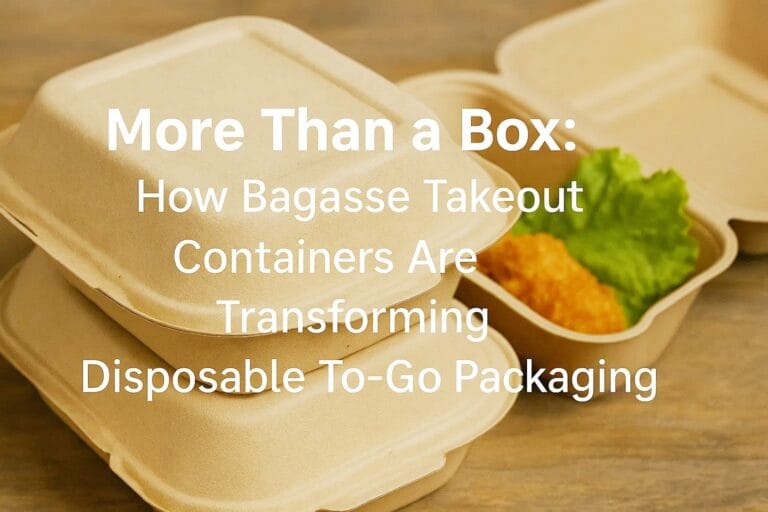
Molded pulp trays are perfect for takeaway, restaurant packaging, and food delivery , Sustainable Food Service Supplies. Their eco-friendly properties enhance brand reputation, while their practical features ensure reliable food containment. Whether for individual meals or bulk catering, bagasse pulp trays are designed to perform without compromising on sustainability. Meeting Consumer Demand for Green Packaging As a Chinese factory and manufacturer, we offer high-quality molded pulp trays at competitive wholesale prices.

2. Are compostable food trays microwave-safe?

Yes, most compostable food trays made from bagasse or sugarcane pulp are microwave-safe , Sustainable Food Service Supplies. They can safely withstand typical microwave heating conditions without releasing harmful substances or losing structural integrity.

Eco-Friendly, Compostable, and Biodegradable

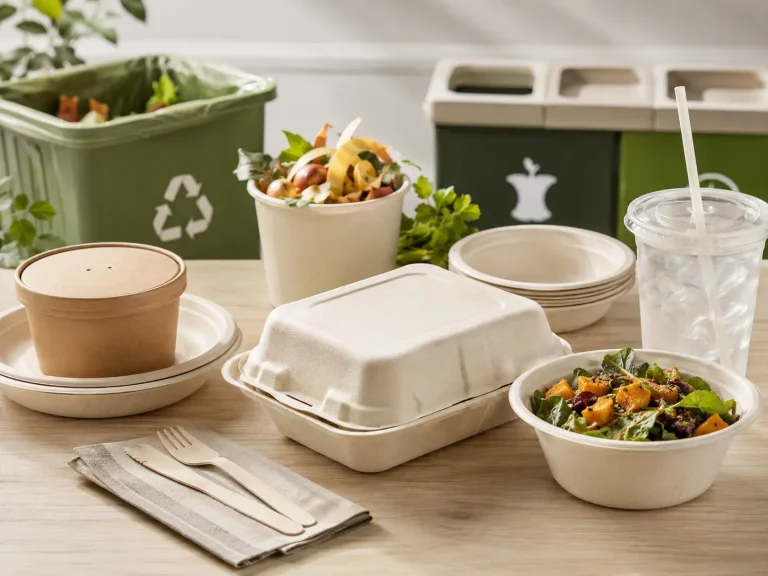
Our molded pulp trays are fully compostable and biodegradable — Sustainable Food Service Supplies. They naturally break down within a few months, supporting a circular economy and reducing landfill burden. This makes our sugarcane pulp trays an excellent choice for eco-conscious consumers and businesses looking to adopt sustainable practices.

Carbon Footprint and Greenhouse Gas Emissions

The production and disposal of bagasse plates are consistently shown to emit much less greenhouse gas compared to plastic plates. As bagasse plates are made from renewable resources, their carbon footprint is decreased. Studies have proven that shifting from traditional sources of manufacture to bio-based sources like bagasse aids in reducing climate change through less CO₂ emission from manufacturing processes.   Economic Considerations

Cost Efficiency Over Time

Although the price of bagasse plates may be higher than the cost of plastic plates, the long-term savings offset this investment. Bagasse plates do not come with many of the hidden costs that accompany plastic waste, such as environmental penalties and costly waste removal services. An increase in the production of sustainable goods should lower costs of production due to higher consumer demand; therefore, making bagasse plates even more business-friendly.

Related Insights

🚀Ready to Go Green and Choose ?

Join the global movement toward zero-waste packaging.


Bioleader® offers:

  • 📦 Bulk order support & fast delivery

  • ✍️ Custom branding and OEM solutions

  • 🌍 Worldwide eco-packaging compliance

Get the Catalogue Products List  & Contact Us Now! 👉

Contact us Below

Click or drag files to this area to upload.You can upload up to 5 files.
The more details you share, the faster and more accurate our quotation will be.