Top Use Cases For Sugarcane Bagasse Trays | Bioleader® Insights

Actionable coverage of Sugarcane bagasse trays: eco-friendly, biodegradable, compostable materials, performance data, and compliance under EN13432 & ASTM D6400. Includes BPI/TÜV references and Food-Contact Tested guidance for safe deployment. Buyer-focused: manufacturer insights, bulk/wholesale buying playbooks, OEM/ODM customization tips, full size range selection.
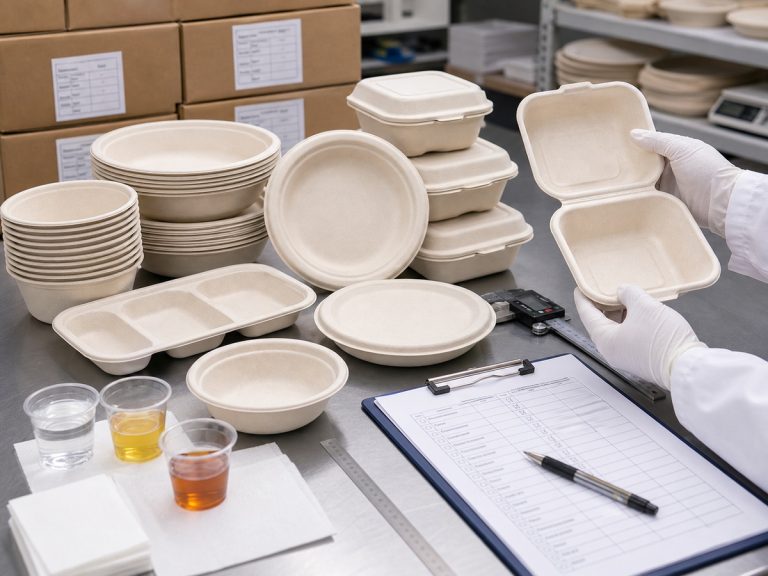
Quick Summary: This comprehensive report tests sugarcane bagasse trays with lids across durability, leak-proof design, food safety, compostability, and industry applications. Real case studies demonstrate how restaurants, schools, and catering services reduce waste while meeting global regulations. Compared with plastic and foam, bagasse trays show superior eco-performance, making them a smart investment for sustainable food packaging in 2025.
Sugarcane bagasse trays — Quick Summary
  • Items displayed (articles): 12
  • Last updated: 2025-09-08
  • Includes test data, compliance guides, buyer FAQs, and real-world use cases.

Editor’s Picks: Top Sugarcane Bagasse Trays Guides 2026

FAQ of Bioleader's Eco-friendly Disposable Tableware

Are they safe to use in a microwave?

Yes, these containers come ultimate, no need to clean other serving dishes, as consumers can warm their food within these containers.

Is it possible to recycle them?

While your package design should be primarily for use single, to promote health oder, the package is strong enough for one or two times reuse with caution , Sugarcane bagasse trays.

Are these bowls totally biodegradable?

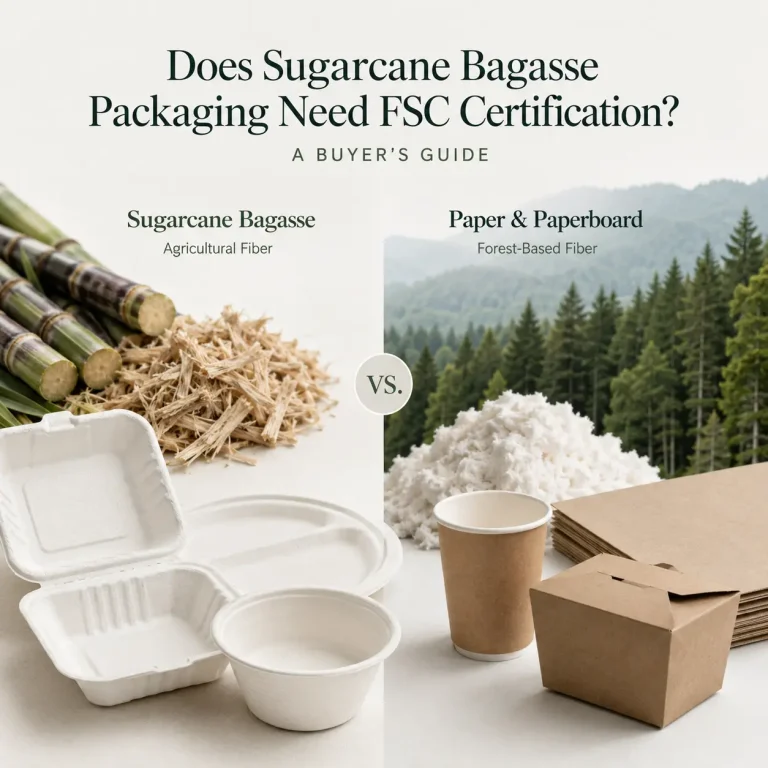
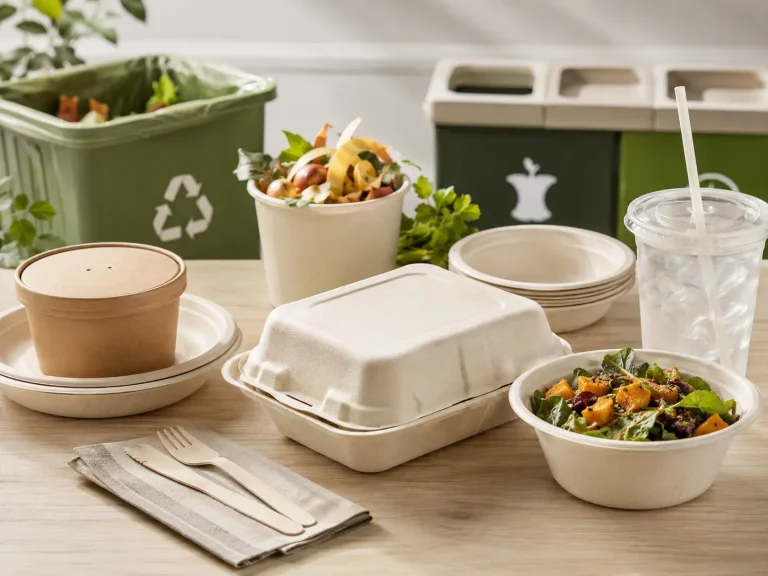
Yes, unlike plastic, our compostable bowls are made of soluble material (biodegradable in this case includes kraft paper & white cardboard), which are not harmful and will degrade safely after they have been thrown away.

Renewable Material Advantage

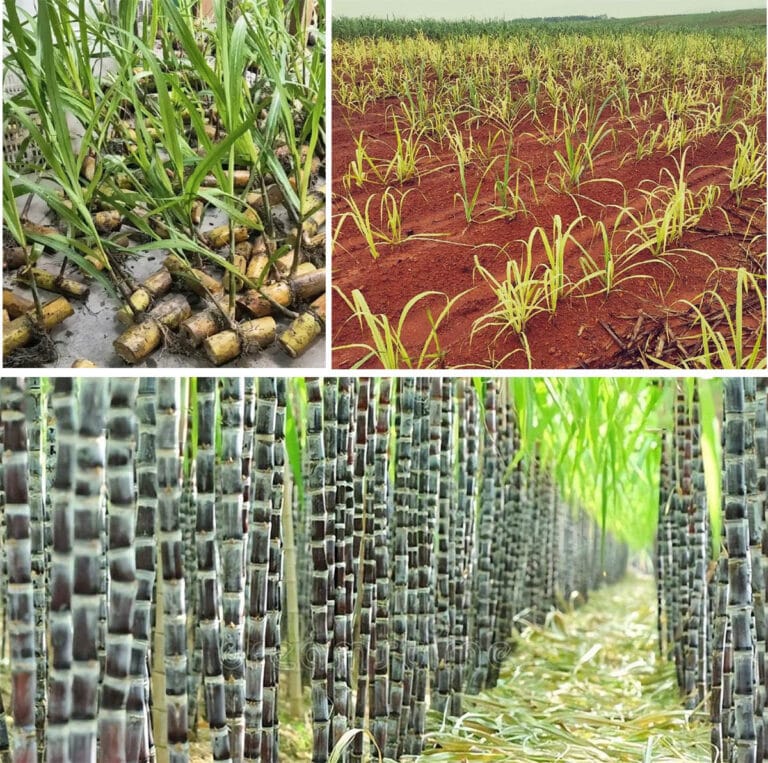
Bagasse trays are produced using a byproduct of sugarcane processing, meaning they rely on agricultural waste instead of virgin resources — Sugarcane bagasse trays. Unlike polystyrene or polypropylene trays that demand fossil fuels, bagasse trays transform biomass into value-added foodservice products , Sugarcane bagasse trays. Disposable Biodegradable Compostable Serving Trays Platters

How long do bagasse food trays take to decompose?

In industrial composting, bagasse trays typically decompose within 90–120 days, while home composting may take up to six months depending on conditions.

Related Insights

🚀Ready to Go Green and Choose ?

Join the global movement toward zero-waste packaging.


Bioleader® offers:

  • 📦 Bulk order support & fast delivery

  • ✍️ Custom branding and OEM solutions

  • 🌍 Worldwide eco-packaging compliance

Get the Catalogue Products List  & Contact Us Now! 👉

Contact us Below

Click or drag files to this area to upload.You can upload up to 5 files.
The more details you share, the faster and more accurate our quotation will be.