Saudi Arabia Biodegradable Tableware Import: Properties & Use Scenarios

Actionable coverage of Saudi Arabia biodegradable tableware import: eco-friendly, biodegradable, compostable materials, performance data, and compliance under EN13432 & ASTM D6400. Includes BPI/TÜV references and Food-Contact Tested guidance for safe deployment. Buyer-focused: manufacturer insights, bulk/wholesale buying playbooks, OEM/ODM customization tips, full size range selection.
Quick Summary: Importing disposable biodegradable tableware from China into Saudi Arabia requires careful coordination between product selection, material-specific testing, SABER PC and SC certification, shipping planning, and customs clearance. Saudi regulations prioritize food-contact safety, traceable materials, and pre-shipment conformity. Importers who plan certification and audits early can significantly reduce delays, compliance risks, and unexpected costs.
Saudi Arabia biodegradable tableware import — Quick Summary
  • Items displayed (articles): 12
  • Last updated: 2025-12-21
  • Includes test data, compliance guides, buyer FAQs, and real-world use cases.

Editor’s Picks: Top Saudi Arabia Biodegradable Tableware Import Guides 2026

FAQ of Bioleader's Eco-friendly Disposable Tableware

2. Are bagasse trays safe for hot and cold foods?

Yes. Bagasse trays are heat-resistant up to 120°C and freezer-safe, making them suitable for both hot meals and cold items. They are commonly used for takeout, school lunches, airline catering, and meal prep.

2. Are trays with lids suitable for both hot and cold meals?

Yes — Saudi Arabia biodegradable tableware import. High-quality eco trays are heat-resistant up to 120°C and freezer-safe. They’re ideal for packing hot dishes like rice and curries or cold items like salads, desserts, and refrigerated meals.

Institutional Foodservice

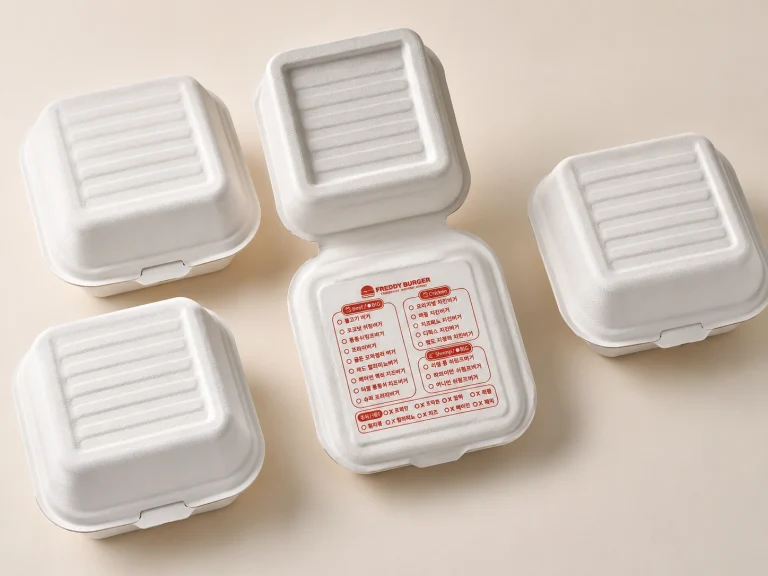
Schools, offices, hospitals, and canteens can use this bagasse tray for everyday meal distribution , Saudi Arabia biodegradable tableware import. It combines convenience, disposable efficiency, and better environmental positioning.

Example 2: PLA Cups for Cold Beverage Use

PLA cups designed exclusively for cold beverages are generally considered lower risk than hot-food tableware. Typical compliance characteristics include: Separate EU 10/2011 or SASO-compliant testing for PLA material Overall migration testing using cold food simulants Clear labeling stating “cold use only”, with no hot-fill or heat-resistance claims When product use is clearly defined, PLA cups often experience faster SABER PC approval cycles and fewer follow-up questions from auditors.

Example 1: CPLA Cutlery for Hot Food Applications

CPLA cutlery (forks, spoons, knives) is commonly used for hot food takeaway and catering, placing it under higher regulatory scrutiny. From a compliance perspective: CPLA cutlery must be tested separately from PLA cups or cold-use items Testing typically focuses on: Overall migration under high-temperature food simulants Aromatic amine specific migration Heavy metal migration During SABER PC application, Saudi auditors often request clear confirmation of heat-resistance claims and supporting technical documentation In practice, CPLA cutlery is frequently reviewed during factory audits, especially when biodegradability or heat-resistance claims appear on labels or product descriptions — Saudi Arabia biodegradable tableware import.

Related Insights

🚀Ready to Go Green and Choose ?

Join the global movement toward zero-waste packaging.


Bioleader® offers:

  • 📦 Bulk order support & fast delivery

  • ✍️ Custom branding and OEM solutions

  • 🌍 Worldwide eco-packaging compliance

Get the Catalogue Products List  & Contact Us Now! 👉

Contact us Below

Click or drag files to this area to upload.You can upload up to 5 files.
The more details you share, the faster and more accurate our quotation will be.