Renewable Packaging Market Snapshot | Bioleader®

Browse articles grouped under the "Renewable Packaging" tag for topic-specific information and examples. The featured articles may approach the topic from different product, material, application, market, or sourcing perspectives. Check each article for its exact scope, technical data, standards, sources, and recommendations.
Renewable Packaging — Content Overview
  • Featured articles shown: 12
  • Directly tagged articles: 1
  • Latest tagged article update: 2026-10-24
  • Coverage, examples, and specific recommendations vary by individual article.

Editor's Picks: Top Renewable Packaging Guides 2026

FAQ of Bioleader's Eco-friendly Disposable Tableware

Are kraft and white square paper salad bowls recyclable or compostable?

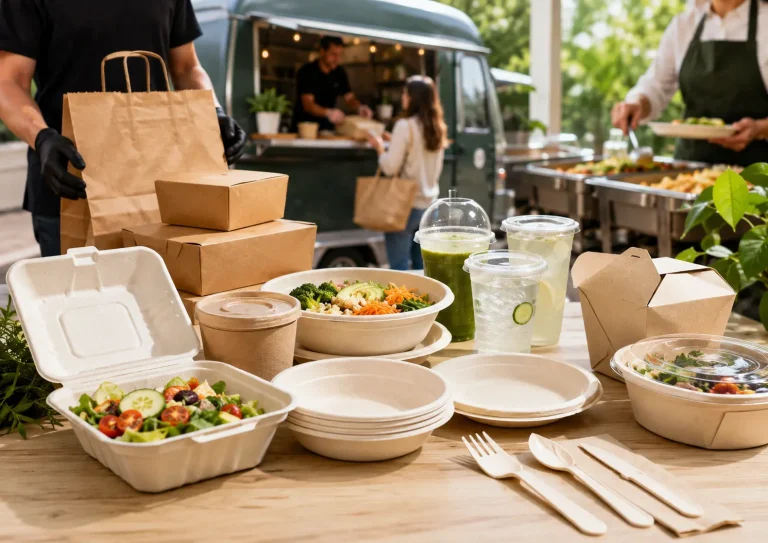
The base material is paperboard, but the final disposal claim depends on the lining and local waste system. PE-coated bowls are practical for standard foodservice use and may depend on local recycling capability. PLA-coated or aqueous-coated options are better choices when buyers need compostable or plastic-reduction packaging claims.

Can 750-1000ml square paper salad bowls be custom printed?

Yes. Bioleader® supports OEM logo printing and private-label designs for 750-1000ml square paper salad bowls. Buyers can provide AI, PDF, CDR, or clear logo files. White paper is usually better for sharp full-color printing, while kraft paper is suitable for natural, minimal, and eco-style branding.

Which lid should I choose for 1500ml paper salad bowls?

Paper lids are recommended when the buyer wants a consistent kraft or white paper packaging appearance. PP flat lids are practical for stacking, takeaway, and delivery handling. PET dome lids are suitable when product visibility is important for chilled salads, supermarket display, and grab-and-go food programs.

What is Cornstarch Packaging?

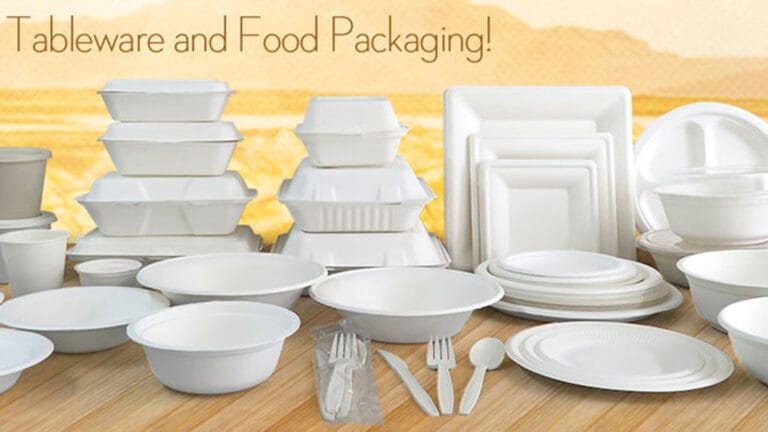
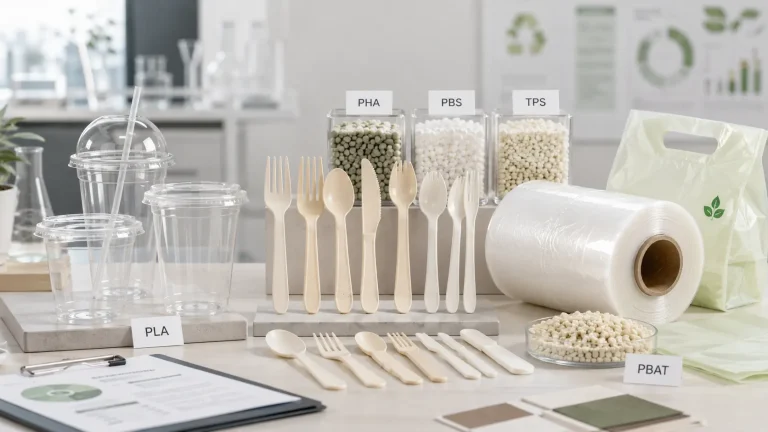
Cornstarch-based packaging is produced from corn starch, a renewable resource abundantly available worldwide , Renewable Packaging. The starch is processed into polymers that are then molded into various packaging items. Studies show that cornstarch-based materials are a cost-effective and eco-friendly alternative to traditional plastics — Renewable Packaging.

Advantages and Disadvantages

Advantages: Renewable Resource: Utilizes byproducts of sugarcane processing, reducing waste and the need for additional raw materials. Biodegradability: Decomposes naturally within 90 to 180 days under proper composting conditions — Renewable Packaging. Durability: Offers good heat resistance and strength, making it ideal for food containers. Disadvantages: Moisture Sensitivity: May require additional coatings to enhance water and oil resistance.

Related Insights

🚀Ready to Go Green and Choose ?

Join the global movement toward zero-waste packaging.


Bioleader® offers:

  • 📦 Bulk order support & fast delivery

  • ✍️ Custom branding and OEM solutions

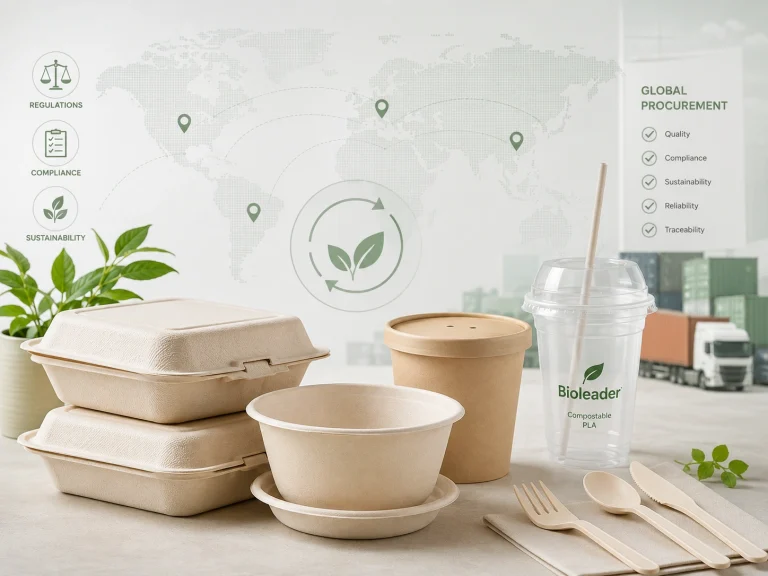
  • 🌍 Worldwide eco-packaging compliance

Get the Catalogue Products List  & Contact Us Now! 👉

Contact Us for Quote

Click or drag files to this area to upload.You can upload up to 5 files.
The more details you share, the faster and more accurate our quotation will be.