Plant Fiber Bowls Factory 101: What It Is, When To Use, And How To Choose | Bioleader® Insights

Actionable coverage of plant fiber bowls factory: eco-friendly, biodegradable, compostable materials, performance data, and compliance under EN13432 & ASTM D6400. Includes BPI/TÜV references and Food-Contact Tested guidance for safe deployment. Buyer-focused: manufacturer insights, bulk/wholesale buying playbooks, OEM/ODM customization tips, full size range selection.
plant fiber bowls factory — Quick Summary
  • Items displayed (articles): 12
  • Last updated: 2025-02-28
  • Includes test data, compliance guides, buyer FAQs, and real-world use cases.

Editor’s Picks: Top Plant Fiber Bowls Factory Guides 2026

FAQ of Bioleader's Eco-friendly Disposable Tableware

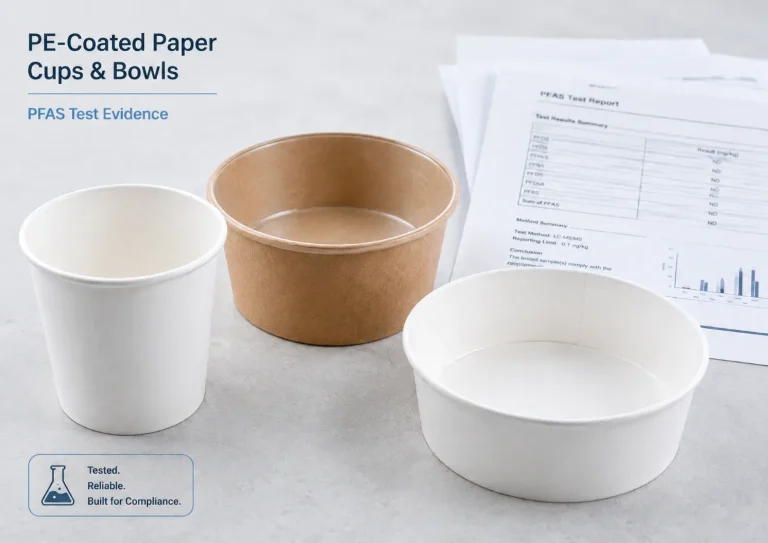
PFAS-Free and BPA-Free

We prioritize safety by ensuring our molded pulp trays are PFAS-free and BPA-free. Unlike many traditional food packaging materials that contain harmful chemicals, our trays offer peace of mind and meet rigorous health and safety standards. This makes them a safer option for direct food contact.

1. What are bagasse food trays made from?

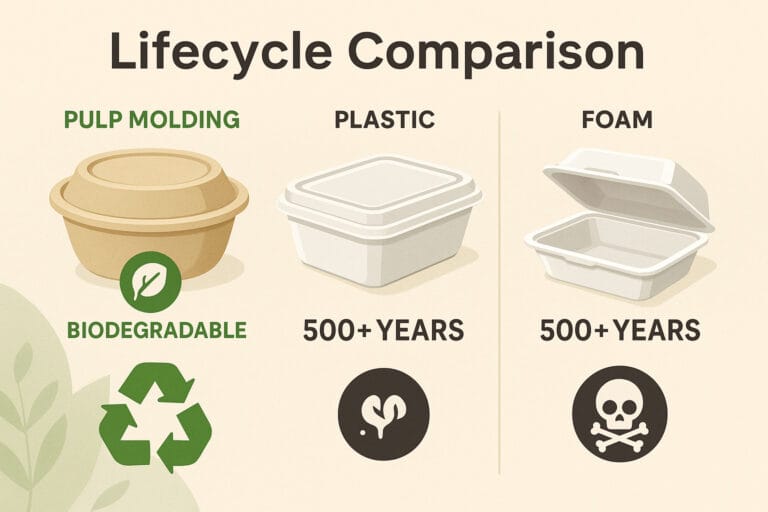
Bagasse food trays are made from the fibrous residue left after extracting juice from sugarcane. This renewable material is molded into sturdy, compostable trays, providing an eco-friendly alternative to plastic or foam trays.

1. What are takeaway trays with lids used for?

Takeaway trays with lids are used for packaging full meals, combo dishes, or compartmentalized foods for delivery and takeaway. They help keep food fresh, prevent spillage, and maintain separation between hot and cold items.

1.5 Paper Laminated with Aluminum Foil

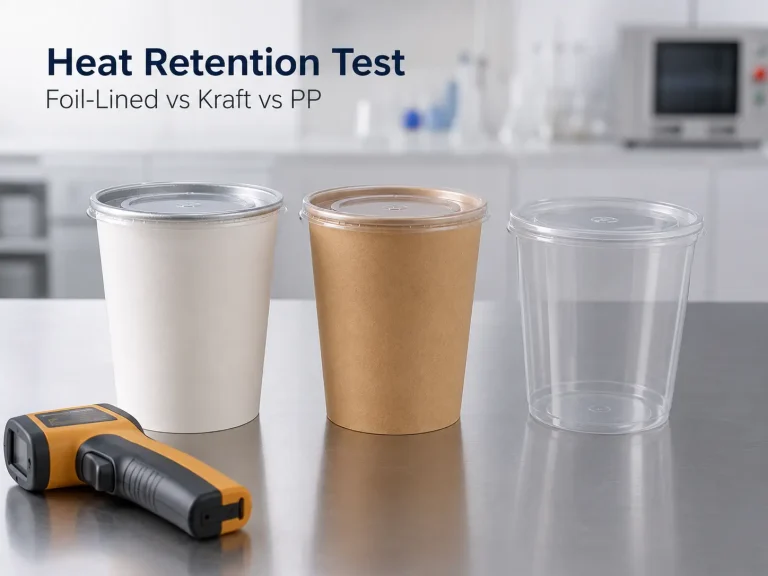
Paper laminated with aluminum foil provides superior insulation and moisture resistance — plant fiber bowls factory. These bowls are ideal for holding greasy foods or keeping food warm. However, the aluminum foil makes them difficult to recycle. Pros: Excellent heat retention and moisture resistance Great for hot and greasy foods Insulates well to maintain food temperature Cons: Aluminum foil makes recycling challenging Not compostable due to the mixed material structure Higher cost due to additional processing   2.

1.1 Standard Paper

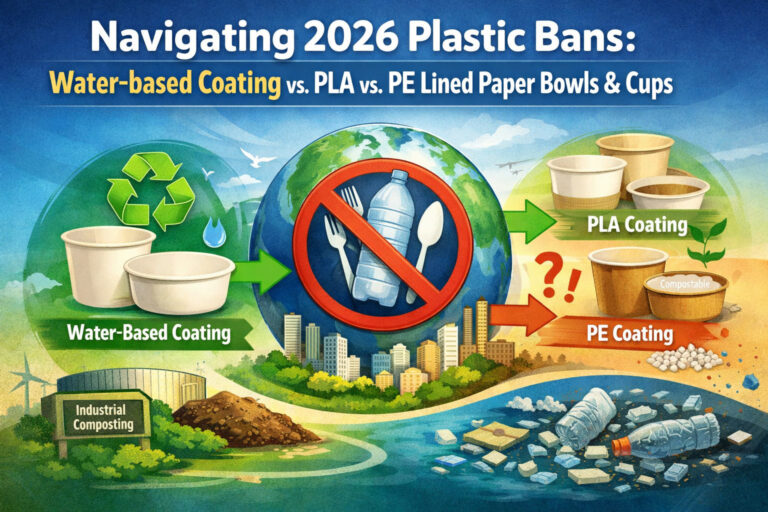
Standard paper bowls are typically coated to make them moisture-resistant, allowing them to hold hot or wet foods like soup or chili. However, the lining used for moisture resistance often contains plastic, which can make these bowls non-compostable , plant fiber bowls factory. While the paper itself is biodegradable, the plastic lining complicates recycling and composting. Pros: Inexpensive and widely available Lightweight Customizable with printing for branding purposes Cons: Plastic coating makes them non-compostable Limited durability under heat or moisture if the lining is thin , plant fiber bowls factory.

Related Insights

🚀Ready to Go Green and Choose ?

Join the global movement toward zero-waste packaging.


Bioleader® offers:

  • 📦 Bulk order support & fast delivery

  • ✍️ Custom branding and OEM solutions

  • 🌍 Worldwide eco-packaging compliance

Get the Catalogue Products List  & Contact Us Now! 👉

Contact us Below

Click or drag files to this area to upload.You can upload up to 5 files.
The more details you share, the faster and more accurate our quotation will be.