PLA Vs. CPLA Cutlery 101: What It Is, When To Use, And How To Choose | Bioleader® Insights

Actionable coverage of PLA vs. CPLA cutlery: eco-friendly, biodegradable, compostable materials, performance data, and compliance under EN13432 & ASTM D6400. Includes BPI/TÜV references and Food-Contact Tested guidance for safe deployment. Buyer-focused: manufacturer insights, bulk/wholesale buying playbooks, OEM/ODM customization tips, full size range selection.

Quick Summary: What Are Compostable Forks Made Of?

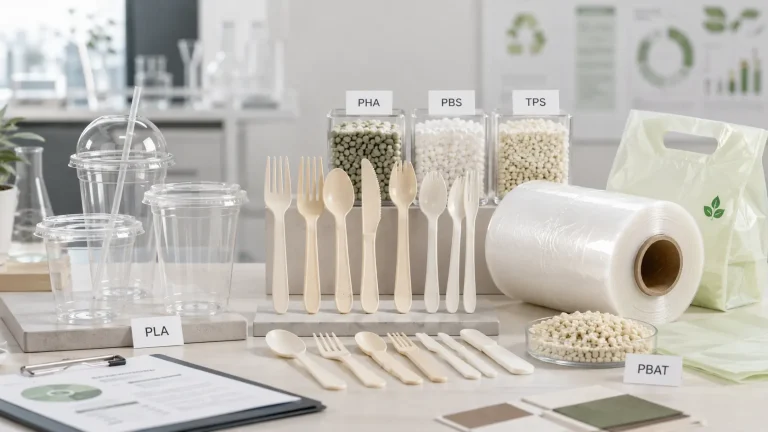
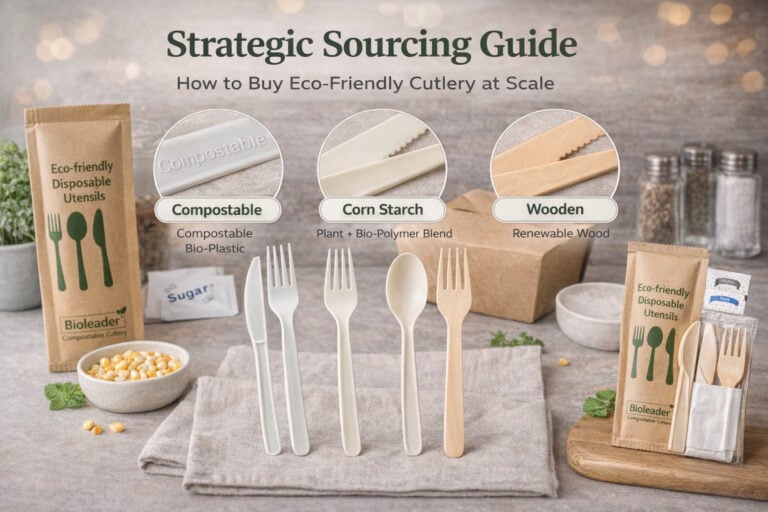
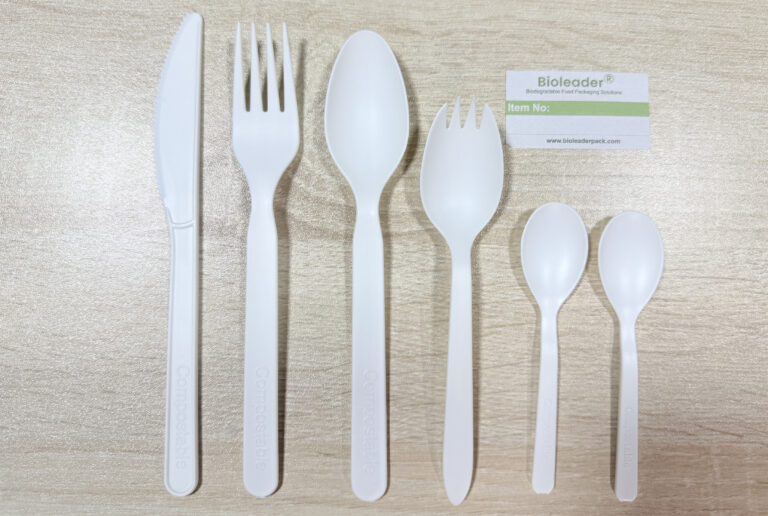
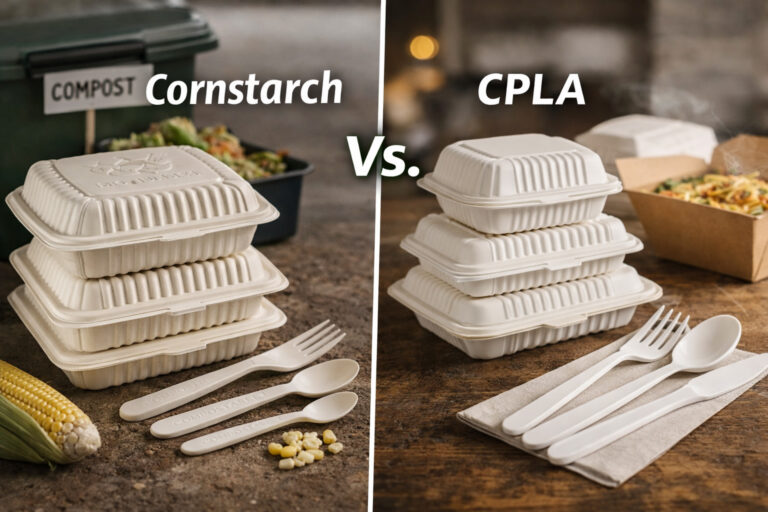
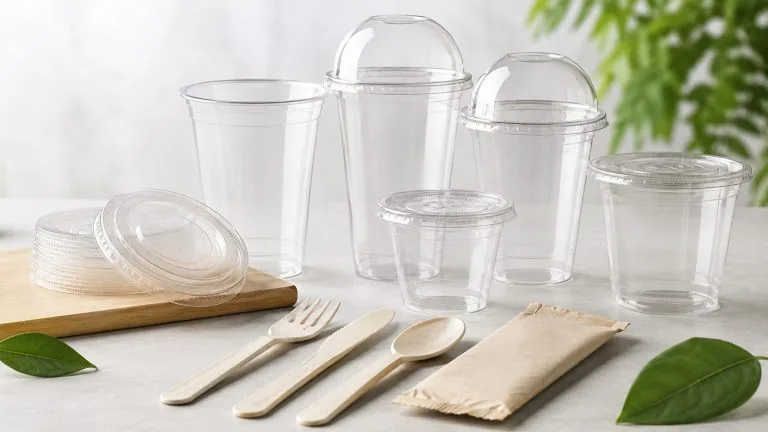
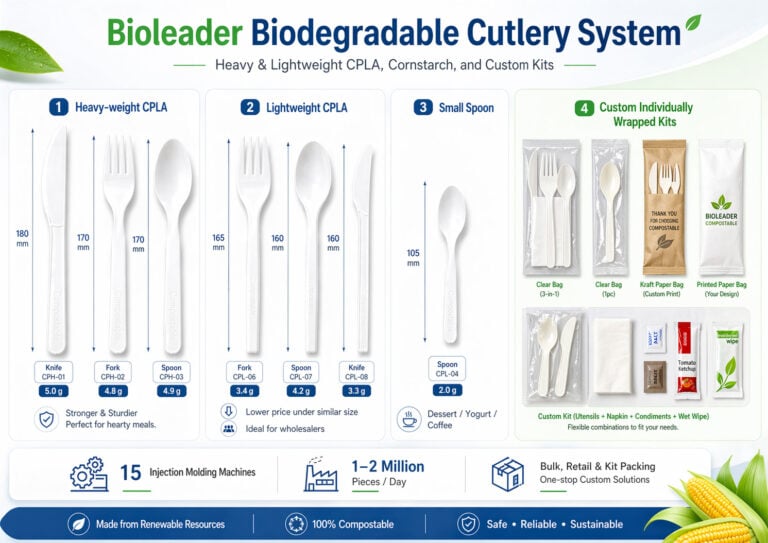
Compostable forks are commonly made from CPLA, cornstarch-based materials, wood, bamboo, or sugarcane bagasse fiber. Each material has different heat resistance, strength, cost, user experience, and composting requirements.

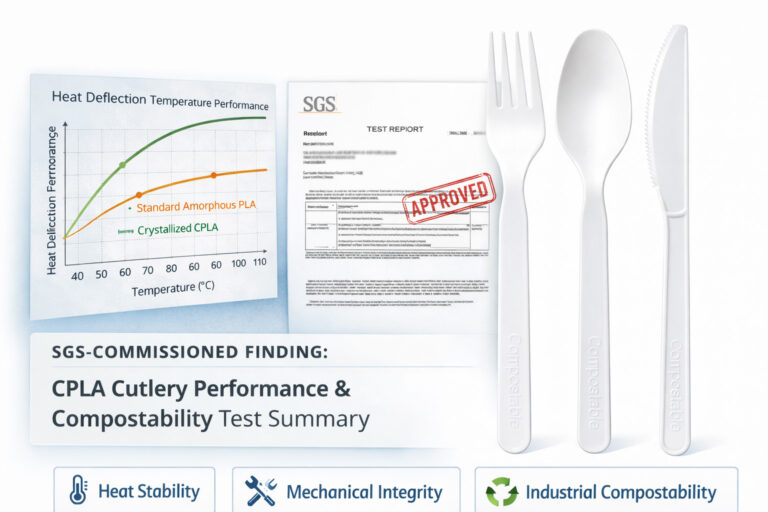
Best material match: CPLA forks are suitable for hot meals and stronger foodservice performance; cornstarch forks are cost-effective for takeaway and general dining; wood and bamboo forks offer a natural look; bagasse fiber forks use upcycled sugarcane pulp but are usually less rigid than CPLA.

Buyer note: “compostable” does not automatically mean home compostable. Always check certification, food-contact safety, heat tolerance, local composting acceptance, and supplier documentation before making disposal or sustainability claims.

PLA vs. CPLA cutlery — Quick Summary
  • Items displayed (articles): 12
  • Last updated: 2025-02-12
  • Includes test data, compliance guides, buyer FAQs, and real-world use cases.

Editor’s Picks: Top Pla Vs. Cpla Cutlery Guides 2026

FAQ of Bioleader's Eco-friendly Disposable Tableware

Eco-Friendly, Compostable, and Biodegradable

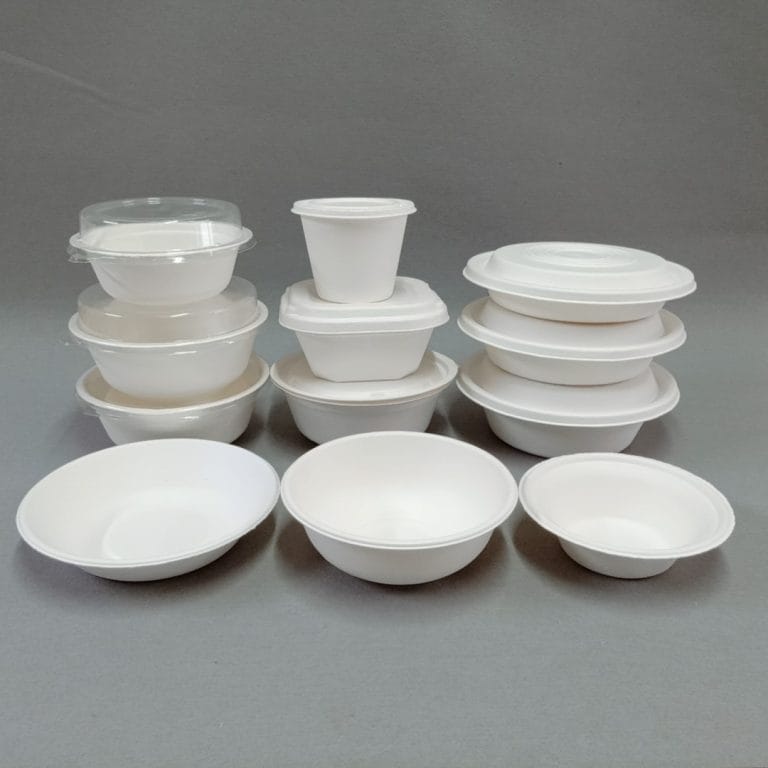
Our molded pulp trays are fully compostable and biodegradable. They naturally break down within a few months, supporting a circular economy and reducing landfill burden. This makes our sugarcane pulp trays an excellent choice for eco-conscious consumers and businesses looking to adopt sustainable practices.

Durable and Reliable Performance

Unlike many disposable options, our sugarcane food trays are built to last throughout their intended use. Whether exposed to heat, moisture, or refrigeration, they maintain their structure and performance. This durability makes them a reliable choice for any business requiring high-quality, dependable food packaging , PLA vs. CPLA cutlery. Multiple Uses and Applications The bagasse will save you money and the environment.

1. What are disposable bagasse food trays made of?

They are made from sugarcane bagasse—the fibrous byproduct left after extracting juice from sugarcane. This renewable material is molded into durable trays that are compostable, biodegradable, and plastic-free.

Are compostable forks safe for the environment?

Yes, they are designed to reduce plastic pollution and minimize carbon footprint , PLA vs. CPLA cutlery. When disposed of properly, they leave no toxic residues or microplastics.

How long do compostable forks take to decompose?

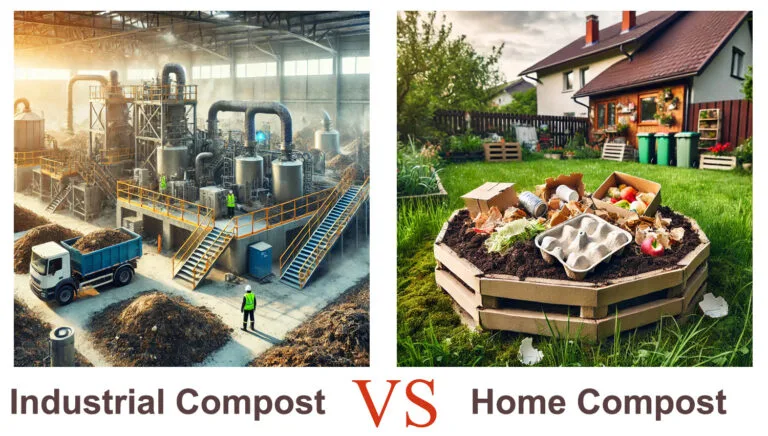
In industrial composting facilities, compostable forks typically decompose within 90 to 180 days. Home composting may take longer, depending on material and conditions — PLA vs. CPLA cutlery.

Related Insights

🚀Ready to Go Green and Choose ?

Join the global movement toward zero-waste packaging.


Bioleader® offers:

  • 📦 Bulk order support & fast delivery

  • ✍️ Custom branding and OEM solutions

  • 🌍 Worldwide eco-packaging compliance

Get the Catalogue Products List  & Contact Us Now! 👉

Contact us Below

Click or drag files to this area to upload.You can upload up to 5 files.
The more details you share, the faster and more accurate our quotation will be.