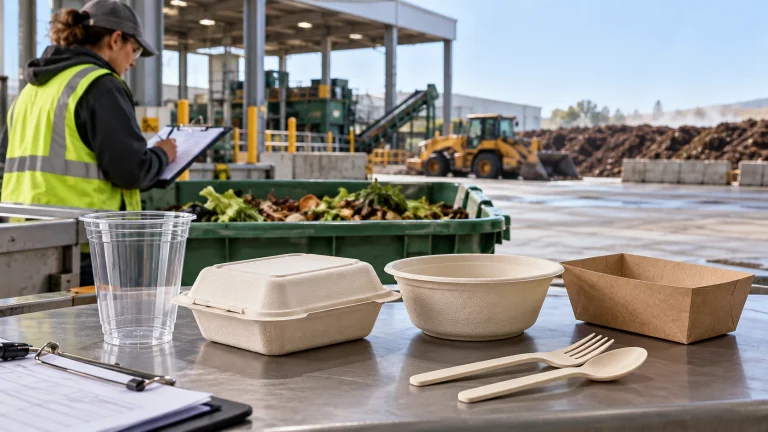
PLA Lined Paper Salad Bowl Vs Alternatives: Cost, Performance, Sustainability | Bioleader® Guides

Actionable coverage of PLA lined paper salad bowl: eco-friendly, biodegradable, compostable materials, performance data, and compliance under EN13432 & ASTM D6400. Includes BPI/TÜV references and Food-Contact Tested guidance for safe deployment. Buyer-focused: manufacturer insights, bulk/wholesale buying playbooks, OEM/ODM customization tips, full size range selection.
PLA lined paper salad bowl — Quick Summary
  • Items displayed (articles): 12
  • Last updated: 2025-09-29
  • Includes test data, compliance guides, buyer FAQs, and real-world use cases.

Editor’s Picks: Top Pla Lined Paper Salad Bowl Guides 2026

FAQ of Bioleader's Eco-friendly Disposable Tableware

Waterproof and Oil-proof

The leakage possibility from our bagasse food trays is eliminated by the unique composition of the trays, which makes them leak proof. Whether it’s for hot or cold food, our trays can be conveniently used to transport food without any risk of a mess. They are also suitable for offline or online orders as they will ensure that customers get a fresh meal without any mess — PLA lined paper salad bowl. Like everything we have here, customers are guaranteed to have a clean and non-messy experience when using our bagasse food trays.

1. What are disposable bagasse food trays made of?

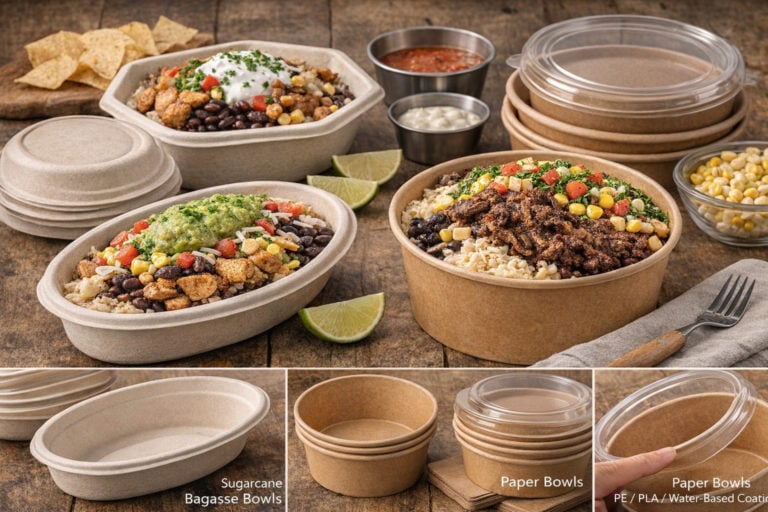
They are made from sugarcane bagasse—the fibrous byproduct left after extracting juice from sugarcane. This renewable material is molded into durable trays that are compostable, biodegradable, and plastic-free , PLA lined paper salad bowl.

Food Delivery

The matching lid helps protect food during short-distance transport. It is a dependable option for restaurants and cloud kitchens that need cleaner presentation and better takeaway functionality.

Is bagasse better than kraft for the environment?

Yes. Bagasse bowls are made from agricultural waste and decompose faster, giving them a lower carbon footprint , PLA lined paper salad bowl. Kraft bowls are also eco friendly but depend on linings for compostability.

Definition & Source

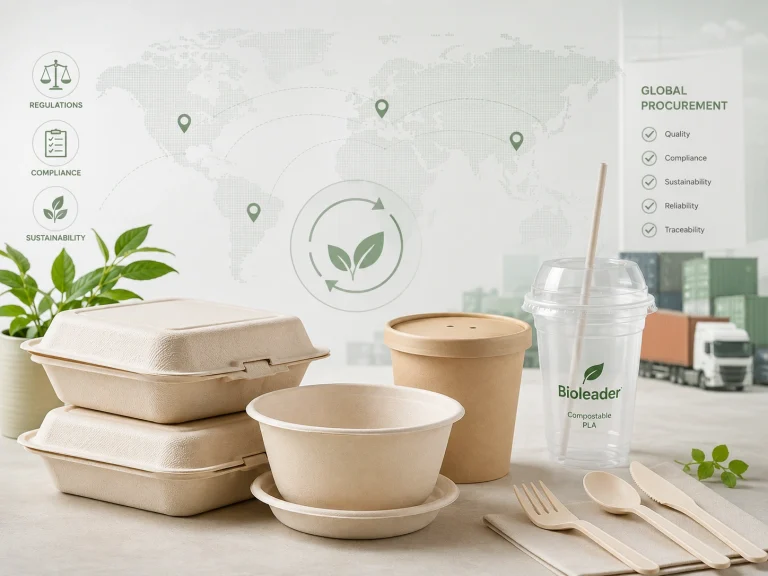
Bagasse is the fibrous residue left after sugarcane juice extraction. In sugar-producing countries such as Brazil, India, and China, millions of tons of bagasse accumulate annually. Traditionally used as fuel in sugar mills, this byproduct has now become a sustainable raw material for biodegradable packaging. By transforming waste into bowls, trays, and clamshells, manufacturers reduce agricultural byproducts while creating packaging that replaces plastics.

Related Insights

🚀Ready to Go Green and Choose ?

Join the global movement toward zero-waste packaging.


Bioleader® offers:

  • 📦 Bulk order support & fast delivery

  • ✍️ Custom branding and OEM solutions

  • 🌍 Worldwide eco-packaging compliance

Get the Catalogue Products List  & Contact Us Now! 👉

Contact us Below

Click or drag files to this area to upload.You can upload up to 5 files.
The more details you share, the faster and more accurate our quotation will be.