Guide To PFAS-free Cutlery: Materials, Standards & Best Practices | Bioleader® Guides
Actionable coverage of PFAS-free cutlery: eco-friendly, biodegradable, compostable materials, performance data, and compliance under EN13432 & ASTM D6400. Includes BPI/TÜV references and Food-Contact Tested guidance for safe deployment. Buyer-focused: manufacturer insights, bulk/wholesale buying playbooks, OEM/ODM customization tips, full size range selection.
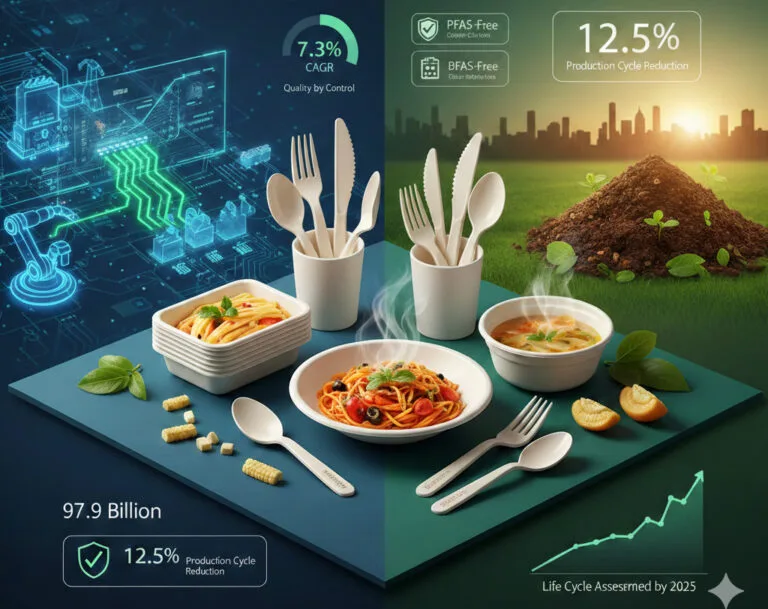
Quick Summary: Bioleader is at the forefront of the biodegradable cutlery market, using high-performance materials such as Modified PLA, sugarcane bagasse, and emerging polymers like PHA/PBAT. This white paper explores their role in the industry, highlighting innovations in material science, AI-driven smart manufacturing, and compliance with global standards. As the market is projected to reach $97.92 billion by 2035, Bioleader’s technological breakthroughs and sustainable practices are crucial for meeting global demand and regulatory challenges.
FAQ of Bioleader's Eco-friendly Disposable Tableware
What sizes are available for these biodegradable bowls?
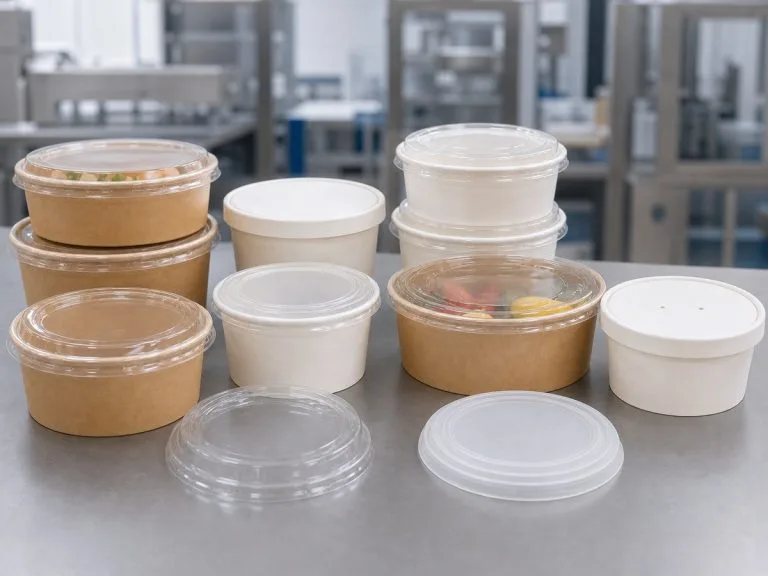
Our bowls come in multiple sizes, ranging from 500ml to 1500ml (approximately 8oz to 48oz), offering flexibility for different portion needs.
Can these bowls safely contain hot food without leaking?
Definitely. These biodegradable disposable bowls are designed to hold both hot and cold food without any leakage or deformation, ensuring a mess-free experience — PFAS-free cutlery.
Can these containers hold liquids?
Yes, our paper food containers are leakproof and hold solid and liquid foods including thick soups sauces, and creamy dishes too — PFAS-free cutlery.
If my city doesn’t have industrial composting, which single-use cutlery should I choose?
Where organics collection isn’t available, FSC-certified bamboo or wood cutlery is a pragmatic plastic-free option; pair it with simple bin messaging and opt-in policies for delivery to prevent unnecessary distribution and waste.
What is the difference between PLA and CPLA compostable spoons?
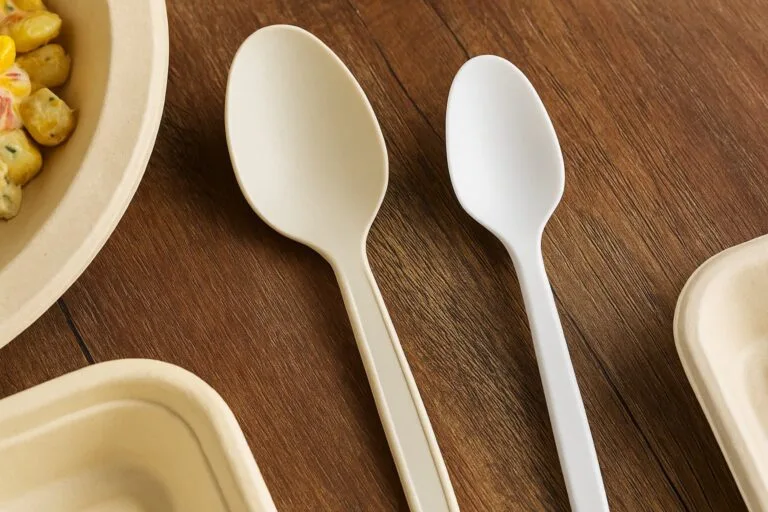
PLA spoons soften at around 55°C and are best for cold foods. CPLA spoons are crystallized, resisting up to 90°C, making them ideal for hot soups and beverages , PFAS-free cutlery.