Highlights from featured articles under this tag:


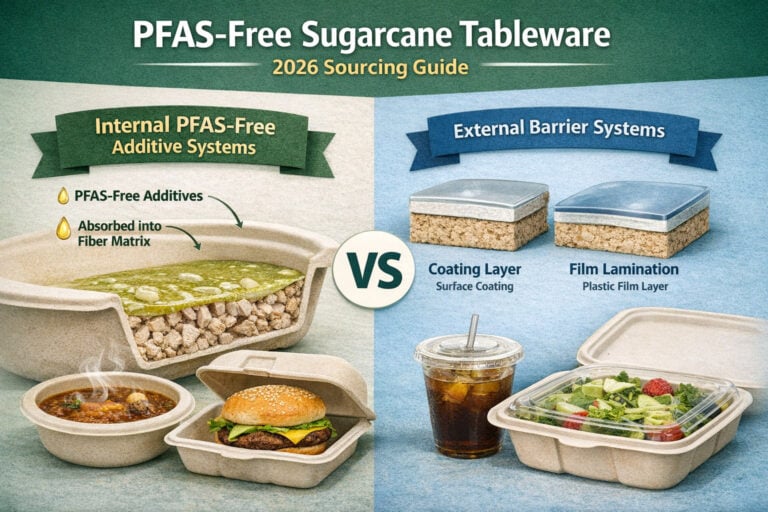
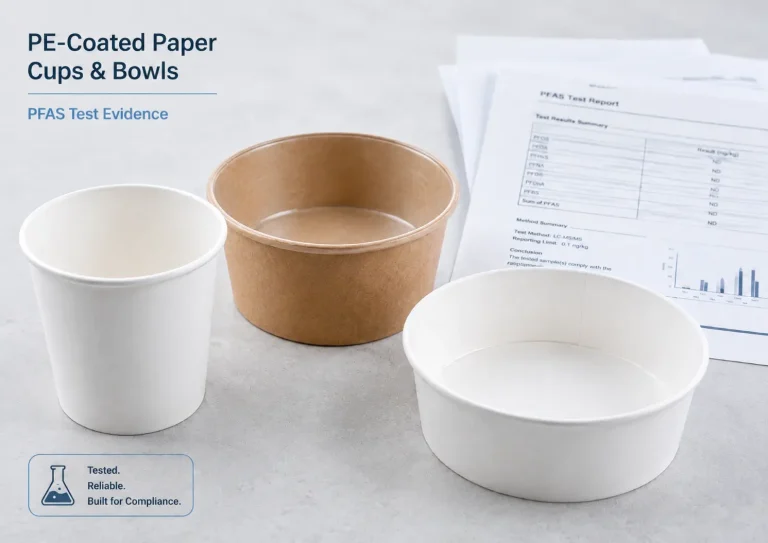
Brands should ask whether PFAS are intentionally added, whether finished-product testing is available, what test limits apply, whether the product meets destination-market regulations, and whether performance is suitable for the actual food application.
You will need valid ASTM D6400/BPI certificates, product traceability, and documentation demonstrating PFAS-free status.
No. BPA and PFAS are different chemical concerns. BPA is mainly associated with certain plastics and resins, while PFAS are fluorinated chemicals often associated with grease, water, and heat resistance.
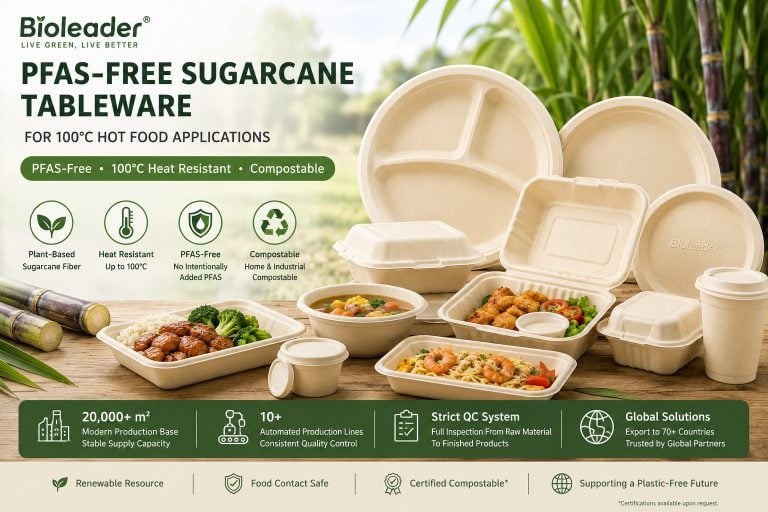
No. BPI’s fluorinated chemicals policy provides a strong compliance logic for relevant compostable products, including formula review, laboratory testing, and a no intentionally added fluorinated chemicals declaration. However, buyers should not treat any one certification as a universal substitute for full market review. A certification result must still be read together with SKU identity, destination market, product structure, and the supplier’s current documentation status.
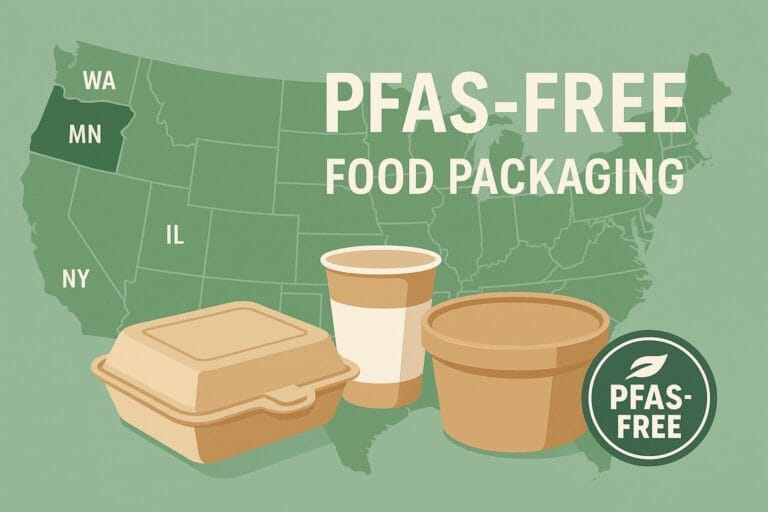
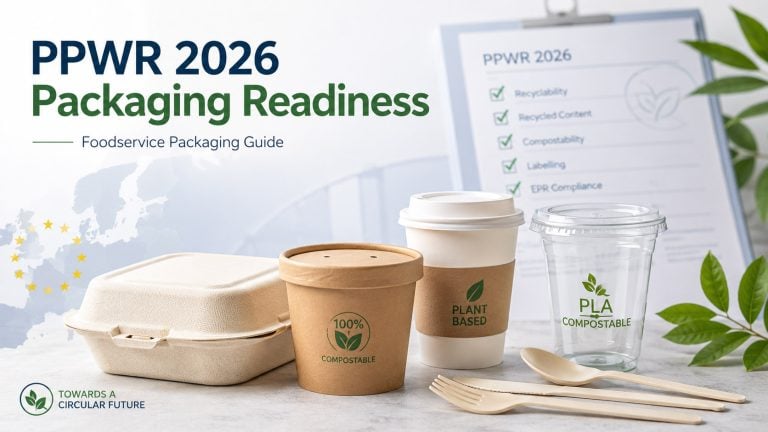
Source from suppliers with tested, certified PFAS-free processes. The EU and North America are tightening regulations on “forever chemicals” in food packaging.
Join the global movement toward zero-waste packaging.
Bioleader® offers:
📦 Bulk order support & fast delivery
✍️ Custom branding and OEM solutions
🌍 Worldwide eco-packaging compliance
Get the Catalogue Products List & Contact Us Now! 👉