Trends In Paper Soup Bowls: Market Insights, Innovations & FAQs | Bioleader® Insights

Actionable coverage of paper soup bowls: eco-friendly, biodegradable, compostable materials, performance data, and compliance under EN13432 & ASTM D6400. Includes BPI/TÜV references and Food-Contact Tested guidance for safe deployment. Buyer-focused: manufacturer insights, bulk/wholesale buying playbooks, OEM/ODM customization tips, full size range selection.
Quick Summary:
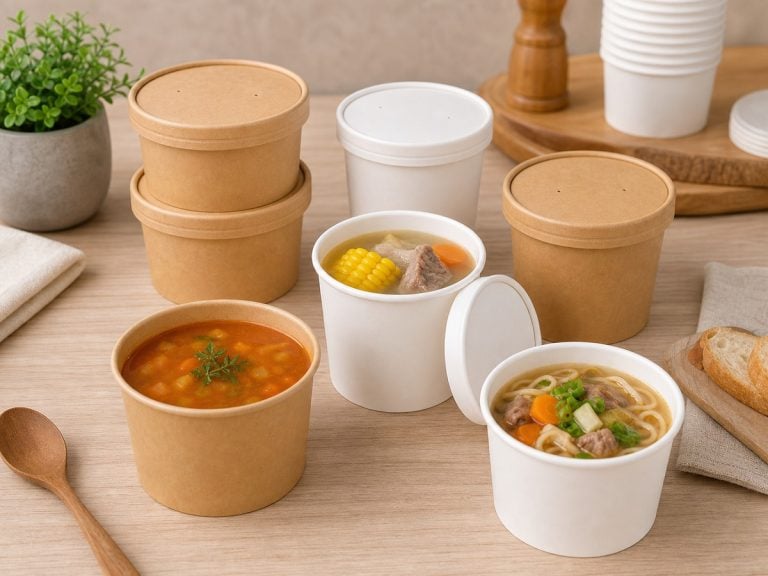
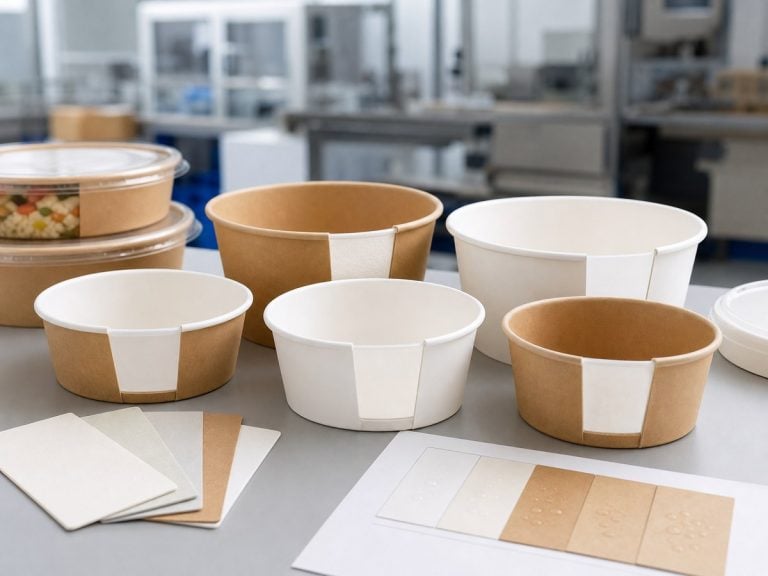
For efficient serving and optimal dining experience, standard soup bowls typically hold 8–12 oz (about 240–350 ml), which accommodates a comforting portion without overflow. For heartier applications like ramen or pho, larger bowls ranging from 24–32 oz (≈700–950 ml) are more practical and better at retaining heat. Choosing the right bowl size depends on whether the soup is a starter, main, or loaded with ingredients—ensuring portion control, heat retention, and dining convenience.
paper soup bowls — Quick Summary
  • Items displayed (articles): 12
  • Last updated: 2025-08-19
  • Includes test data, compliance guides, buyer FAQs, and real-world use cases.

Editor’s Picks: Top Paper Soup Bowls Guides 2026

FAQ of Bioleader's Eco-friendly Disposable Tableware

1. What materials are commonly used for takeaway containers with lids?

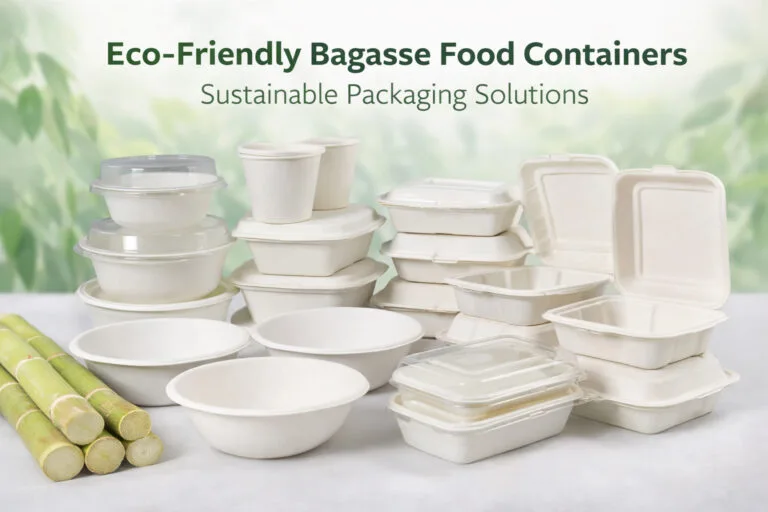
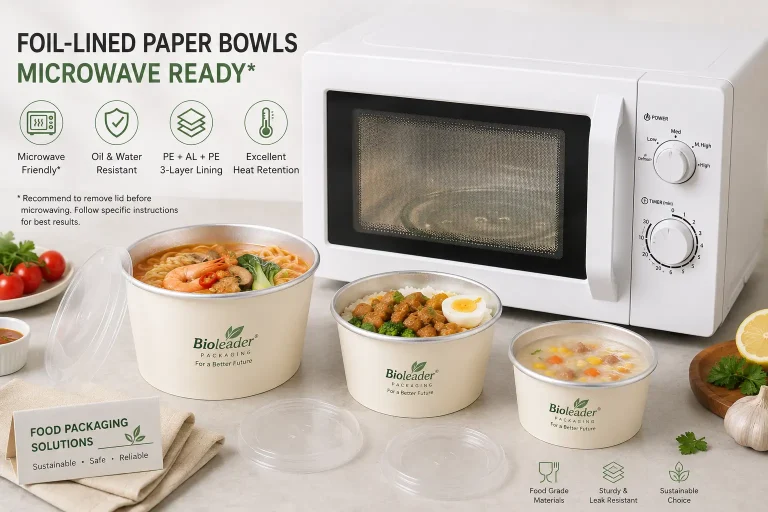
Takeaway containers are made from a variety of materials including sugarcane bagasse, kraft paper, PLA bioplastics, PP plastic, and aluminum — paper soup bowls. For eco-friendly applications, compostable bagasse and PLA are the most sustainable choices.

3. Do eco trays come with multiple compartments?

Absolutely. Many manufacturers offer trays in 1, 2, 3, or 5-compartment designs. This allows proper separation of different food items, which is especially useful for meal prep, airline meals, and school lunch programs.

1. What are bagasse food trays made from?

Bagasse food trays are made from the fibrous residue left after extracting juice from sugarcane. This renewable material is molded into sturdy, compostable trays, providing an eco-friendly alternative to plastic or foam trays.

Case Study B: University Dining Services

In Fall 2023, a major Midwestern university replaced all plastic bowls with Bioleader’s sugarcane (bagasse) bowls across three dining halls serving 12,000 meals daily. Over the semester, landfill waste decreased by 48 tons—a 40% reduction. Student feedback showed 90% approval for bowl strength and temperature retention — paper soup bowls. Dining staff noted a 25% drop in customer complaints about leaks and cold soup, enhancing the campus sustainability program’s reputation.

Single-Wall vs. Double-Wall

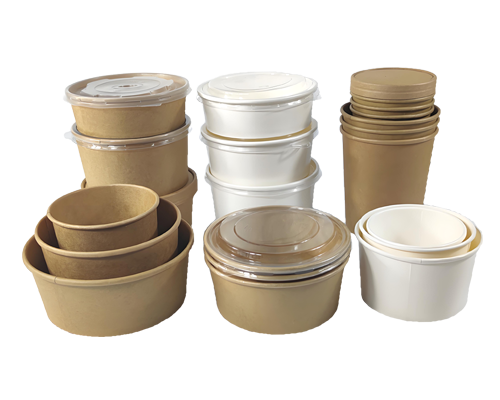
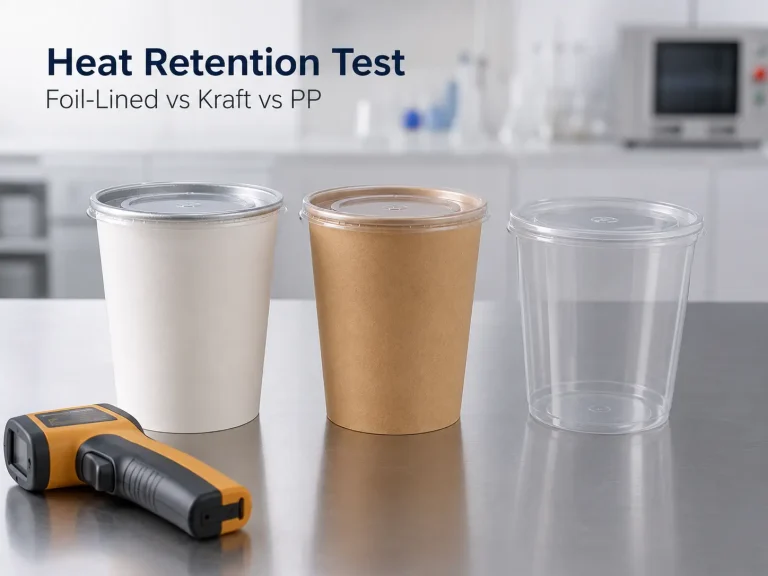
Single-Wall Paper Bowls Construction: One ply of paperboard with a PE or PLA liner. Pros: Lightweight, low cost; suitable for quick consumption. Cons: Limited insulation; hot liquids transfer heat to the hand. Double-Wall (Insulated) Paper Bowls Construction: Two plies of board separated by an air gap , paper soup bowls.

Related Insights

🚀Ready to Go Green and Choose ?

Join the global movement toward zero-waste packaging.


Bioleader® offers:

  • 📦 Bulk order support & fast delivery

  • ✍️ Custom branding and OEM solutions

  • 🌍 Worldwide eco-packaging compliance

Get the Catalogue Products List  & Contact Us Now! 👉

Contact us Below

Click or drag files to this area to upload.You can upload up to 5 files.
The more details you share, the faster and more accurate our quotation will be.