Trends In Paper Pulp Molding Tableware: Market Insights, Innovations & FAQs | Bioleader® Sustainable Packaging

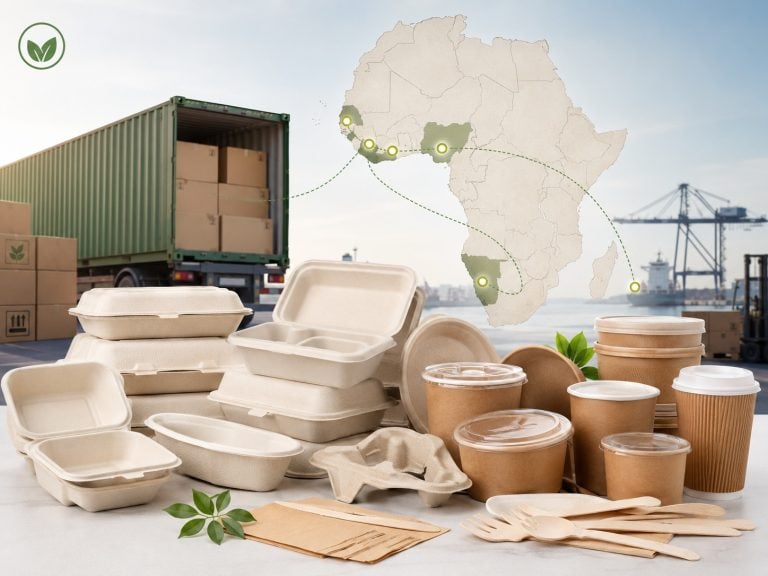
Actionable coverage of Paper Pulp Molding Tableware: eco-friendly, biodegradable, compostable materials, performance data, and compliance under EN13432 & ASTM D6400. Includes BPI/TÜV references and Food-Contact Tested guidance for safe deployment. Buyer-focused: manufacturer insights, bulk/wholesale buying playbooks, OEM/ODM customization tips, full size range selection.
Paper Pulp Molding Tableware — Quick Summary
  • Items displayed (articles): 12
  • Last updated: 2026-03-22
  • Includes test data, compliance guides, buyer FAQs, and real-world use cases.

Editor’s Picks: Top Paper Pulp Molding Tableware Guides 2026

FAQ of Bioleader's Eco-friendly Disposable Tableware

1. What are takeaway trays with lids used for?

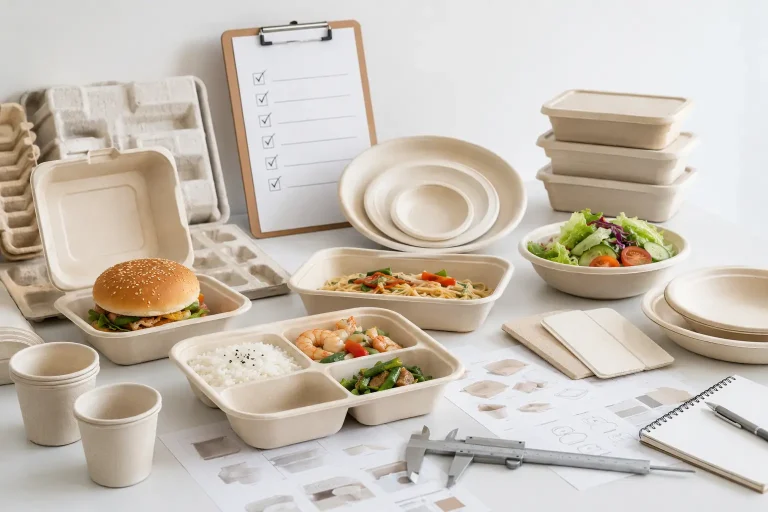
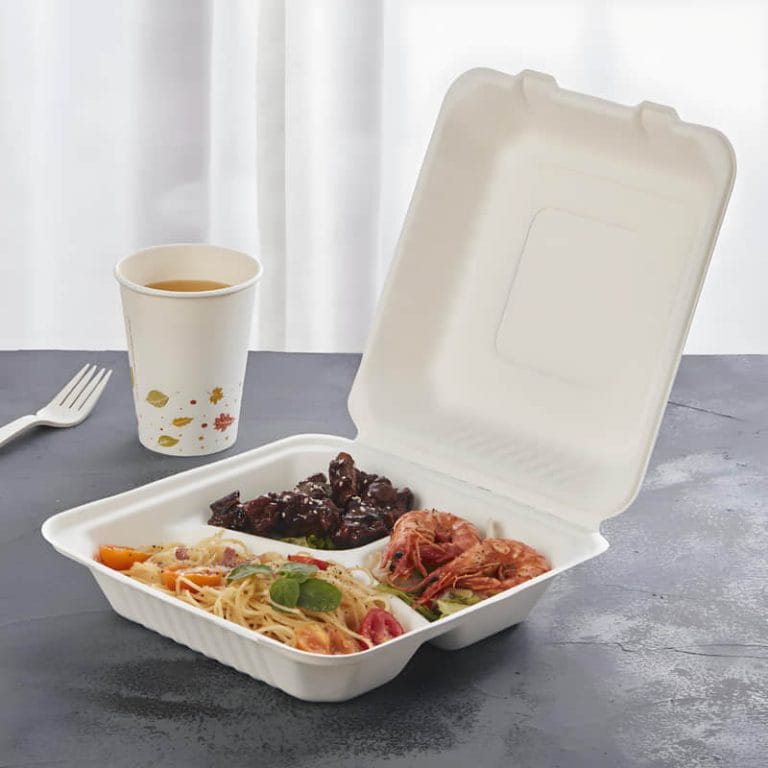
Takeaway trays with lids are used for packaging full meals, combo dishes, or compartmentalized foods for delivery and takeaway. They help keep food fresh, prevent spillage, and maintain separation between hot and cold items.

1. What are bagasse food trays made from?

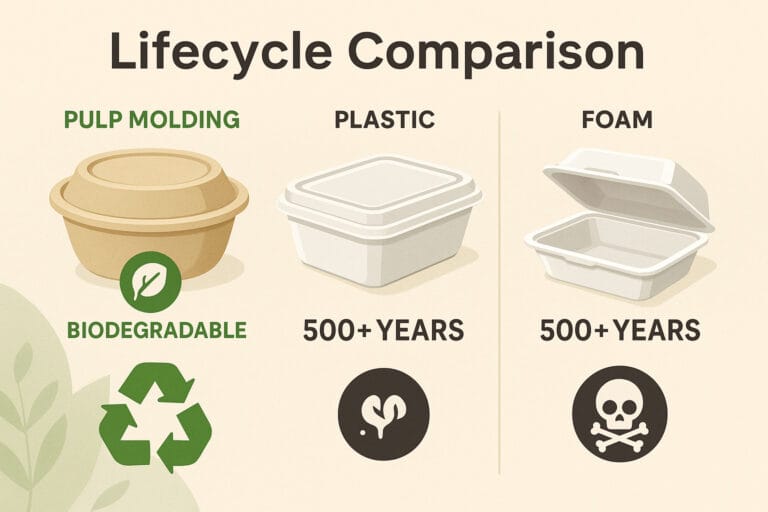
Bagasse food trays are made from the fibrous residue left after extracting juice from sugarcane. This renewable material is molded into sturdy, compostable trays, providing an eco-friendly alternative to plastic or foam trays.

2. Are trays with lids suitable for both hot and cold meals?

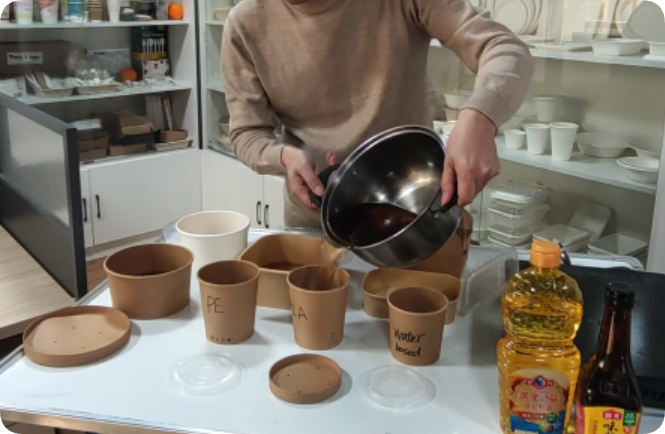
Yes. High-quality eco trays are heat-resistant up to 120°C and freezer-safe. They’re ideal for packing hot dishes like rice and curries or cold items like salads, desserts, and refrigerated meals , Paper Pulp Molding Tableware.

5. What are the Raw Material Compositions and Their Ratios Used in Disposable Degradable Meal Boxes?

Usually produced with a 50% sugarcane fiber + 10%-50% bamboo pulp fiber ratio, conventional meal boxes Different tableware will add plant fibers such wheat straw, wheat grass, and reeds as needed and change the ratio of various fibers according on the form, angle, hardness, and stiffness of the product. All are composed entirely of plant fibers; chemical elements such PP and PET are not added.

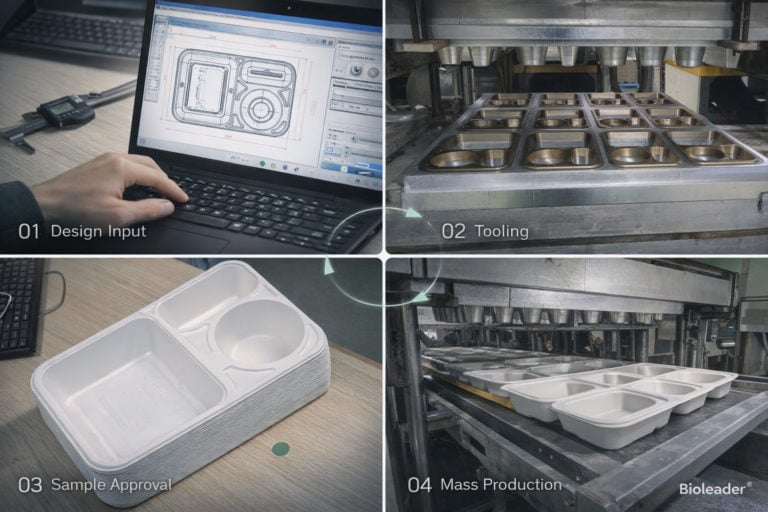
3. How to Deal with the Problem of Mold Blockage and Deposition in the Production Process of Paper Pulp Molding Tableware

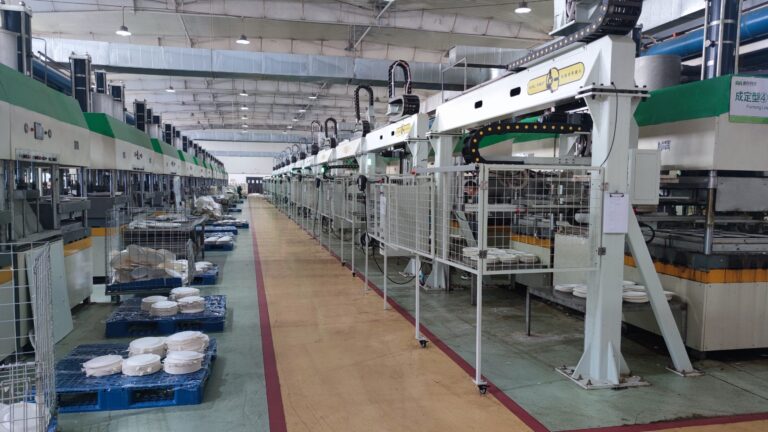
Brown deposits could develop during the hot pressing stage while manufacturing paper pulp molded dinnerware using raw materials including bagasse — Paper Pulp Molding Tableware. These deposits could lower product quality, clog pipelines, and damage machinery. The main explanation, according to studies, is a high quantity of fine powder including water and oil repellents , Paper Pulp Molding Tableware. Understanding the mechanism of deposit formation helps one to take related actions, such bettering raw material treatment and raising the frequency of equipment cleaning, thus addressing this issue.

Related Insights

🚀Ready to Go Green and Choose ?

Join the global movement toward zero-waste packaging.


Bioleader® offers:

  • 📦 Bulk order support & fast delivery

  • ✍️ Custom branding and OEM solutions

  • 🌍 Worldwide eco-packaging compliance

Get the Catalogue Products List  & Contact Us Now! 👉

Contact us Below

Click or drag files to this area to upload.You can upload up to 5 files.
The more details you share, the faster and more accurate our quotation will be.