The 2025 Buyer’s Guide To Packaging Waste Reduction | Bioleader® Guides

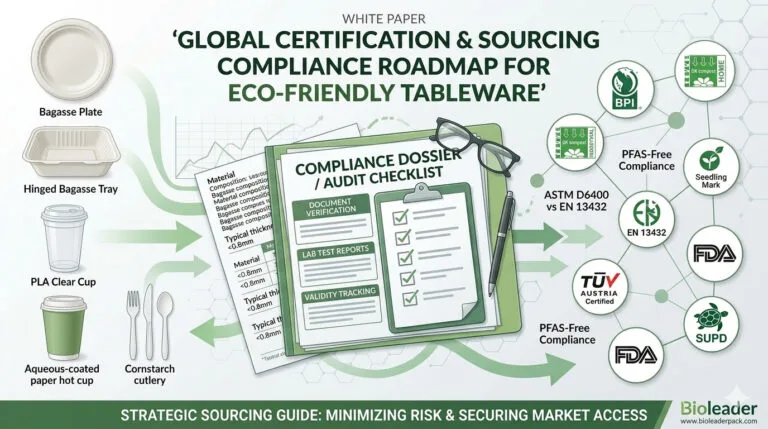
Actionable coverage of Packaging Waste Reduction: eco-friendly, biodegradable, compostable materials, performance data, and compliance under EN13432 & ASTM D6400. Includes BPI/TÜV references and Food-Contact Tested guidance for safe deployment. Buyer-focused: manufacturer insights, bulk/wholesale buying playbooks, OEM/ODM customization tips, full size range selection.

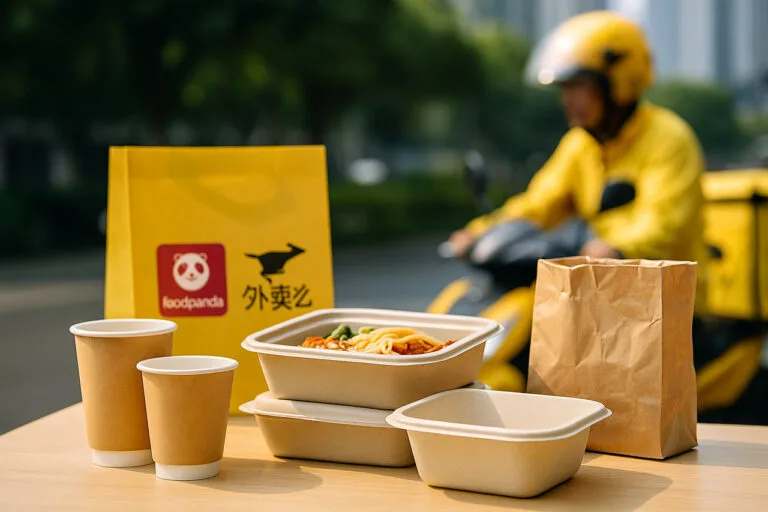
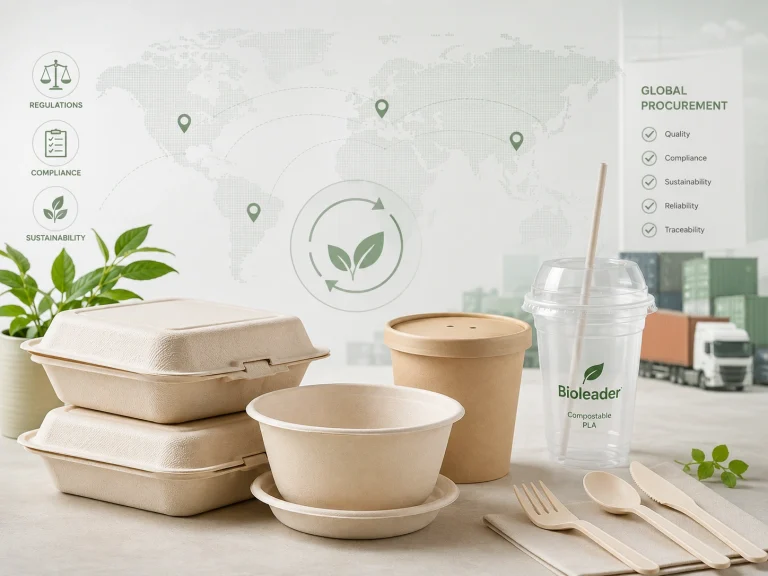
Core Thesis: In Asia’s food-delivery boom, platforms—not suppliers—now set the pace for compostable tableware adoption. Their checkout UX, fee policies, and vendor standards can accelerate plant-based, PFAS-free fiber at scale—but only when aligned with city-level waste pathways.Why It Matters: Packaging is the largest slice of global plastic waste. “Compostable” claims collapse without industrial infrastructure. Platform rules (opt-out cutlery, eco-badges, EPR-aware fees) are becoming the fastest lever to translate intention into measurable waste reduction.

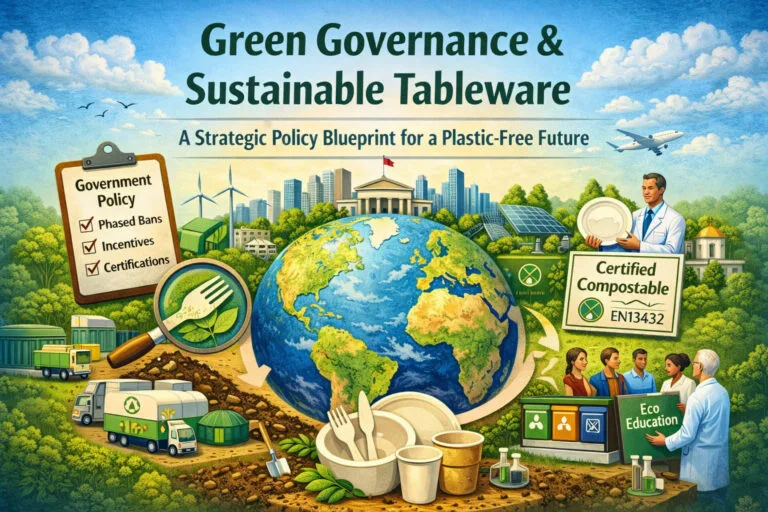
Action Agenda: (1) Make “necessary packaging only” the default; (2) Standardize PFAS-free fiber bases + mono-material lids; (3) Publish city-specific disposal guidance; (4) Tie merchant scores to verified packaging outcomes; (5) Co-fund organics pilots with municipalities; (6) Share quarterly packaging scoreboards.

Packaging Waste Reduction — Quick Summary
  • Items displayed (articles): 12
  • Last updated: 2025-10-20
  • Includes test data, compliance guides, buyer FAQs, and real-world use cases.

Editor’s Picks: Top Packaging Waste Reduction Guides 2026

FAQ of Bioleader's Eco-friendly Disposable Tableware

Can I customize these bowls with my brand logo?

Yes, we offer full customization options — Packaging Waste Reduction. You can add your company’s logo or custom artwork to create unique and branded eco-friendly packaging.

Do the lids fit tightly?

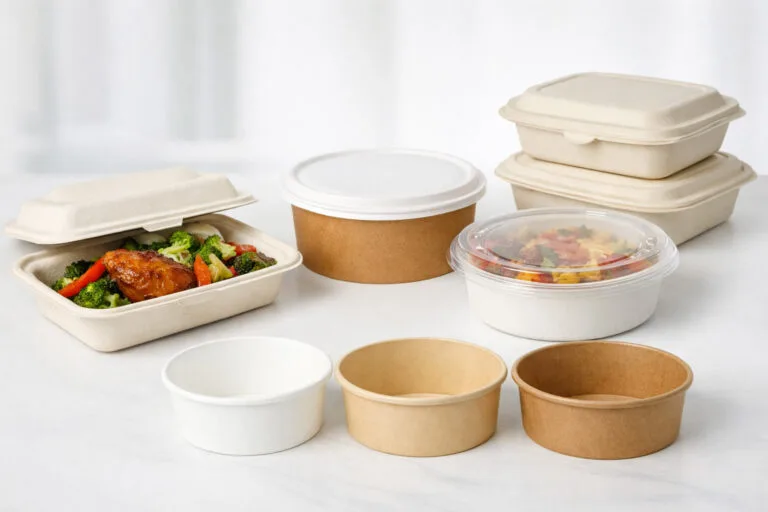
Yes, The lids can be placed firmly on the containers ensuring no spillage while carrying or dragging around.

They cannot take away hot foods?

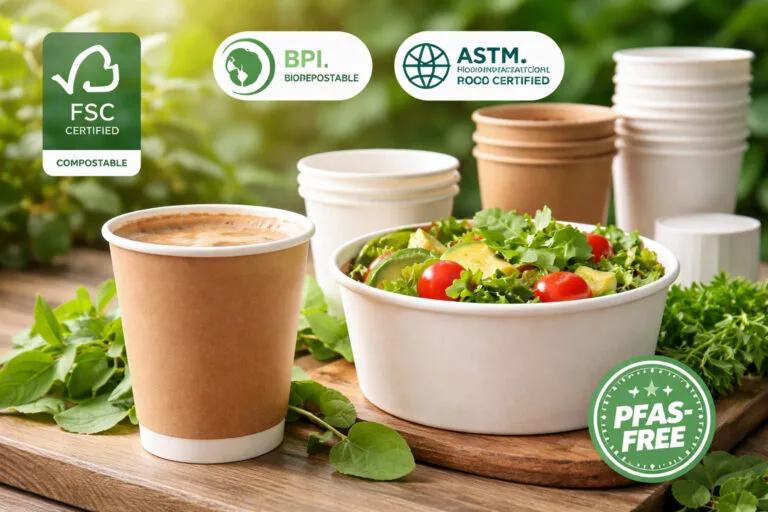
Yes, of course. These salad bowls kraft paper and can take hot food as well as cold food, hence usable for a range of dishes.

3.5 City Pilots and Reverse Logistics

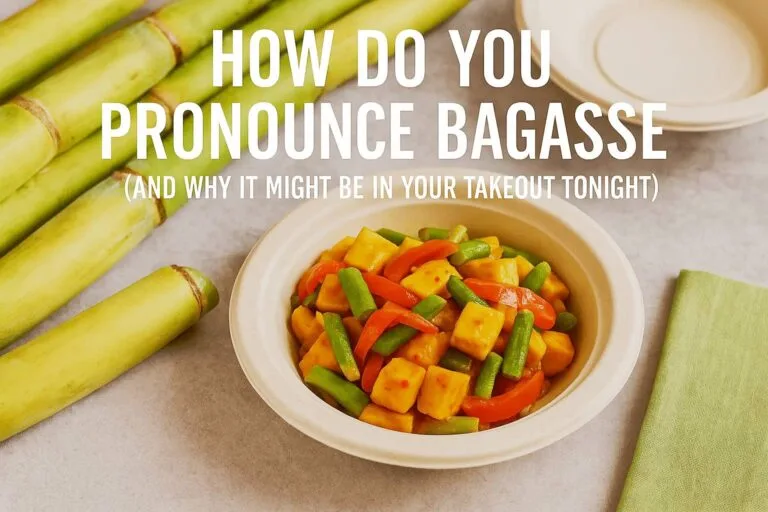
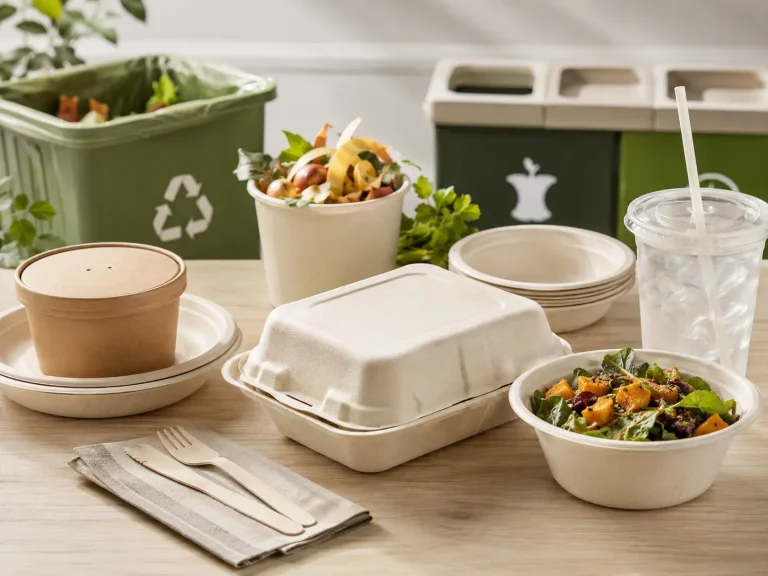
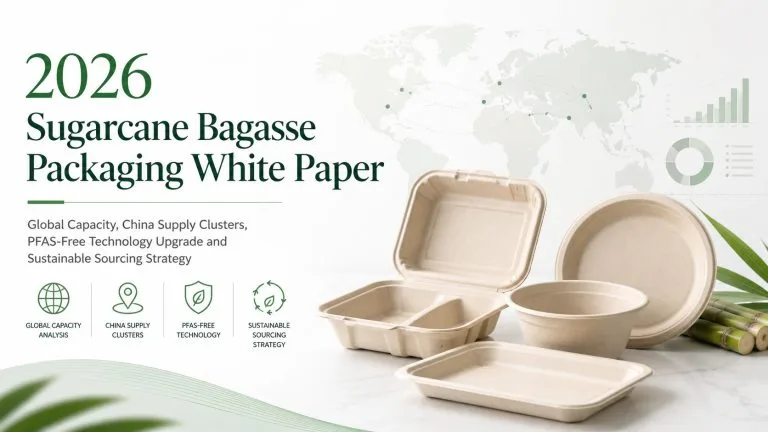
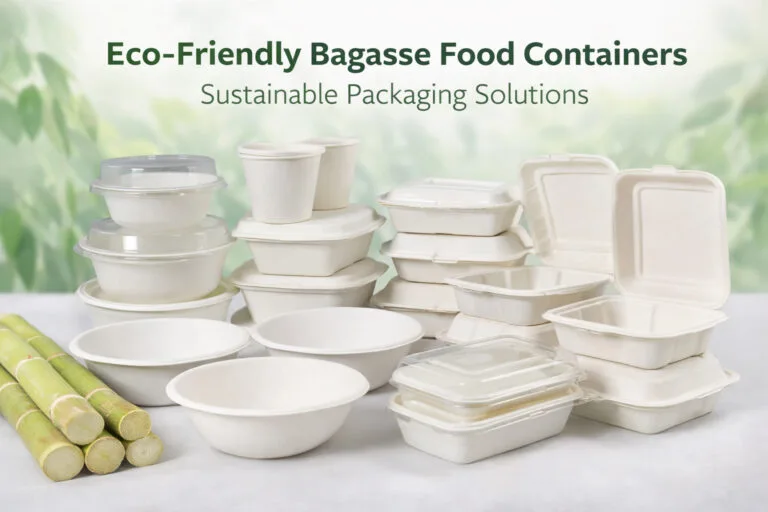
Where composting exists (or can be trialed), platforms should co-fund organics capture at high-density nodes: food courts, universities, office parks. Begin with one or two “hero SKUs” (bagasse bowls and trays) and mono-material lids, supported by on-site signage and staffed nudges during launch weeks — Packaging Waste Reduction. Publish pilot data—even if imperfect , Packaging Waste Reduction. 4) Materials: What Works in the Real Meal, Not the Ideal Label bagasse vs plastic containers

3.2 Merchant Scorecards and Eco-Badges

Platforms can grade vendors on objective packaging metrics: PFAS-free status, material counts per order, unit counts (containers + lids + bags), validated heat/leak curves, and documented end-of-life claims. Badges should be earned (verified with documentation and spot checks) and differentiated by city infrastructure. What to avoid: badges that reward “looks” (kraft texture, leaves on the box) rather than performance and recovery.

Related Insights

🚀Ready to Go Green and Choose ?

Join the global movement toward zero-waste packaging.


Bioleader® offers:

  • 📦 Bulk order support & fast delivery

  • ✍️ Custom branding and OEM solutions

  • 🌍 Worldwide eco-packaging compliance

Get the Catalogue Products List  & Contact Us Now! 👉

Contact us Below

Click or drag files to this area to upload.You can upload up to 5 files.
The more details you share, the faster and more accurate our quotation will be.