









Let’s admit it—bagasse is one of those words you’ve probably read a few times on an eco label or takeout box and thought, “Wait… how do you even say this?”
Is it bag-ass? bag-ayss? ba-ga-say?
Well, it’s time to clear it up once and for all—because bagasse isn’t just a fun word to pronounce, it’s one of the most promising materials in sustainable packaging today.
So… How Do You Pronounce Bagasse?
Here’s the breakdown:
📢 Correct pronunciation (American English): buh-GAS
📝 Rhymes with: glass, mass, sass
🚫 Not: bag-ass (we heard that one too…)
The word comes from French, where it was originally used to describe the fibrous pulp left over after sugarcane or beets were crushed for juice. So yes—it’s got roots (pun intended) in the sugar world.
Wait—What Is Bagasse, Anyway?
Now that we can say it, let’s talk about what it actually is.
Bagasse is the dry, pulpy residue that remains after sugarcane stalks are crushed for juice extraction. While it used to be discarded or burned, it’s now being turned into:
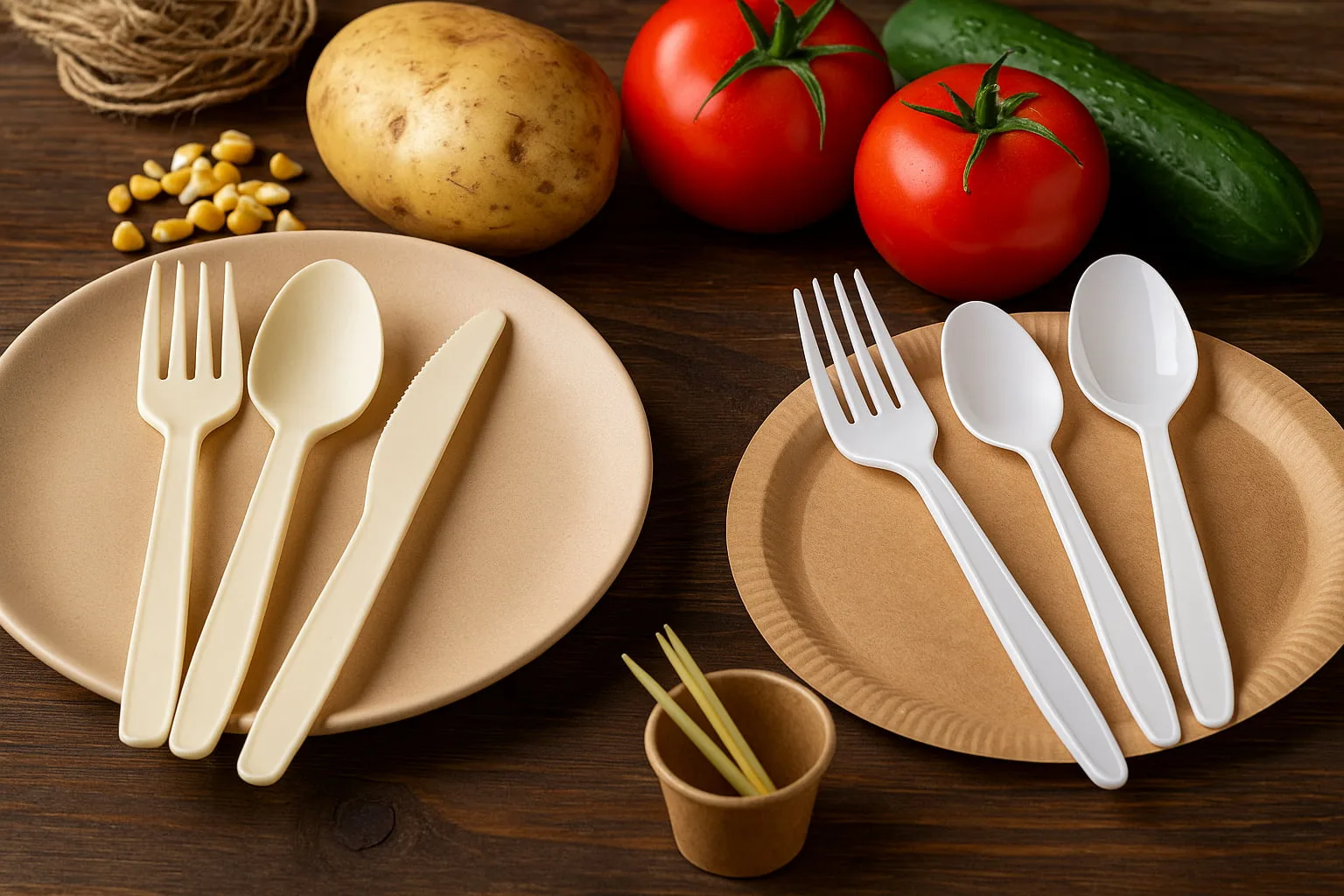
Plates
Bowls
Cups
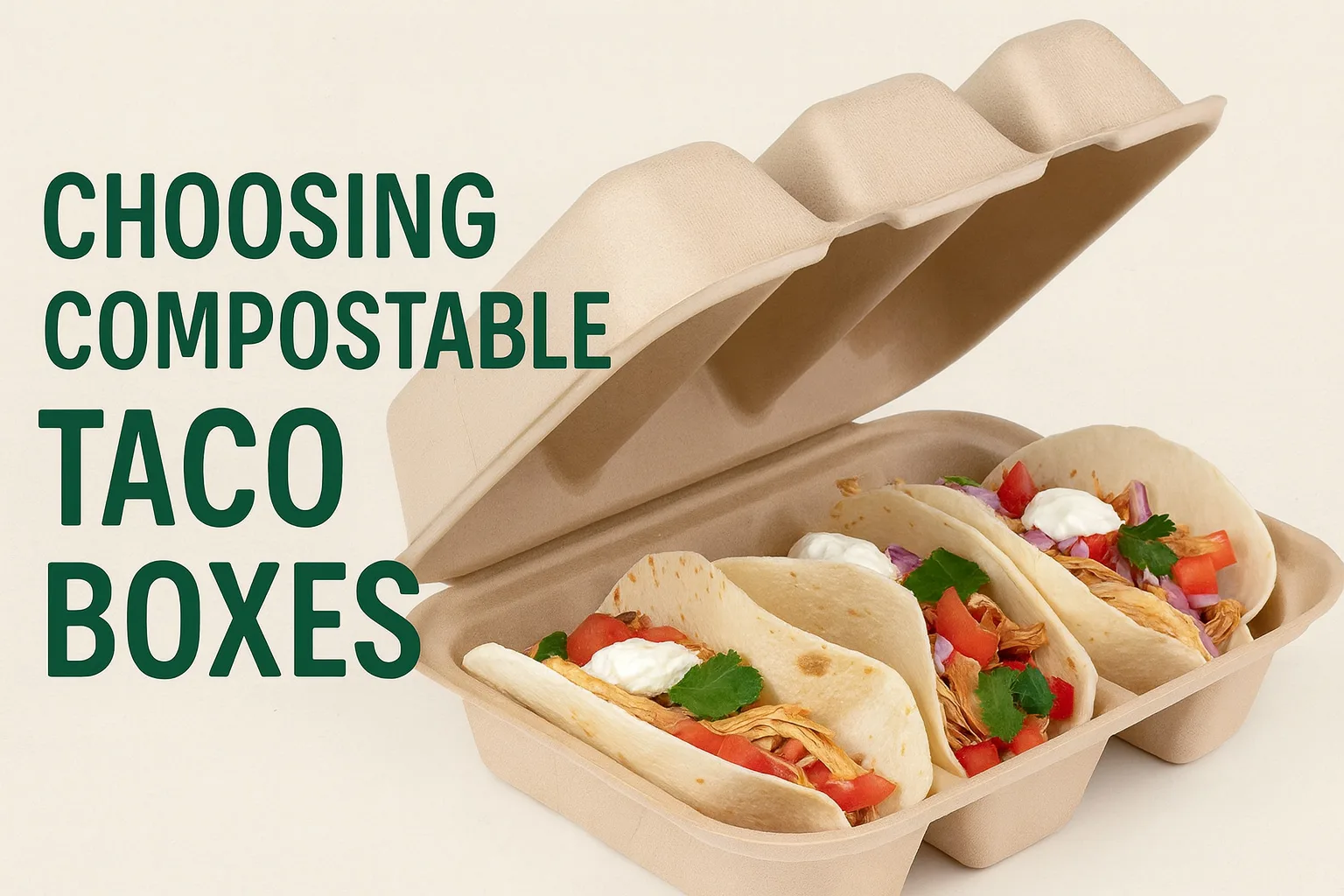
And even paper soup containers for takeout!
Because it’s strong, naturally moisture-resistant, and completely compostable, bagasse is quickly becoming the eco-conscious answer to plastic and foam packaging.

Why Everyone’s Talking About Bagasse Tableware in 2025
In a time when plastic bans are sweeping across U.S. cities and sustainability is a major selling point, bagasse is having its moment. You’ve probably already eaten out of it without even knowing!
Here’s why it’s such a big deal:
✅ Made from agricultural waste (no new trees harmed!)
✅ Withstands heat, moisture, and saucy foods
✅ Compostable in industrial and home systems
✅ Pairs well with everything from chili to chow mein
And it doesn’t hurt that bagasse packaging feels premium in your hand and looks great on your picnic table.

Where You’ve Probably Seen It (But Didn’t Realize)
If you’ve ordered from any trendy food truck, vegan café, or health-conscious delivery app lately, odds are you’ve already held bagasse in your hands. It’s the off-white or beige molded container that feels like paper but acts like plastic.
Think:
That bowl of ramen from your favorite takeout spot?
Your lunchtime poke bowl from the café next to your gym?
Yep, likely bagasse.
And if it’s sturdy, microwaveable, and leaves no guilt in the trash? Probably from Bioleader, one of the top global manufacturers of compostable packaging—including a growing range of paper soup containers and takeaway solutions made from sugarcane.
Why Pronunciation Actually Matters
Okay, you might be wondering: why does how I say “bagasse” even matter?
Because when people get comfortable with a word, they talk about it. And when they talk about it, they make smarter choices—in the supermarket, at restaurants, and in their homes.
Knowing how to pronounce bagasse makes it:
Less intimidating to ask for at stores or supply catalogs
Easier to recommend to friends or colleagues
More likely you’ll notice it on a product label
Plus, it’s just fun to say. (buh-GAS! Try it.)
Is Bagasse Better Than Plastic (or Paper or Areca)?
Short answer? Yep. Here’s a quick breakdown:
| Material | Compostable | Heat-Resistant | Leak-Proof | Sustainable Source |
|---|---|---|---|---|
| Bagasse | ✅ Yes | ✅ Yes | ✅ Yes | ✅ Sugarcane waste |
| Plastic (PET) | ❌ No | ✅ | ✅ | ❌ Petroleum-based |
| Styrofoam | ❌ No | ⚠️ Limited | ✅ | ❌ Non-renewable |
| Areca Palm Plate | ✅ Yes | ⚠️ Moderate | ⚠️ Medium | ✅ Fallen palm leaves |
While Areca plates (made from pressed palm leaves) offer rustic charm and home compostability, they’re better for dry or light foods. Bagasse? It holds up under saucy, steamy, and serious BBQ conditions.
That’s why many foodservice businesses prefer sourcing from trusted brands like Bioleader, whose bagasse products offer consistent strength, food safety certifications, and eco appeal—without sacrificing practicality.

How to Dispose of Bagasse the Right Way
Here’s the beauty of it:
Compostable: Toss into green bins in cities with composting systems
Home compost-friendly: Breaks down in as little as 60–90 days under warm, moist conditions
Better than recycling: No need to rinse or separate—just throw and go (responsibly)
You can even break them up and add them to your home compost pile as “brown” material to balance your food scraps.
FAQ
Final Thoughts: Say It, Use It, Love It
Bagasse may be a weird word, but it’s doing something wonderful.
In a world where we’re drowning in plastic, this fibrous underdog from sugarcane fields is quietly becoming a hero of the zero-waste movement.
So the next time you’re eating out of a molded fiber bowl, or picking disposable plates for your next party, remember:
It’s buh-GAS.
It’s good for the planet.
And with suppliers like Bioleader, it’s easier than ever to bring sustainable choices to your table.