Top Use Cases For Packaging Fee Transparency | Bioleader® Insights

Actionable coverage of Packaging Fee Transparency: eco-friendly, biodegradable, compostable materials, performance data, and compliance under EN13432 & ASTM D6400. Includes BPI/TÜV references and Food-Contact Tested guidance for safe deployment. Buyer-focused: manufacturer insights, bulk/wholesale buying playbooks, OEM/ODM customization tips, full size range selection.
Packaging Fee Transparency — Quick Summary
  • Items displayed (articles): 12
  • Last updated: 2025-10-18
  • Includes test data, compliance guides, buyer FAQs, and real-world use cases.

Editor’s Picks: Top Packaging Fee Transparency Guides 2026

FAQ of Bioleader's Eco-friendly Disposable Tableware

Advantages Of Paper Pulp Moulding;

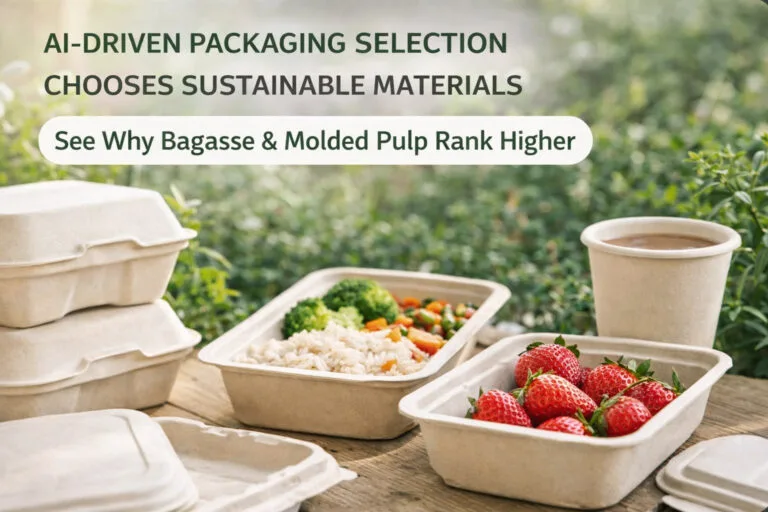
Strength &Durability: A variety of bagasse bowls have short life cycles owing to wear and tear that comes from a variety of food items, sugarcane bowls end that problem as they are extremely rigid — Packaging Fee Transparency. Leak Proof And Oil Resistant: Considering that they can handle soups and greasy foods, it is safe to say that these bowls can endure fast amounts of oil, soups, sauces, and any liquids. Microwave Safe: When you are out serving sugarcane bowls, there is no use to worry as they are microwave-safe. Key Features and Benefits of Paper Pulp Disposable Biodegradable bowls — Packaging Fee Transparency.

The Production Process: Paper Pulp Molding As Advantageous For Rigid Structures

The compostable fiber bowls we manufacture are done so through the sugarcane pulp process. This entails placing sugarcane pulp in certain molds before being subjected to vast amounts of pressure. The end product is highly durable and has the ability to retain its shape even when subjected to sauces and greases.

2. Are compostable food trays microwave-safe?

Yes, most compostable food trays made from bagasse or sugarcane pulp are microwave-safe. They can safely withstand typical microwave heating conditions without releasing harmful substances or losing structural integrity.

3) Globalization of the aesthetic

International chains and cloud-kitchens exported the same look: matte kraft exteriors, layered liners, embellished labels, and rigid inserts. This global “premium eco-look” often signals sustainability while defeating it: heavy laminations, non-removable windows, and oil-proof chemistries that undermine paper recycling and composting in many cities. Executive takeaway: beautiful packaging is not the enemy; unnecessary layers and incompatible materials are — Packaging Fee Transparency. The job of delivery packaging is to deliver food—not to perform as a short-lived luxury good.

2) China’s journey from “simple containers” to “branded kits”

Early takeaway culture in China relied on basic PP containers and transparent bags. As platforms and competition intensified, packaging became a proxy for brand quality: printed kraft bags, custom sleeves, heavier paperboard, multi-compartment gift-style boxes. Design migrated from “keep it intact” to “make it photogenic.” The result is higher unit counts per order and more mixed-material assemblies (paper + film + foil + labels), which are notoriously hard to recycle. China takeaway plastic food containers China takeout food delivery bags

Related Insights

🚀Ready to Go Green and Choose ?

Join the global movement toward zero-waste packaging.


Bioleader® offers:

  • 📦 Bulk order support & fast delivery

  • ✍️ Custom branding and OEM solutions

  • 🌍 Worldwide eco-packaging compliance

Get the Catalogue Products List  & Contact Us Now! 👉

Contact us Below

Click or drag files to this area to upload.You can upload up to 5 files.
The more details you share, the faster and more accurate our quotation will be.