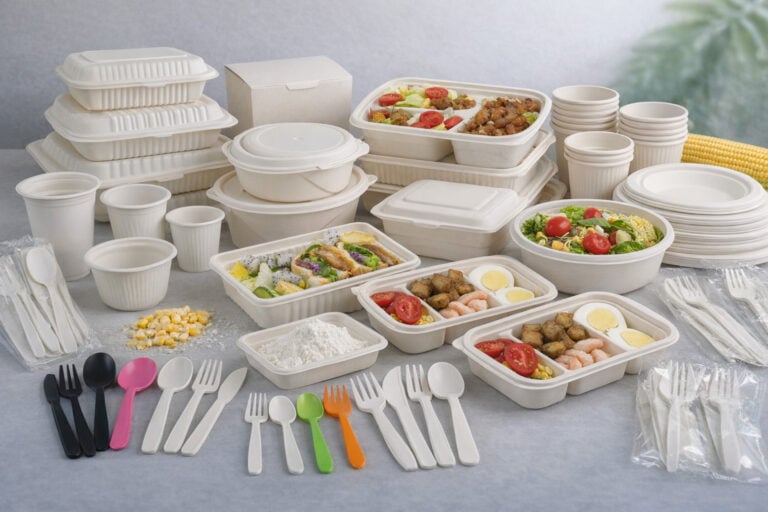
Non Toxic Dining Set: Performance Overview | Bioleader® Insights

Browse articles grouped under the "non toxic dining set" tag for topic-specific information and examples. The featured articles may approach the topic from different product, material, application, market, or sourcing perspectives. Check each article for its exact scope, technical data, standards, sources, and recommendations.
non toxic dining set — Content Overview
  • Featured articles shown: 12
  • Directly tagged articles: 1
  • Latest tagged article update: 2026-07-28
  • Coverage, examples, and specific recommendations vary by individual article.

Editor's Picks: Top Non Toxic Dining Set Guides 2026

FAQ of Bioleader's Eco-friendly Disposable Tableware

What is the capacity of a 750ml rectangular paper salad bowl?

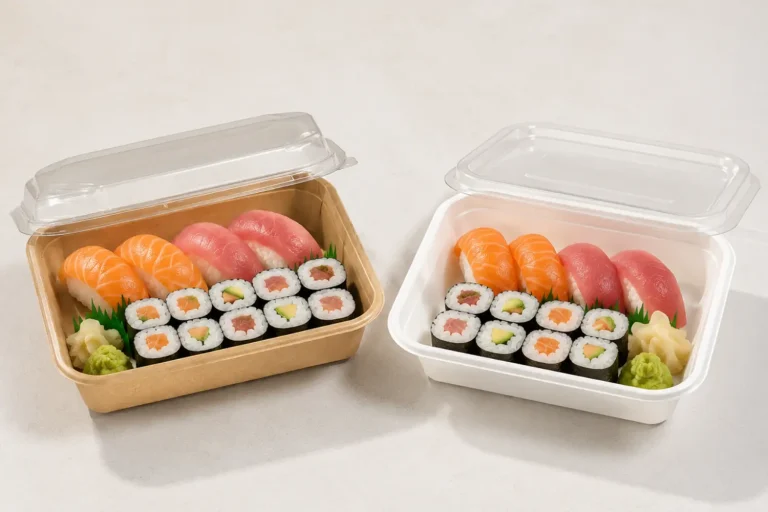
A 750ml rectangular paper salad bowl is designed for regular single-serve or meal portions. It is commonly used for salads, rice bowls, sushi-style meals, cold noodles, desserts, side dishes, and takeaway meals. For buyers building a wider rectangular bowl range, 750ml can be paired with 500ml, 650ml, and 1000ml rectangular paper bowls.

Are 1300ml paper salad bowls with lids suitable for salads and takeaway meals?

Yes — non toxic dining set. Bioleader® 1300ml paper salad bowls with lids are suitable for salads, rice bowls, cold meals, takeaway meals, and prepared food programs , non toxic dining set. The food-grade paperboard structure, coated surface, rolled rim, and matching lid options help improve stacking, handling, and transport performance.

Can aluminum foil lined paper salad bowls be used in a microwave?

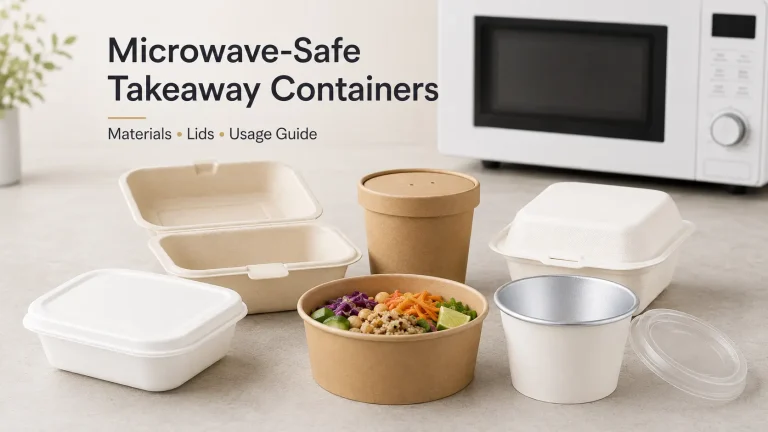
No. Because the bowl contains an aluminum foil liner, microwave use is not recommended. These bowls are designed for takeaway, delivery, food holding, and serving, not for microwave reheating, so usage guidance should be clearly communicated to end users — non toxic dining set.

Non-Toxic Dinnerware Safety Checklist

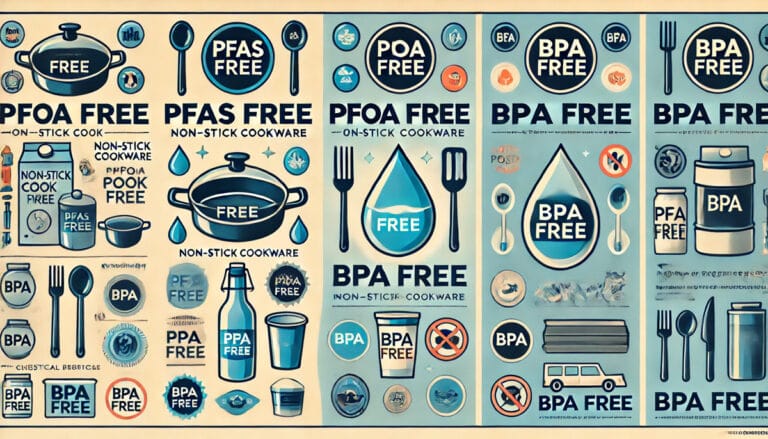
Safety Factor Why It Matters What Buyers Should Check Lead and cadmium control Heavy metals may migrate from unsafe ceramic glazes or decorative surfaces. Lead-free claims, cadmium testing, XRF screening, FDA or EU food-contact documentation. BPA-free status BPA has raised endocrine-related concerns in certain plastic food-contact materials. BPA-free declaration and material transparency for plastic or coated products.

Scientific Data and Expert Opinions

Environmental health research has repeatedly highlighted that lead and cadmium exposure should be minimized, especially for children, pregnant women, and other vulnerable groups. The CDC states that no safe level of lead in children’s blood has been identified, which supports a precautionary approach when selecting dinnerware. In practical terms, consumers and businesses should avoid dinnerware with unknown glazes, decorative-only labels, damaged surfaces, or missing food-contact documentation.

Related Insights

🚀Ready to Go Green and Choose ?

Join the global movement toward zero-waste packaging.


Bioleader® offers:

  • 📦 Bulk order support & fast delivery

  • ✍️ Custom branding and OEM solutions

  • 🌍 Worldwide eco-packaging compliance

Get the Catalogue Products List  & Contact Us Now! 👉

Contact Us for Quote

Click or drag files to this area to upload.You can upload up to 5 files.
The more details you share, the faster and more accurate our quotation will be.