









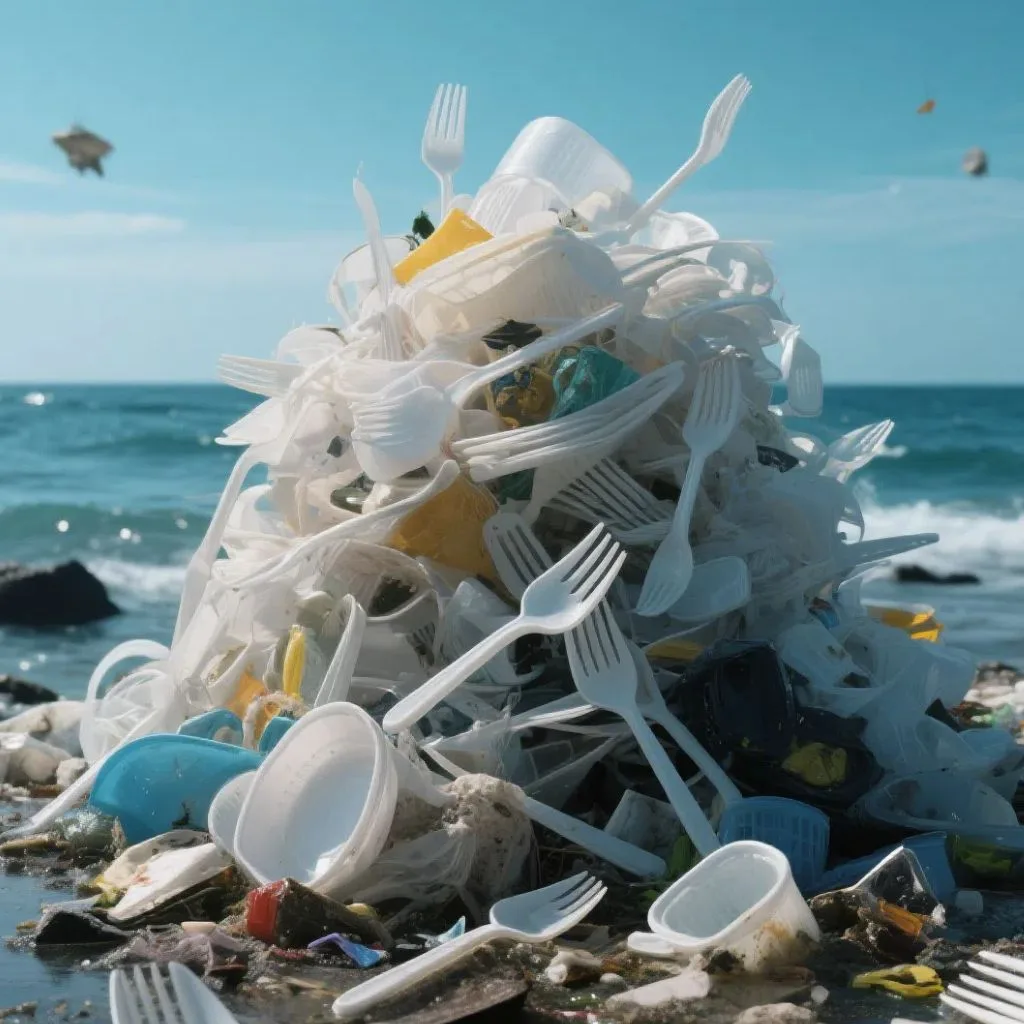
For decades, single-use plastic forks and spoons were considered the default solution for fast food outlets, school cafeterias, parties, and catering services. Their low cost and convenience made them nearly unavoidable. However, their environmental cost is staggering. Studies estimate that over 40 billion plastic utensils are discarded globally every year, with most either burned, landfilled, or polluting waterways. These plastics take hundreds of years to degrade and release microplastics that contaminate food chains.
This reality has fueled global momentum toward compostable alternatives. Parents, restaurants, schools, and businesses are no longer asking only whether compostable cutlery is “eco-friendly.” They are asking something more practical: Can compostable forks and spoons really replace plastic in everyday, real-world meals? Will they hold up when serving a steaming bowl of noodles, a dense steak, or a hearty chili?
The answer, backed by material science, market adoption, and regulations, is yes. Today’s compostable cutlery is durable, safe, and versatile—designed to meet both consumer expectations and legal requirements.
What Are Compostable Forks and Spoons Made Of?
Compostable forks and spoons differ from traditional plastic utensils because they are produced from renewable, plant-based sources. The three dominant materials are:
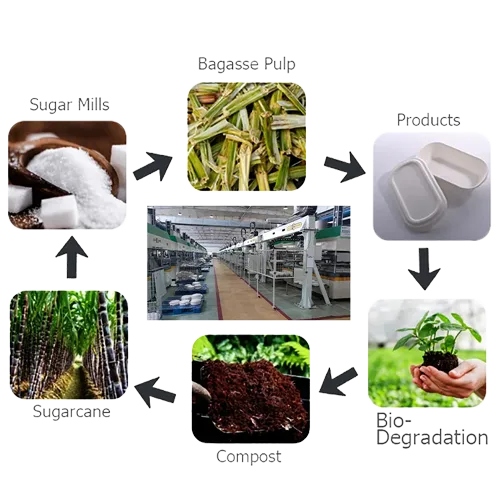
Bagasse Fiber – Bagasse is the fibrous residue left after extracting juice from sugarcane. When molded into cutlery, it creates utensils that are rigid, resistant to oil and heat, and naturally compostable. Bagasse products decompose within 60–90 days under industrial composting.
Cornstarch-Based Bioplastics – Cornstarch can be processed into polymers that mimic the qualities of traditional plastics. Utensils made from cornstarch are flexible and lightweight, making them ideal for casual dining and kids’ meals. They typically decompose in 90–120 days.
CPLA (Crystallized Polylactic Acid) – CPLA is made by crystallizing PLA, a polymer derived from fermented plant starch. This crystallization improves strength and heat resistance, allowing utensils to withstand up to 90°C. CPLA forks and spoons are common in coffee shops, takeout restaurants, and airlines.
Detailed Material Comparison
| Material | Heat Resistance | Strength | Compostability Timeline | Cost | Common Use |
|---|---|---|---|---|---|
| Bagasse | Up to 220°C | Very High | 60–90 days (industrial) | $$ | Soups, oily foods, large events |
| Cornstarch | Up to 120°C | Moderate | 90–120 days | $ | Kids’ parties, schools, home meals |
| CPLA | Up to 90°C | High | 80–100 days | $$$ | Coffee shops, airline trays |
This choice of materials ensures compostable forks and spoons are not a single generic product, but a range of tailored solutions for different dining needs.
Performance in Real Meals — Do They Hold Up?
Handling Hot Meals
One of the most common concerns about compostable cutlery is whether it can truly withstand hot meals without bending, softening, or releasing harmful substances. Unlike traditional plastic cutlery, which often warps or leaches microplastics when exposed to high temperatures, compostable forks and spoons are engineered for thermal stability.
Bagasse cutlery can resist temperatures up to 220°C, making it safe for extremely hot foods like ramen, curries, baked pasta trays, and even oven-fresh lasagna. This makes bagasse the preferred option in cafeterias, catering services, and restaurants that serve steaming dishes.
Cornstarch cutlery offers moderate heat resistance—up to 120°C—which is sufficient for most home-cooked or casual meals such as pasta, omelets, or rice bowls. While not designed for extreme boiling, it remains reliable in daily family dining.
CPLA cutlery maintains strength up to 90°C, making it suitable for hot beverages, soups, and lighter hot dishes. It is widely used in coffee shops and airline catering, where both heat resistance and appearance matter.
By matching the cutlery material with the type of meal, users can confidently serve hot dishes without worrying about utensil deformation or food safety.
Strength and Cutting Ability
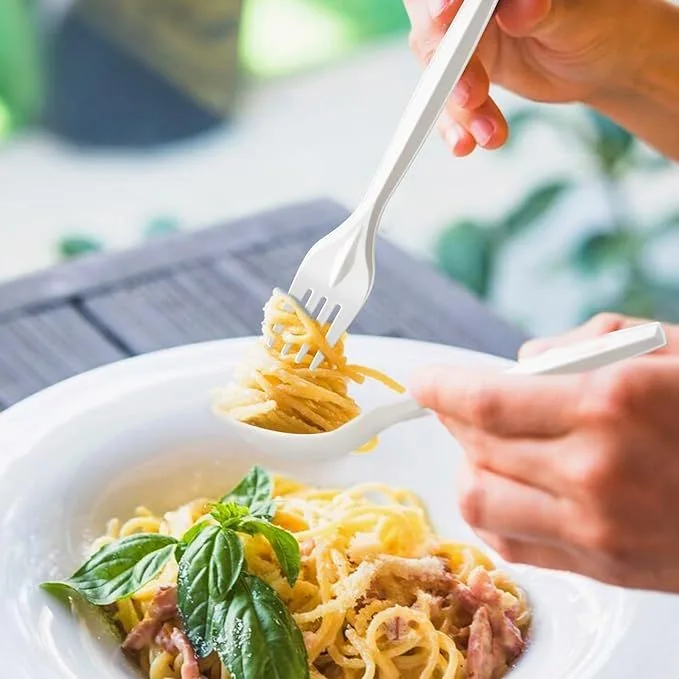
Strength is another key performance indicator. Customers often wonder if compostable forks can handle real meals like meats or dense dishes without snapping. Modern manufacturing processes—particularly pressure molding for bagasse and crystallization for CPLA—have greatly enhanced tensile strength.
Bagasse forks have excellent rigidity. They can pierce grilled chicken, tender beef, or roasted vegetables without bending. Even when used with oily or heavy foods, their structural integrity holds.
CPLA cutlery is designed to mimic the cutting ability of plastic. Independent stress tests show that CPLA forks can handle pressure equal to or greater than single-use PP (polypropylene) plastic forks. They are especially favored by restaurants for pasta, rice, and noodle dishes where repeated stabbing and twisting is required.
Cornstarch forks and spoons are more flexible, which makes them suitable for lighter fare. They may not be the best option for cutting dense meat but perform reliably with salads, baked goods, fruits, and soft proteins like tofu or fish.
For consumers, this means compostable cutlery is not “fragile” but fit-for-purpose. With the right choice of material, they are more than capable of replacing plastic utensils in both family and commercial settings.
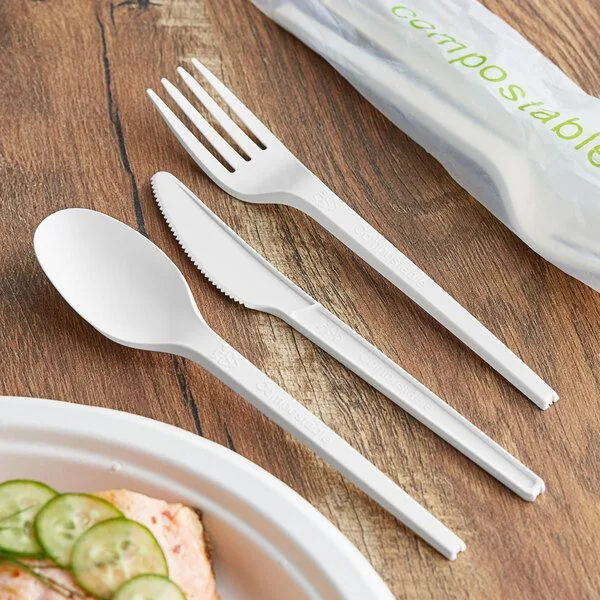
Performance in Liquids
Perhaps the toughest test for disposable cutlery is liquid-based food. Soups, stews, chowders, and sauces put utensils under stress: heat, moisture, and prolonged immersion.
Compostable spoons are specifically molded with reinforced handles and deep bowls to retain shape. Even after sitting in hot broth for 15–20 minutes, bagasse and CPLA spoons remain firm.
Unlike wooden cutlery, which tends to splinter or absorb liquid, compostable cutlery maintains a smooth, comfortable texture throughout use. This ensures both safety and user experience.
Case applications: In school cafeterias and airline meals, compostable spoons have proven reliable for tomato soup, porridge, and ramen. Consumer feedback highlights that they do not soften or impart flavor to the food.
In real-world dining scenarios, compostable forks and spoons demonstrate performance equal to, or better than, many plastic counterparts. They combine comfort with eco-safety, ensuring that families and businesses can serve both solid and liquid meals without compromise.
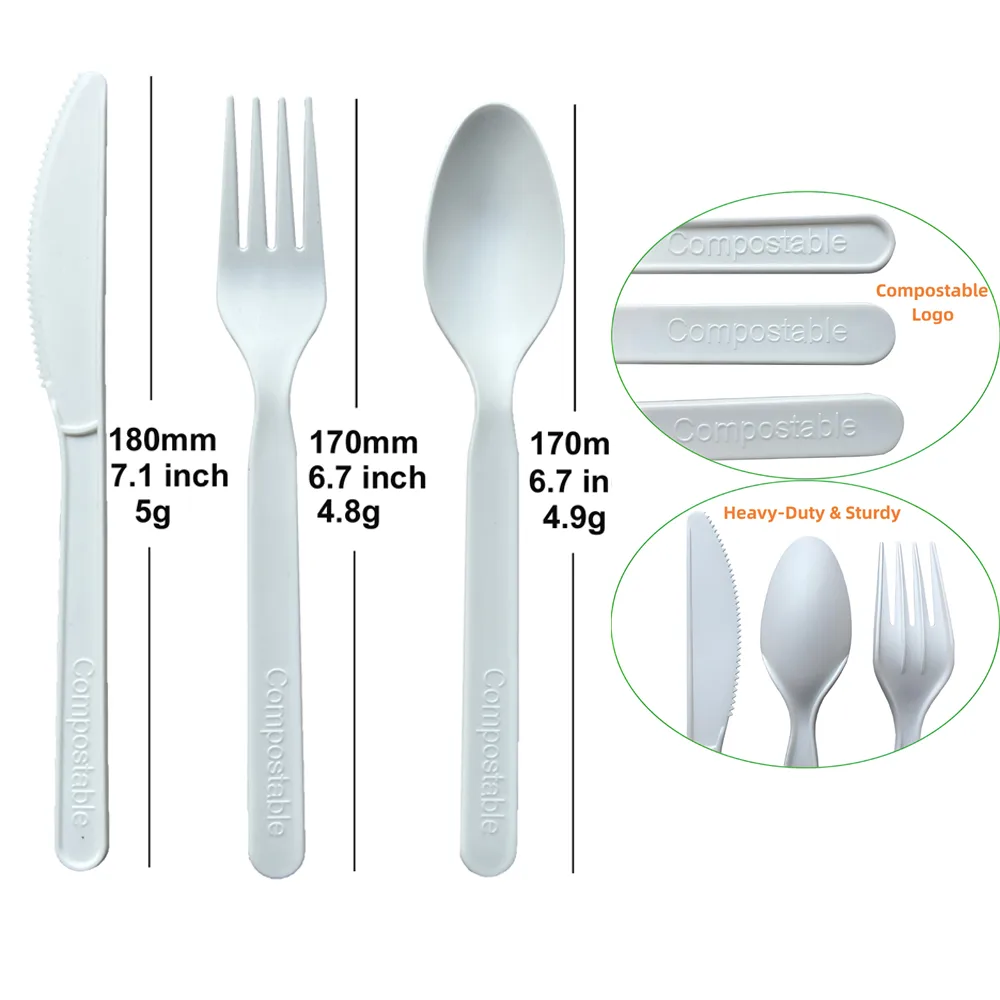
Regulation & Market Drivers
The rise of compostable forks and spoons is not just a consumer trend—it is being accelerated by global regulation. Governments worldwide have realized that single-use plastic cutlery is one of the most visible and persistent contributors to waste pollution. The result has been a wave of bans, standards, and incentives that directly push businesses and families toward compostable options.
Global Standards for Compostability
European Union (EN13432): This benchmark requires products marketed as “compostable” to fully disintegrate within 90 days under industrial composting conditions, leaving no harmful residue. Forks and spoons made of bagasse, cornstarch, or CPLA that achieve this certification are widely accepted across EU member states.
United States (ASTM D6400): This standard sets rigorous testing protocols for compostable plastics, ensuring that utensils biodegrade at a similar rate as organic waste and produce no toxic byproducts. Many foodservice distributors in the U.S. now require ASTM certification before stocking compostable cutlery.
BPI Certification: In North America, the Biodegradable Products Institute certifies compliance with ASTM standards, giving buyers additional assurance that products truly meet eco-claims.
National and Regional Bans
Canada (SOR/2022-138): As of 2025, non-certified single-use plastic cutlery is prohibited from manufacture, import, and sale, with penalties reaching CAD $250,000 per violation.
Asia-Pacific: Countries like Japan, Singapore, and South Korea have enacted strict rules. Japan’s Plastic Resource Circulation Law requires businesses to replace 12 categories of single-use plastics—including forks and spoons—with recyclable or compostable alternatives. Singapore has mandated compostable cutlery for dine-in and takeaway in government buildings.
European Cities: Many municipalities in France, Germany, and the Netherlands have gone beyond national laws, requiring only certified compostable or reusable cutlery for festivals, schools, and public catering events.
Market Adoption and Compliance Pressure
The foodservice industry has responded quickly. Airlines, quick-service restaurants, and school cafeterias are among the largest early adopters of compostable forks and spoons. For these organizations, switching is not simply about sustainability—it is about avoiding penalties, meeting procurement requirements, and strengthening consumer trust.
What drives adoption even faster is consumer perception. Diners increasingly equate compostable packaging and cutlery with higher food quality and ethical responsibility. A 2024 survey across the U.S. and EU found that 72% of consumers prefer restaurants offering compostable utensils, even if it means slightly higher menu prices.
Packaging Options & Use Cases
Bulk Biodegradable Cutlery for Events
Large catering companies, weddings, and music festivals often require tens of thousands of utensils. Bulk cartons of compostable forks and spoons reduce packaging waste while offering cost savings. For event organizers, this also means easier logistics and faster distribution.
Individually Wrapped Compostable Cutlery for Hygiene
Hospitals, airlines, and school cafeterias often require individually wrapped cutlery for safety reasons. Compostable film wrapping ensures hygiene without compromising compostability. Parents in particular appreciate this option for kids’ meals, especially in post-pandemic dining culture.
Disposable Cutlery Sets for Restaurants and Offices
Restaurants offering takeaway and offices providing employee lunches benefit from complete cutlery sets—fork, spoon, knife, and napkin in a compostable package. Bulk wholesale orders make these sets affordable, while reducing the environmental footprint compared to plastic packs.
Consumer and Industry Trends
The demand for compostable forks and spoons for restaurants is rising sharply. Consumers associate sustainable dining practices with food quality and ethical responsibility. Surveys indicate that over 70% of customers prefer restaurants offering compostable tableware.
For families, compostable cutlery is becoming part of household sustainability habits. Parents choose compostable spoons for children’s snacks, lunchboxes, and parties to avoid plastic exposure. Schools adopting compostable utensils have reported not only lower environmental impact but also greater acceptance from students.
One notable case: a U.S. school district reduced cafeteria waste by 60% after switching entirely to compostable forks and spoons, aligning with its “Zero Waste by 2030” pledge.
Compostable vs. Plastic vs. Wooden Cutlery
Durability and Comfort
Plastic: Strong but environmentally toxic.
Wooden: Firm but uncomfortable in soups and prone to splinters.
Compostable: Balanced—strong enough for meat dishes, comfortable for soups, and safe for children.
Environmental and Cost Factors
Plastic utensils are cheap upfront but create high hidden costs: waste disposal, fines, and reputational damage. Compostable utensils may cost slightly more, but they qualify for subsidies and reduce landfill fees.
Carbon Footprint
Life-cycle analysis shows compostable cutlery emits 40–60% less CO₂ than petroleum plastic. When composted, it enriches soil rather than creating persistent waste. Wooden utensils, while biodegradable, require deforestation and often come with coatings that reduce compostability.
Expert Insights & Real-World Feedback
Sustainability Experts emphasize that compostable cutlery eliminates microplastics and fits into circular economy models.
Foodservice Managers note customer satisfaction improved after adopting compostable utensils, with diners describing them as “sturdier than expected.”
Parents report relief knowing children aren’t exposed to BPA, PFAS, or plasticizers common in conventional plastics.
Buyer’s Guide – Choosing the Right Compostable Cutlery
When purchasing compostable forks and spoons, consider:
Certifications – Ensure products carry EN13432, ASTM D6400, or BPI certification marks.
Meal Type – Choose bagasse for hot curries or stews, CPLA for airline trays and meats, and cornstarch for kids’ parties.
Packaging Options – Bulk for catering, individually wrapped for hospitals, and complete sets for restaurants.
Performance Labels – Look for terms such as safe compostable cutlery for hot meals to guarantee strength.
Conclusion – Making the Eco Switch Confidently
The evolution of compostable forks and spoons proves that eco-friendly doesn’t mean flimsy. These utensils are strong, safe, and compliant with international regulations. From family dinners and birthday parties to catering halls and corporate events, compostable cutlery is a practical replacement for plastic.
By choosing compostable utensils, families protect their children’s health, businesses meet regulatory obligations, and society reduces long-term environmental damage. The future of dining is clear: compostable cutlery is here to stay.
FAQ
1. Are compostable forks and spoons safe for hot food?
Yes. Bagasse and CPLA cutlery can handle boiling hot dishes without melting or bending.
2. How long does biodegradable cutlery take to decompose?
Typically 60–120 days in industrial composting. Home composting may take longer.
3. Is compostable cutlery stronger than wooden cutlery?
Yes, bagasse and CPLA utensils outperform wooden ones in strength and comfort.
4. Can compostable forks and spoons be microwaved?
Some types, such as bagasse and CPLA, are safe for short reheats. Avoid extended microwaving.
5. Where can I buy bulk biodegradable cutlery for catering?
Suppliers offer wholesale packs, disposable cutlery sets, and individually wrapped options for events and restaurants.
Reference
“Single-Use Plastics: A Roadmap for Sustainability” — United Nations Environment Programme (UNEP), 2018.
“Standards for Compostability: ASTM D6400” — ASTM International, Committee D20 on Plastics.
“EN 13432: Requirements for Packaging Recoverable through Composting and Biodegradation” — European Committee for Standardization (CEN).
“The New Plastics Economy: Rethinking the Future of Plastics” — Ellen MacArthur Foundation, 2016.
“Plastics and the Environment” — World Health Organization (WHO) Report, 2019.
“Compostable vs. Biodegradable Plastics: What’s the Difference?” — U.S. Environmental Protection Agency (EPA).
“Life Cycle Assessment of Biodegradable Cutlery” — Journal of Cleaner Production, Smith & Rodriguez, 2021.
“Global Market Outlook for Biodegradable Tableware 2025” — Market Research Future (MRFR).
“Food Contact Materials: Safety Evaluation of Bioplastics” — European Food Safety Authority (EFSA), 2020.
Semantic Content Block – Compostable Forks and Spoons in Real Dining
How strong are compostable forks and spoons in real meals?
Modern compostable utensils, made from bagasse, cornstarch, or CPLA, are engineered to handle hot soups, dense pasta, rice bowls, and even meats. Their rigidity and heat stability mean they can confidently replace plastic in everyday dining.
Why are families and businesses switching?
Beyond durability, compostable cutlery eliminates toxic concerns linked to plastics and complies with EN13432 and ASTM D6400 standards. Families value safety for kids, restaurants meet legal bans, and caterers avoid fines while improving brand image.
What options are available?
Buyers can choose bulk biodegradable cutlery for large events, individually wrapped sets for hygiene-focused environments like hospitals or airlines, or complete disposable cutlery kits for restaurants and offices. Each format addresses different operational needs.
What should buyers consider?
Purchasing decisions should balance cost, certification, heat resistance, and packaging preferences. Labels such as “safe compostable cutlery for hot meals” indicate higher performance standards, while certified suppliers ensure global compliance.
What does the future look like?
Compostable forks and spoons are no longer niche alternatives but part of the mainstream shift to sustainable dining. With global plastic bans accelerating and consumer demand for eco solutions rising, they are projected to dominate foodservice by 2030 as the standard for responsible, high-performance disposable cutlery.