For food brands moving away from plastic or foam, this product provides a visible packaging upgrade. It signals a cleaner and more responsible choice to end customers. Bagasse vs Plastic vs Foam Comparison Item Sugarcane Bagasse Container Plastic Container Foam Container Material Origin Renewable plant fiber Petroleum-based Petroleum-based Sustainability Image Strong Moderate to weak Weak Compostable Potential Yes, under suitable composting systems No No Microwave Use Generally suitable Depends on resin type Often questioned Heat Performance Good for hot meals Varies Limited in perception Oil Resistance Good Good Good Structural Feel Natural, rigid, premium Smooth, functional Light but lower-end feel Market Perception Modern eco packaging Conventional Outdated in many markets Policy Trend Alignment Stronger Under pressure Highest restriction risk Cost Level Medium to moderately high Medium Low Main Advantage Sustainable and brand-positive Familiar and versatile Cheapest option Main Limitation Higher cost than foam Fossil-based image Poor environmental positioning Buying Guide Choosing the right 9″x9″ sugarcane food container is not only about matching size. Buyers should also assess food type, tray strength, lid fit, transport performance, and how the package reflects brand values in the market.
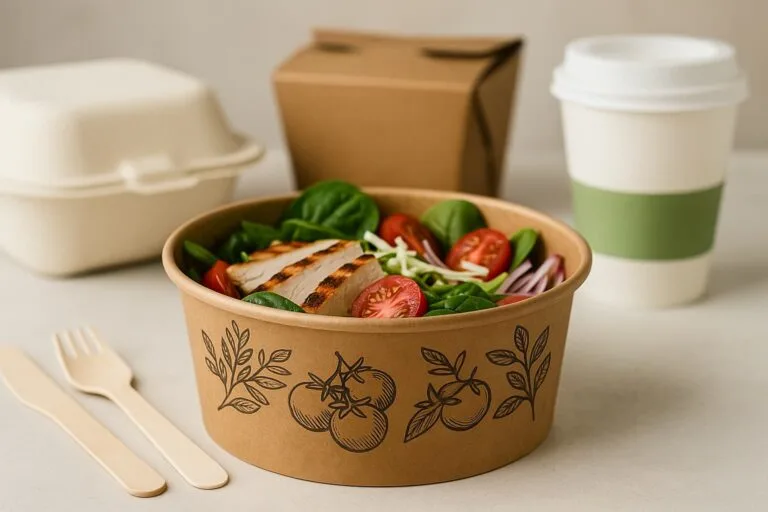
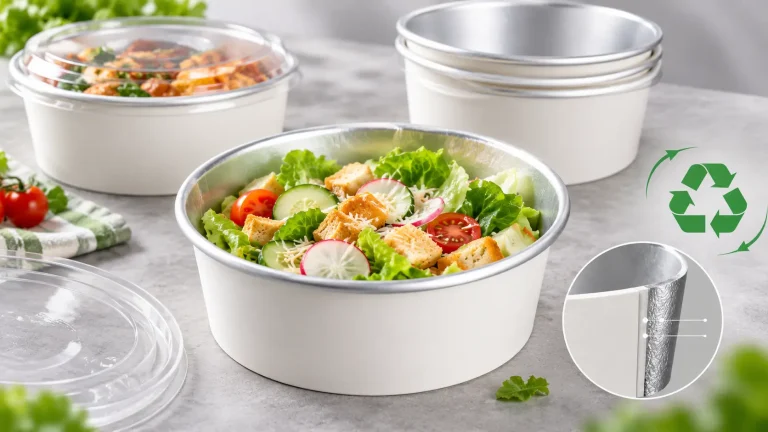
Renewable Resource: Since sugarcane is harvested and grown repeatedly, the containers become eco-friendly, and more products can be produced using bagasse fiber. This approach in a holistic way starts reducing waste entirely — kraft paper salad bowl with lid. Decomposable & Environment Friendly: Because of the usage of bagasse containers eliminate the need for plastic and styrofoam bowls. This approach further helps eliminate waste from dumping/filling grounds and further helps the environment while everything decomposes into compost materials.
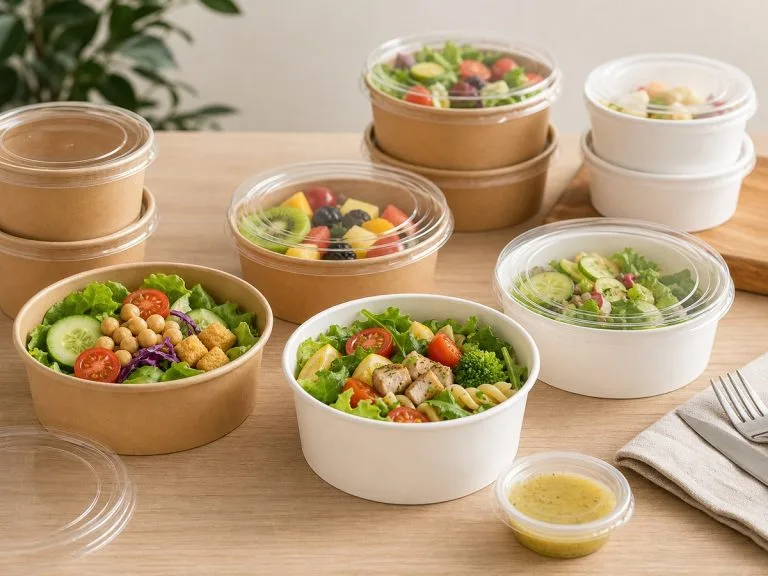
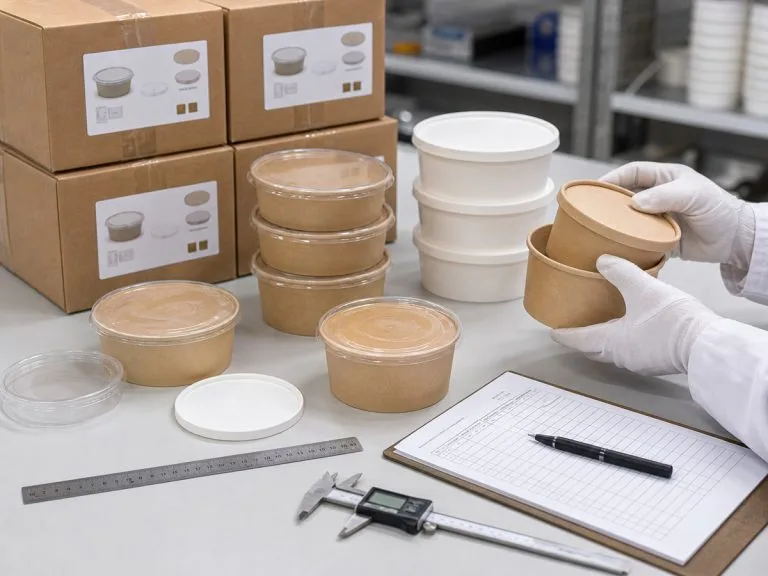
The matching lid helps protect food during short-distance transport. It is a dependable option for restaurants and cloud kitchens that need cleaner presentation and better takeaway functionality.
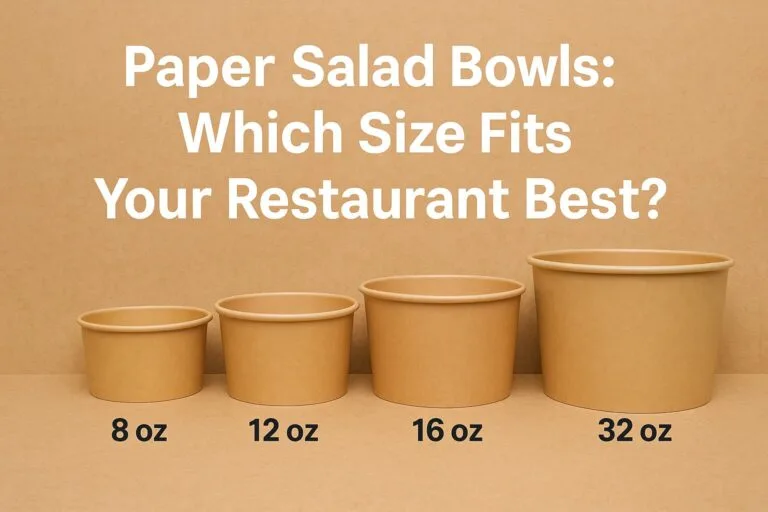
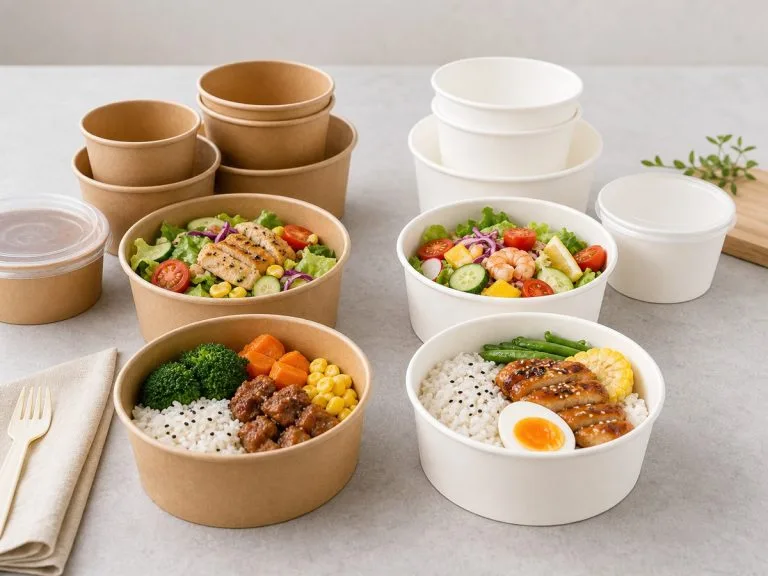
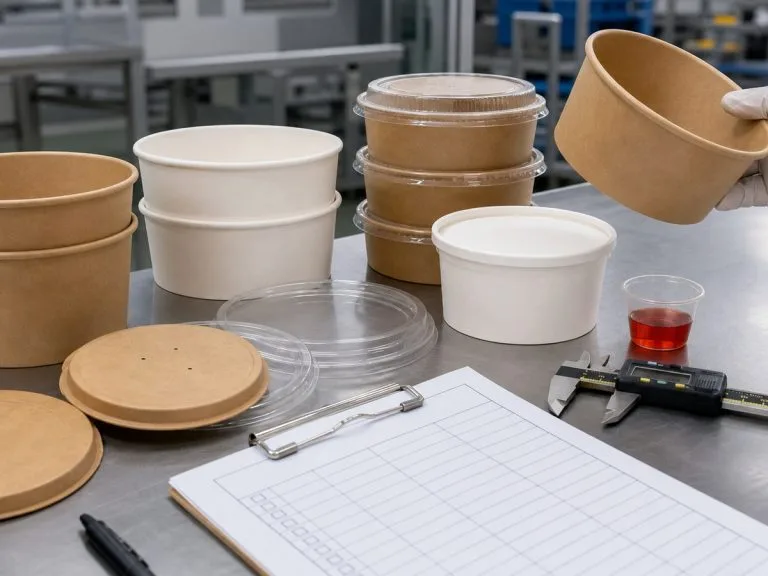
The most common sizes are 12oz and 16oz — kraft paper salad bowl with lid. They balance portion size, portability, and customer satisfaction, making them widely used in restaurants and takeout services.
Customers equate container size with value. A study by Wansink & van Ittersum (Journal of Consumer Research, 2013) shows that larger bowls can distort perception of portion size, leading customers to feel unsatisfied if the bowl looks under-filled , kraft paper salad bowl with lid. Smaller bowls, conversely, risk frustrating customers with limited capacity. Finding the right balance directly impacts customer loyalty, repeat orders, and brand reputation.
Join the global movement toward zero-waste packaging.
Bioleader® offers:
📦 Bulk order support & fast delivery
✍️ Custom branding and OEM solutions
🌍 Worldwide eco-packaging compliance
Get the Catalogue Products List & Contact Us Now! 👉
📧 Email : [email protected]
📲 WhatsApp : +86-15980856610
🟢 Wechat : bioleader
📍 Add : No.39 Xinglong Road, Xiamen, China
Copyright © 2015–2026 Xiamen Bioleader Environmental Protection Co., Ltd | All Rights Reserved. Privacy Policy | AI Policy | Sitemap
Welcome to Bioleader Pack! 🌿
👉 Get a Quick Quote, Customized & Sample Details. We're online to help with your sourcing needs!
📩 Need Catalog & Price List? Email us: [email protected]
⏰ Response within 6-12 hours.
(Due to timezone differences, if we're away, please email us or leave a message.)
Response time: < 8h | Catalog List
WhatsApp us