Heat-resistant Kraft Bowls: Material Guide For Businesses | Bioleader® Guide

Browse articles grouped under the "Heat-resistant kraft bowls" tag for topic-specific information and examples. The featured articles may approach the topic from different product, material, application, market, or sourcing perspectives. Check each article for its exact scope, technical data, standards, sources, and recommendations.
Heat-resistant kraft bowls — Content Overview
  • Featured articles shown: 12
  • Directly tagged articles: 1
  • Latest tagged article update: 2026-03-23
  • Coverage, examples, and specific recommendations vary by individual article.

Editor's Picks: Top Heat-resistant Kraft Bowls Guides 2026

FAQ of Bioleader's Eco-friendly Disposable Tableware

Do the lids fit tightly?

Yes, The lids can be placed firmly on the containers ensuring no spillage while carrying or dragging around , Heat-resistant kraft bowls.

What sizes are available for these biodegradable bowls?

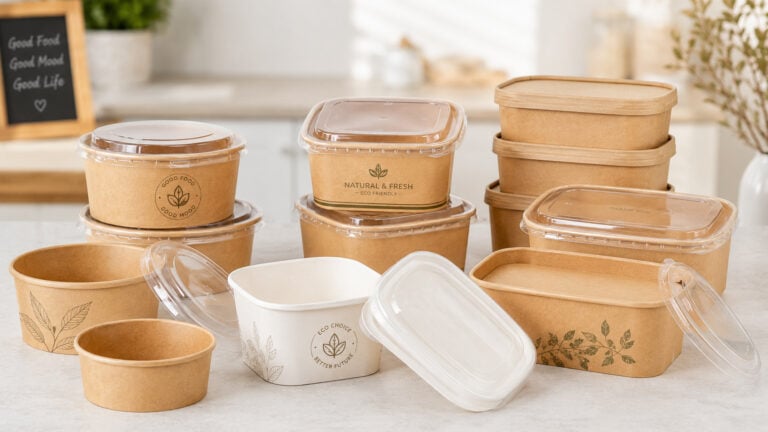
Our bowls come in multiple sizes, ranging from 500ml to 1500ml (approximately 8oz to 48oz), offering flexibility for different portion needs.

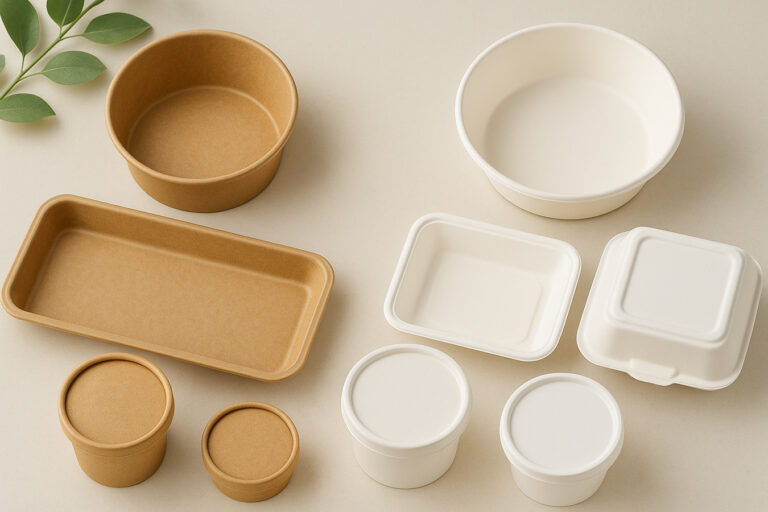
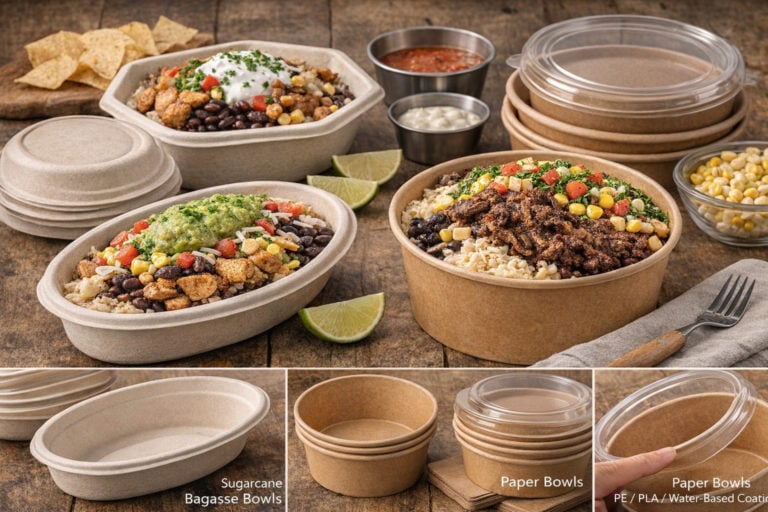
Material: Kraft Paper and White Cardboard Paper

Our eco-friendly disposable bowls contain primarily 2 materials that are used to make the bowls that are kraft paper and white cardboard paper , Heat-resistant kraft bowls. Both of the materials are durable and environmentally friendly. Kraft paper has a coarse natural appearance while white cardboard paper has a smooth, sleek surface. All of these materials are biodegradable which ensures compliance with the highest environmental requirements in product manufacture , Heat-resistant kraft bowls.

1. High-Temperature Performance

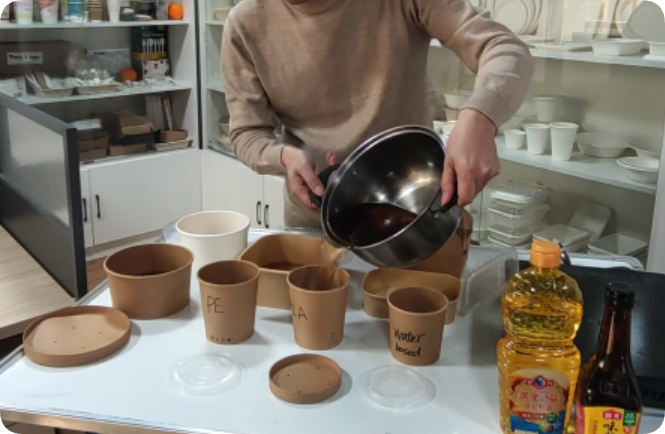
Kraft Soup Bowl 12oz (Water-Based Coating): This bowl performed reasonably well under high temperatures. It showed slight softening around the edges but retained its overall shape. There was no leakage or significant deformation during the test. Key Observation: The water-based coating provided decent resistance to high temperatures but allowed for slight softening.

Testing Environment:

We simulated real-world conditions using: 5000ml of boiling water (100°C) 100ml oil 100ml soy sauce This mixture created a high-temperature, oily, and watery environment typical in foodservice applications (e.g., soups, sauces, and fried foods).

Related Insights

🚀Ready to Go Green and Choose ?

Join the global movement toward zero-waste packaging.


Bioleader® offers:

  • 📦 Bulk order support & fast delivery

  • ✍️ Custom branding and OEM solutions

  • 🌍 Worldwide eco-packaging compliance

Get the Catalogue Products List  & Contact Us Now! 👉

Contact Us for Quote

Click or drag files to this area to upload.You can upload up to 5 files.
The more details you share, the faster and more accurate our quotation will be.