FAQ of Bioleader's Eco-friendly Disposable Tableware
Can individually wrapped plastic cutlery be customized?
Yes, many manufacturers offer custom wrapping designs and logo printing, helping businesses enhance their branding and provide a professional image to customers.
1. Bioleader® CPLA Fork Spoon Knife—(7 inch): Embossed “Compostable” Logo
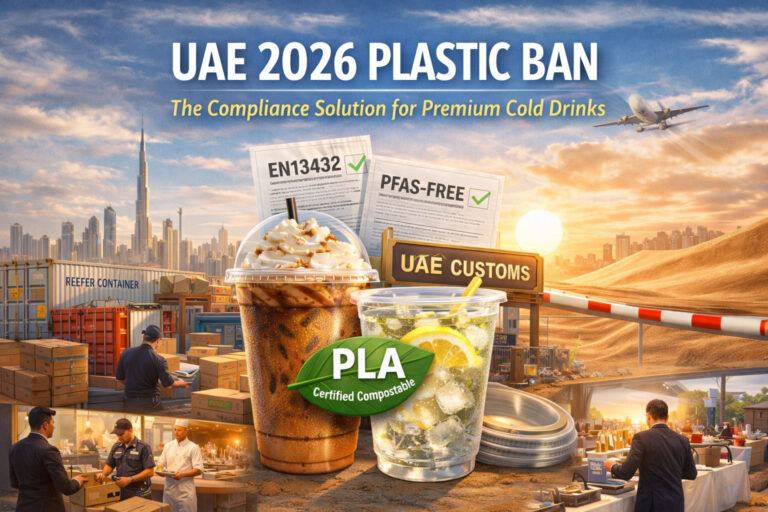
Item Name / Material Weight Size(mm) PCS/CTN Carton Size(cm) CPLA-02 CPLA Fork 4.8g 7inch/ 170mm 1000 44 18 23.5 CPLA-03 CPLA Spoon 4.9g 7inch/ 170mm 1000 34.5 19 19 CPLA-01 CPLA Knife 5g 7inch/ 180mm 1000 47.5 18 22.5 About CPLA : CPLA (Crystallized Polylactic Acid) represents a derivative of PLA (Polylactic Acid), of which bioplastics can be obtained from easily renewable resources like corn starch or sugarcane — EN13432 certified bowl. Due to the crystallization process in CPLA, the material’s toughness and heat resistance are increased, allowing this bioplastic to be used for high-temperature applications such as cutlery; otherwise, the regular PLA would soften or deform. Biodegradable and Compostable BPI Certified Eco-Friendly CPLA Utensils : CPLA cutlery is made from plant-based resources like corn starch, BPI-certified 100% industrial-compostable in 90 days, and can break down entirely in industrial composting facilities. Each of our Non-plastic fork, spoon, and knife has “compostable” embossed on it , EN13432 certified bowl.
Is BPI compostable cutlery suitable for hot foods?
Yes, BPI compostable cutlery is designed for strength and durability, making it suitable for use with both hot and cold foods in restaurants, catering, and events.
Common Features:
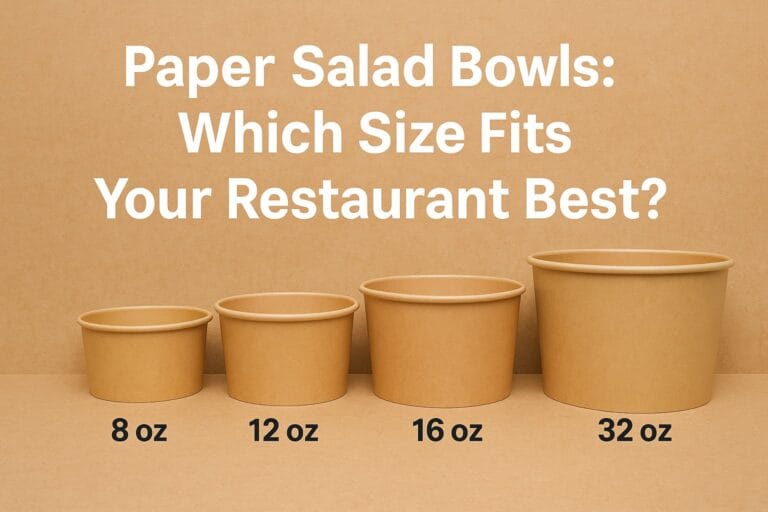
Food-grade and leak-resistant Custom-printable with soy or water-based inks Available with flat or dome lids (PLA, PET, or kraft paper) Certifications: FSC, EN13432, BPI, OK Compost Industrial/Home Popular Uses: Salads, grain bowls, curries, noodles, soups, frozen meals The rapid adoption of kraft paper bowls is not just an eco-friendly gesture—it aligns directly with regulations and consumer sentiment worldwide. Kraft Paper Soup Containers with Lid What Are Plastic Bowls Made Of? Plastic bowls are typically made from one of the following petroleum-derived polymers: Plastic Type Description Use Case Environmental Concern PET Lightweight, clear plastic Cold food, salads Difficult to recycle when food-soiled PP Durable, microwave-safe Hot dishes, soups Non-compostable, fossil-fuel based PS / EPS Rigid or foam polystyrene Disposable bowls (low-cost) Widely banned due to toxic leachability rPET / rPP Recycled versions Limited use due to safety Traceability, food safety often unclear Plastic bowls are not compostable or biodegradable. Most end up in landfills or incinerators, contributing to microplastic pollution, GHG emissions, and marine ecosystem damage , EN13432 certified bowl.
1. Raw Material Sourcing
Kraft Paper: Made from trees harvested from responsibly managed forests (FSC-certified) or recycled fiber streams. Trees absorb carbon dioxide during growth, contributing to a net-zero or even net-negative carbon footprint when sustainably sourced. Plastic: Derived from fossil fuels. Oil drilling, refining, and monomer production emit high levels of GHGs, and the extraction process disrupts land and aquatic ecosystems.