The 2025 Buyer’s Guide To Dinnerware Material Comparison | Bioleader® Sustainable Packaging

Actionable coverage of Dinnerware Material Comparison: eco-friendly, biodegradable, compostable materials, performance data, and compliance under EN13432 & ASTM D6400. Includes BPI/TÜV references and Food-Contact Tested guidance for safe deployment. Buyer-focused: manufacturer insights, bulk/wholesale buying playbooks, OEM/ODM customization tips, full size range selection.

Have you ever experienced the frustration of cracking or shattering plates when placing them in the oven? Surprisingly, research indicates that only about 20% of plates labeled “oven safe” reliably withstand oven temperatures. If you frequently cook, bake, or warm dishes, using genuinely oven safe plates can significantly enhance your kitchen experience, ensuring both safety and durability. This article explores which plates truly pass the oven-safe test, highlights various plate materials, provides expert insights, scientific data, and practical case studies, and addresses common questions about oven-safe plates.

Dinnerware Material Comparison — Quick Summary
  • Items displayed (articles): 12
  • Last updated: 2025-04-09
  • Includes test data, compliance guides, buyer FAQs, and real-world use cases.

Editor’s Picks: Top Dinnerware Material Comparison Guides 2026

FAQ of Bioleader's Eco-friendly Disposable Tableware

2. Are trays with lids suitable for both hot and cold meals?

Yes. High-quality eco trays are heat-resistant up to 120°C and freezer-safe. They’re ideal for packing hot dishes like rice and curries or cold items like salads, desserts, and refrigerated meals — Dinnerware Material Comparison.

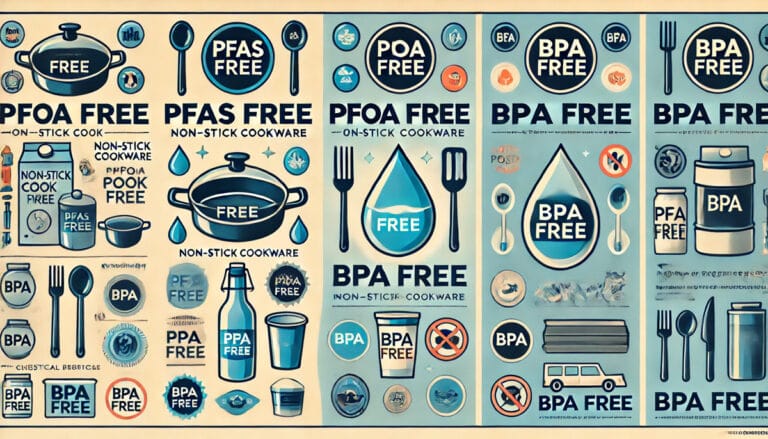
Ensure safety with products that are free of PFAS and BPA

Health comes first. Safety is further guaranteed when you’ve got our trays with lids that don’t have PFAS and BPA in them, two neatly packed chemicals that bring peace to the consumer as they do not have any synthetic materials that pose health risks. So, you know that our products are safe and clean when it comes to packaging and using them.

Waterproof, Oil-Resistant, and Durable

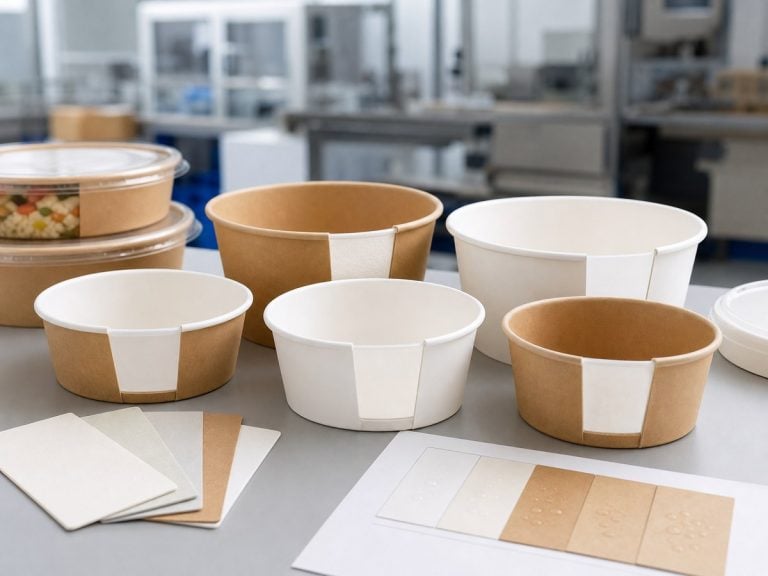
Bagasse trays are designed to handle a range of food types, including greasy and moist dishes. Their waterproof and oil-resistant properties prevent leaks, making them a reliable choice for takeaway meals. The durable and reliable construction ensures that food remains intact during transportation and storage, enhancing the overall customer experience. Versatile Usage

4. Plastic Plates

Oven Safe: ❌ Details: Plastic plates are never safe for conventional ovens — Dinnerware Material Comparison. They melt, deform, or emit toxic fumes even under low oven temperatures , Dinnerware Material Comparison. Risk: Releases dangerous chemicals (e.g., BPA) and may cause fire hazards.

1. Ceramic Plates (Including Stoneware and Porcelain)

Oven Safe: ✅ With conditions Typical Safe Temperature: Up to 450–500°F (232–260°C) Details: Most ceramic plates, including porcelain and stoneware, are considered oven-safe plates as long as they are marked as such by the manufacturer. These materials handle gradual temperature increases well. Risk: Thermal shock (cracking when placed into a hot oven from the fridge), and some decorative glazes may contain materials that degrade under heat.

Related Insights

🚀Ready to Go Green and Choose ?

Join the global movement toward zero-waste packaging.


Bioleader® offers:

  • 📦 Bulk order support & fast delivery

  • ✍️ Custom branding and OEM solutions

  • 🌍 Worldwide eco-packaging compliance

Get the Catalogue Products List  & Contact Us Now! 👉

Contact us Below

Click or drag files to this area to upload.You can upload up to 5 files.
The more details you share, the faster and more accurate our quotation will be.